

UV/Ozone Integrated Treatment System
UV/Ozone Integrated Treatment System — helps with full pathogen reduction.
- Solves
- Full pathogen reduction
- Best for
- Fish farms, koi breeders
- Price range
- $10–$5000
Recommended for these conditions
At commercial density, a single missed parameter can cost an entire crop. UV/Ozone Integrated Treatment System is built for biosecurity at scale.
This is one of the few tools that earns its place in every tank, pond, or grow-out system. It targets full pathogen reduction, which sits upstream of nearly every disease we document — fix it here and you prevent problems before they ever show symptoms.
How to use it well
Combined unit for high-throughput pathogen control in intake water. Treat it as part of a protocol rather than a magic bullet — it works best alongside good husbandry and the medications matched to your specific diagnosis.
Conditions it helps with
Because it works at the water-quality and biosecurity level, you’ll see this item recommended across the full disease library — from parasites and bacterial infections to the viral conditions that have no direct cure and can only be managed through environment control.
Who it’s for
Best suited to fish farms, koi breeders. Typical units run in the $500–$5000 range, depending on capacity and features. Use the inquiry form below to ask about a specific model, request a recommendation for your system size, or get notified when stock and pricing are confirmed.
Care & Usage Tips
System Design & Safety
- Sequence UV after ozone — never the reverse
Residual ozone passing through a UV chamber decomposes into reactive oxygen species at accelerated rates under UV irradiation, producing hydroxyl radicals that can damage the UV lamp housing and seals. The correct sequence is: raw water → ozone contact chamber → carbon removal → UV sterilizer → fish. - Design the ozone contact chamber for 4–6 minutes minimum contact time
Ozone disinfection efficiency (CT value) is the product of concentration × time. A 0.2 ppm ozone dose requires at least 4–6 minutes of contact time to achieve 4-log (99.99%) reduction of most fish pathogens. Undersized contact chambers reduce efficacy regardless of ozone dose. - Install an ozone residual analyzer on the outlet — not just the inlet
Measuring ozone at the injection point tells you what’s going in. Measuring residual at the chamber outlet tells you what treatment the water is actually receiving. Install an inline ozone residual analyzer on the outlet line for accurate CT calculation. - Maintain an activated carbon safety barrier between the system and fish
Even a correctly sized and maintained combined UV/ozone system can produce occasional ozone residuals above safe fish exposure limits during peak dose cycles. A carbon barrier (30-second contact time minimum) on the outlet is a mandatory safety component, not an optional addition. - Document a system qualification report before treating incoming water for stock
A qualification report confirms that the combined system achieves the target pathogen reduction at your maximum design flow rate. This documentation is required for most aquaculture regulatory bodies and is essential for insurance and liability purposes.
Performance & Maintenance
- Replace UV lamps and ozone cell on the same service schedule
Maintaining one component and not the other creates false confidence. A fresh ozone cell paired with an aged UV lamp degrades overall treatment efficacy in ways that aren’t immediately apparent. Replace both components at the manufacturer’s service interval and document the date. - Test effluent water with indicator organisms quarterly
Challenge testing with Vibrio or E. coli indicator organisms (or commissioned microbiological testing of effluent water) is the only reliable proof that the combined system is delivering its rated efficacy. Laboratory culture testing of a 500 mL effluent sample quarterly costs $30–80 and provides unequivocal performance data. - Inspect the ozone injection Venturi monthly for scaling and erosion
Ozone in contact with water at the Venturi injection point creates a highly oxidizing environment that erodes standard metals rapidly. Inspect the Venturi body and ceramic injector insert monthly and replace at the first sign of erosion or scaling buildup. - Maintain the system flow rate within ±10% of design specification
Both UV dose and ozone CT are calibrated to a specific flow rate. A 20% increase in flow reduces UV dose by 20% and ozone CT by 20% simultaneously — a 40% reduction in combined treatment efficacy. Install a flow meter on the inlet and monitor monthly. - Keep a paper emergency operating procedure at the system
An emergency shutdown of a combined UV/ozone system requires specific sequencing to prevent ozone off-gassing and UV lamp dry-run damage. Post a laminated procedure card at the system with the correct shutdown sequence. Never reverse the order.
Frequently asked questions
What does UV/Ozone Integrated Treatment System do?
The UV/Ozone Integrated Treatment System helps control full pathogen reduction — common triggers behind fish disease.
What conditions does UV/Ozone Integrated Treatment System help with?
UV/Ozone Integrated Treatment System applies across the whole disease library — from parasites and bacterial infections to the viral conditions that can only be managed through clean, stable water.
Who is UV/Ozone Integrated Treatment System for?
UV/Ozone Integrated Treatment System is a good fit for fish farms, koi breeders. It works for both prevention and active treatment.
How much does UV/Ozone Integrated Treatment System cost?
UV/Ozone Integrated Treatment System typically costs in the $10–$5000 range, depending on capacity, build quality, and features. Use the inquiry form on this page for a recommendation and current pricing.
How do you use UV/Ozone Integrated Treatment System?
Combined unit for high-throughput pathogen control in intake water. Treat it as part of a protocol rather than a magic bullet — it works best alongside good husbandry and the medications matched to your specific diagnosis.
What are the signs of UV/Ozone Integrated Treatment System?
Sequence UV after ozone — never the reverseResidual ozone passing through a UV chamber decomposes into reactive oxygen species at accelerated rates under UV irradiation, producing hydroxyl radicals that can damage the UV lamp housing and seals. The correct sequence is: raw water → ozone contact chamber → carbon removal → UV sterilizer → fish.
Inquiry form
Request info on this equipment
Ask about a specific model, request a recommendation for your system size, or get notified on pricing and availability.
Related equipment

Aquaculture
Recirculating Aquaculture System (RAS)
Large-scale disease management
from $5000+
View details →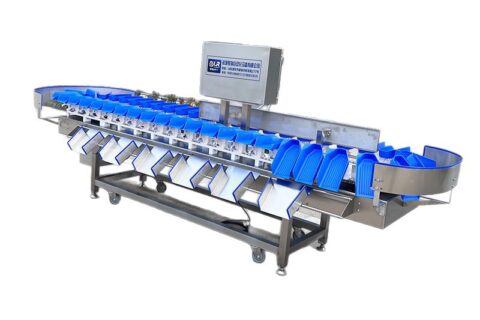
Aquaculture
Fish Grader / Sorter
Overcrowding stress and size-based aggression causing wounds
from $2000–$6000
View details →
Aquaculture
Pond Aeration System
Dissolved oxygen management in large outdoor systems
from $200–$2000
View details →