
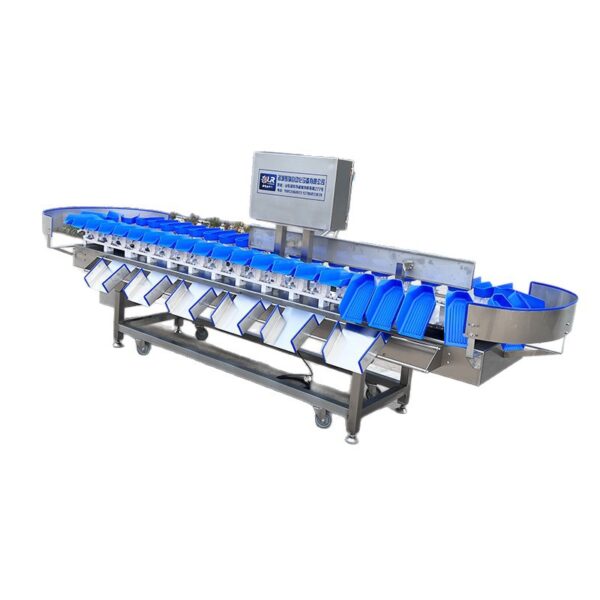
Fish Grader / Sorter
Fish Grader / Sorter — helps with overcrowding stress and size-based aggression causing wounds.
- Solves
- Overcrowding stress and size-based aggression causing wounds
- Best for
- Commercial fish farms, koi breeders
- Price range
- $2000–$6000
At commercial density, a single missed parameter can cost an entire crop. Fish Grader / Sorter is built for biosecurity at scale.
Where it really pays for itself is overcrowding stress and size-based aggression causing wounds. That is the exact failure point behind several of the conditions in our library, so addressing it directly shortens treatment time and cuts re-infection.
How to use it well
Proper sizing reduces wound-entry disease risk. Treat it as part of a protocol rather than a magic bullet — it works best alongside good husbandry and the medications matched to your specific diagnosis.
Conditions it helps with
On our disease pages you’ll see this equipment recommended for conditions such as:
- Reduces density
- Aeromonas
- EUS
Who it’s for
Best suited to commercial fish farms, koi breeders. Typical units run in the $200–$3000 range, depending on capacity and features. Use the inquiry form below to ask about a specific model, request a recommendation for your system size, or get notified when stock and pricing are confirmed.
Care & Usage Tips
Setup & Pre-Grading Protocol
- Pre-grade fish on an empty stomach — withhold feed for 24–48 hours
Fish with full digestive tracts regurgitate during sorting, increasing waste loading in holding water and elevating ammonia to acute levels. Withholding feed for 24–48 hours before grading dramatically reduces stress-related mortality and keeps grading water cleaner for longer runs. - Maintain grading water temperature within 2°F of rearing tank temperature
Temperature shock during grading compounds handling stress and can cause immune suppression lasting 2–7 days after the event. Use a chiller or heater in the grading table water supply to match rearing temperature throughout the operation. - Grade at maximum DO — supplement with pure oxygen during long grading sessions
Densely loaded grading tables can drop DO from saturation to 4 mg/L within 15–20 minutes of loading. Connect an oxygen supply to the grading table water and set flow to maintain >7 mg/L DO throughout. Measure DO every 15 minutes during extended grading. - Clean and disinfect grader bars or grates between size classes
A grader used for small fish passes parasites and pathogens on the wet bars to the next size class unless disinfected. Rinse bars with a 200 ppm sodium hypochlorite solution and allow to dry briefly between each size class, especially if fish are coming from different origin tanks. - Grade during the coolest part of the day in summer operations
Oxygen solubility decreases dramatically at high temperatures — at 86°F (30°C), water holds 40% less dissolved oxygen than at 59°F (15°C). Grade at dawn or in the evening during peak summer to maintain adequate DO in grading water.
Animal Welfare & Sanitation
- Limit total handling time to less than 30 seconds of air exposure per fish
Fish exposed to air for more than 30 seconds suffer gill damage from desiccation that takes 2–5 days to repair fully. During this recovery period, fish are highly susceptible to Columnaris and secondary bacterial infections. Minimize air exposure regardless of equipment speed. - Observe post-grading behavior for 24 hours and monitor ammonia
Grading stress causes cortisol release that suppresses immune function and temporarily increases mucus production, both of which load ammonia in holding tanks. Monitor ammonia every 4–6 hours for the 24 hours following any major grading operation. - Disinfect all grading equipment between facilities — never share without treatment
Graders, crowding boards, and nets are high-risk vectors for inter-facility disease transmission. Treat all equipment with a minimum 200 ppm sodium hypochlorite solution (30-minute contact time) or 3% Virkon Aquatic before any equipment leaves or arrives at your facility. - Inspect fish for external lesions and parasites during each grading event
Grading provides a rare opportunity for close visual inspection of your entire stock. Train staff to identify Anchor Worm attachment points, ulcer lesions, fin erosion, and abnormal pigmentation. Record observations and quarantine suspicious individuals for veterinary evaluation. - Lubricate and inspect mechanical components before every use session
Grader drives, bars, and frames are subject to constant water, waste, and disinfectant exposure. Check all rotating shafts, drive belts, and bar alignment before each use. A jammed grader in the middle of a high-density operation creates animal welfare emergencies. Keep a spare drive belt and shear pins on site.
Frequently asked questions
What does Fish Grader / Sorter do?
The Fish Grader / Sorter helps control overcrowding stress and size-based aggression causing wounds — common triggers behind fish disease.
What conditions does Fish Grader / Sorter help with?
Fish Grader / Sorter is recommended for conditions such as Reduces density-related stress diseases: Columnaris, Aeromonas, and EUS. Each linked disease page lists the full set of gear that helps.
Who is Fish Grader / Sorter for?
Fish Grader / Sorter is a good fit for commercial fish farms, koi breeders. It works for both prevention and active treatment.
How much does Fish Grader / Sorter cost?
Fish Grader / Sorter typically costs in the $2000–$6000 range, depending on capacity, build quality, and features. Use the inquiry form on this page for a recommendation and current pricing.
How do you use Fish Grader / Sorter?
Proper sizing reduces wound-entry disease risk. Treat it as part of a protocol rather than a magic bullet — it works best alongside good husbandry and the medications matched to your specific diagnosis.
What should you know about Animal Welfare & Sanitation?
Limit total handling time to less than 30 seconds of air exposure per fishFish exposed to air for more than 30 seconds suffer gill damage from desiccation that takes 2–5 days to repair fully. During this recovery period, fish are highly susceptible to Columnaris and secondary bacterial infections. Minimize air exposure regardless of equipment speed.
Inquiry form
Request info on this equipment
Ask about a specific model, request a recommendation for your system size, or get notified on pricing and availability.
Related equipment

Aquaculture
Recirculating Aquaculture System (RAS)
Large-scale disease management
from $5000+
View details →
Aquaculture
UV/Ozone Integrated Treatment System
Full pathogen reduction
from $10–$5000
View details →
Aquaculture
Pond Aeration System
Dissolved oxygen management in large outdoor systems
from $200–$2000
View details →