
Recirculating Aquaculture System (RAS)
Recirculating Aquaculture System (RAS) — helps with large-scale disease management.
- Solves
- Large-scale disease management
- Best for
- Commercial fish farms
- Price range
- $5000+
Recommended for these conditions
At commercial density, a single missed parameter can cost an entire crop. Recirculating Aquaculture System (RAS) is built for biosecurity at scale.
This is one of the few tools that earns its place in every tank, pond, or grow-out system. It targets large-scale disease management, which sits upstream of nearly every disease we document — fix it here and you prevent problems before they ever show symptoms.
How to use it well
Closed system; biosecurity critical; UV + ozone + biofilter combined. Treat it as part of a protocol rather than a magic bullet — it works best alongside good husbandry and the medications matched to your specific diagnosis.
Conditions it helps with
On our disease pages you’ll see this equipment recommended for conditions such as:
- ISA
- VHS
- ESC
Who it’s for
Best suited to commercial fish farms. Typical units run in the $5000+ range, depending on capacity and features. Use the inquiry form below to ask about a specific model, request a recommendation for your system size, or get notified when stock and pricing are confirmed.
Care & Usage Tips
System Commissioning
- Run a full 6-week nitrogen cycle before introducing any livestock
A RAS biofilter must establish a full nitrification colony before commercial stocking. Dose with pure ammonia to 2–4 ppm and cycle until ammonia and nitrite both reach zero within 24 hours of each dose. Rushing this step is the single most common cause of catastrophic ammonia crashes in new RAS operations. - Commission all life-support systems in redundancy pairs before stocking
Every critical system — oxygen delivery, biological filtration, water heating/cooling, UV — should have a backup ready to activate within minutes. Commission and test backup systems before the primary systems are running livestock. A single-point failure in a commercial RAS can mean total stock loss within hours. - Set water exchange rates based on TAN load, not convention
A common default of 5–15% daily water exchange is insufficient for high-density systems and excessive for low-density ones. Calculate your TAN production from feed rate × protein content × conversion factor and set exchange to maintain TAN below 1.5 mg/L at your stocking density. - Establish a strict incoming stock quarantine protocol — 30 days minimum
Every disease introduction into a RAS system is an introduced fish. A 30-day quarantine in a biosecure facility with independent water supply and waste treatment is the minimum standard for any commercial operation. (Ref: World Organisation for Animal Health, Aquatic Animal Health Code, Chapter 4) - Document all system parameters from Day 1 in a physical logbook
Digital logging systems fail. A physical paper logbook for daily ammonia, nitrite, pH, DO, temperature, feed rate, and mortality is irreplaceable as a regulatory, insurance, and diagnostic record. Digital systems are supplementary, not primary.
Biosecurity & Critical Monitoring
- Monitor pre-dawn DO as your primary daily risk indicator
Dissolved oxygen in a RAS reaches its daily minimum at pre-dawn (typically 4–6 AM), when respiration load from fish and bacteria is highest and photosynthesis has stopped. The pre-dawn DO reading is your most reliable indicator of system oxygen stress. Log it daily without exception. - Never perform major maintenance on multiple subsystems simultaneously
Cleaning the drum filter on the same day as backwashing the biofilter and servicing the UV sterilizer simultaneously destabilizes the entire system. Stagger all major maintenance tasks by 3–5 days minimum to allow the system to restabilize between disturbances. - Train all staff on emergency response procedures and post them prominently
High-mortality emergencies in RAS systems typically develop within 2–4 hours of initial system failure. Every person with access to the facility must know the three-step emergency response: (1) identify failing system, (2) activate backup, (3) initiate emergency aeration. - Test your biosecurity barriers — don’t assume they work
Biosecurity measures (footbaths, vehicle disinfection, dedicated clothing, visitor protocols) are only effective if they’re functional and actually used. Conduct monthly audits of all biosecurity barriers and make corrections before an outbreak tests them under pressure. - Maintain a minimum 30-day supply of critical consumables on site
Supply chain disruption for drum filter screens, UV bulbs, oxygen, and biofilter media during a disease event or system crisis compounds the emergency. Maintain a 30-day reserve inventory of all items with lead times longer than 24 hours.
Frequently asked questions
What does Recirculating Aquaculture System (RAS) do?
The Recirculating Aquaculture System (RAS) helps control large-scale disease management — common triggers behind fish disease.
What conditions does Recirculating Aquaculture System (RAS) help with?
Recirculating Aquaculture System (RAS) applies across the whole disease library — from parasites and bacterial infections to the viral conditions that can only be managed through clean, stable water.
Who is Recirculating Aquaculture System (RAS) for?
Recirculating Aquaculture System (RAS) is a good fit for commercial fish farms. It works for both prevention and active treatment.
How much does Recirculating Aquaculture System (RAS) cost?
Recirculating Aquaculture System (RAS) typically costs in the $5000+ range, depending on capacity, build quality, and features. Use the inquiry form on this page for a recommendation and current pricing.
How do you use Recirculating Aquaculture System (RAS)?
Closed system; biosecurity critical; UV + ozone + biofilter combined. Treat it as part of a protocol rather than a magic bullet — it works best alongside good husbandry and the medications matched to your specific diagnosis.
What should you know about System Commissioning?
Run a full 6-week nitrogen cycle before introducing any livestockA RAS biofilter must establish a full nitrification colony before commercial stocking. Dose with pure ammonia to 2–4 ppm and cycle until ammonia and nitrite both reach zero within 24 hours of each dose.
Inquiry form
Request info on this equipment
Ask about a specific model, request a recommendation for your system size, or get notified on pricing and availability.
Related equipment

Aquaculture
UV/Ozone Integrated Treatment System
Full pathogen reduction
from $10–$5000
View details →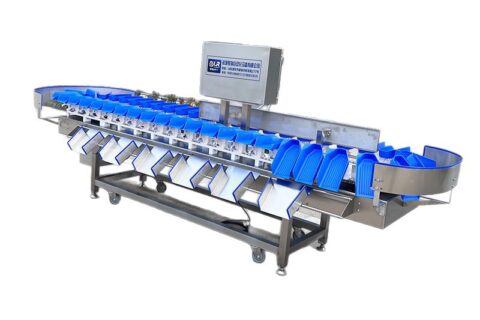
Aquaculture
Fish Grader / Sorter
Overcrowding stress and size-based aggression causing wounds
from $2000–$6000
View details →
Aquaculture
Pond Aeration System
Dissolved oxygen management in large outdoor systems
from $200–$2000
View details →