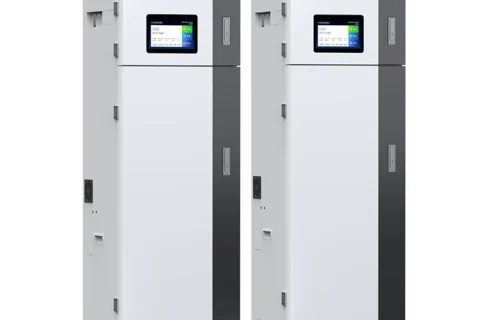

Nitrite / Nitrate Test Kit
Nitrite / Nitrate Test Kit — helps with nitrogen cycle imbalance, chronic stress.
- Solves
- Nitrogen cycle imbalance, chronic stress
- Best for
- All aquarium users
- Price range
- $200–$500
Recommended for these conditions
Roughly nine out of ten disease calls trace back to a water-quality slip you could have caught early. Nitrite / Nitrate Test Kit turns invisible problems into a number you can act on.
Where it really pays for itself is nitrogen cycle imbalance, chronic stress. That is the exact failure point behind several of the conditions in our library, so addressing it directly shortens treatment time and cuts re-infection.
How to use it well
High nitrite/nitrate weakens immune system; essential baseline test. Treat it as part of a protocol rather than a magic bullet — it works best alongside good husbandry and the medications matched to your specific diagnosis.
Conditions it helps with
On our disease pages you’ll see this equipment recommended for conditions such as:
- Fin Rot
- Dropsy
- Columnaris
Who it’s for
Best suited to all aquarium users. Typical units run in the $10–$50 range, depending on capacity and features. Use the inquiry form below to ask about a specific model, request a recommendation for your system size, or get notified when stock and pricing are confirmed.
Care & Usage Tips
Testing Protocol
- Test nitrite during every new tank cycle — it spikes before ammonia clears
During the nitrogen cycle, Nitrosomonas bacteria convert ammonia to nitrite, but Nitrobacter bacteria lag behind. This creates a nitrite spike that can persist for 1–3 weeks after ammonia has dropped to zero. Nitrite at 1 ppm or above is acutely toxic to most fish. - Shake both reagent bottles for 30 seconds before use
Nitrite test reagents can settle or partially crystallize in storage. Inadequate mixing before use produces false low readings. Shake vigorously for at least 30 seconds per bottle before dispensing. - Time the color development exactly as the kit specifies
The diazotization reaction is time-sensitive. Reading too early underestimates nitrite; reading after the specified time can overestimate. Use a timer for every test. - For marine tanks, use a kit formulated for saltwater
Chloride in seawater interferes with many standard nitrite tests. Confirm that your test kit is rated for marine or brackish systems; otherwise, use the Griess reagent method, which is less susceptible to chloride interference. - Test nitrate separately — the test chemistry is different from nitrite
Nitrate tests require an extra reduction step before colorimetric detection. Follow each kit’s protocol exactly and don’t apply the nitrite procedure to a nitrate test tube.
Interpretation & Maintenance
- Acceptable ranges: nitrite 0 ppm; nitrate < 20 ppm freshwater, < 5 ppm reef
Any detectable nitrite in an established tank signals biological filter stress. Chronic nitrate exposure above 40 ppm suppresses immune function and stresses reef invertebrates at much lower levels. - Store reagents below 77°F (25°C) away from light
Nitrite and nitrate reagents degrade rapidly when stored in warm or brightly lit conditions. A kitchen cabinet or drawer away from the aquarium light is better than the shelf above the tank. - Replace reagents every 12 months regardless of volume remaining
Expired reagents produce systematically false-low readings for nitrate, giving false confidence. Discard and replace all reagents at the 12-month mark even if bottles are still half-full. - Respond to detectable nitrite with a 30% water change and biological filter audit
Nitrite in an established tank means your biological filtration is failing. Common causes: medication that killed nitrifying bacteria, overfeeding, dead livestock, or filter media cleaned in chlorinated water. - Use nitrate readings to set your water change schedule
Rather than changing water on a fixed schedule, test nitrate weekly and change water when levels reach 15–20 ppm (freshwater) or 5 ppm (reef). This customizes your maintenance schedule to your actual bioload.
Frequently asked questions
What does Nitrite / Nitrate Test Kit do?
The Nitrite / Nitrate Test Kit helps control nitrogen cycle imbalance, chronic stress — common triggers behind fish disease.
What conditions does Nitrite / Nitrate Test Kit help with?
Nitrite / Nitrate Test Kit is recommended for conditions such as Cloudy Eye, Dropsy, and Fin and Tail Rot. Each linked disease page lists the full set of gear that helps.
Who is Nitrite / Nitrate Test Kit for?
Nitrite / Nitrate Test Kit is a good fit for all aquarium users. It works for both prevention and active treatment.
How much does Nitrite / Nitrate Test Kit cost?
Nitrite / Nitrate Test Kit typically costs in the $200–$500 range, depending on capacity, build quality, and features. Use the inquiry form on this page for a recommendation and current pricing.
How do you use Nitrite / Nitrate Test Kit?
High nitrite/nitrate weakens immune system; essential baseline test. Treat it as part of a protocol rather than a magic bullet — it works best alongside good husbandry and the medications matched to your specific diagnosis.
What should you know about Testing Protocol?
Test nitrite during every new tank cycle — it spikes before ammonia clearsDuring the nitrogen cycle, Nitrosomonas bacteria convert ammonia to nitrite, but Nitrobacter bacteria lag behind. This creates a nitrite spike that can persist for 1–3 weeks after ammonia has dropped to zero.
Inquiry form
Request info on this equipment
Ask about a specific model, request a recommendation for your system size, or get notified on pricing and availability.
Related equipment
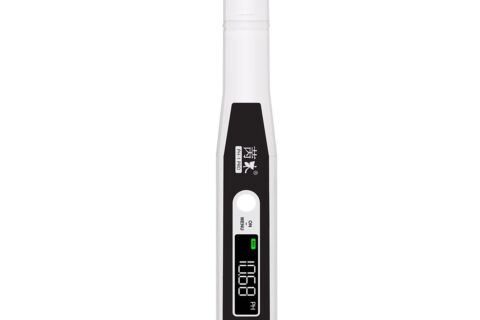

Water Testing
Salinity Meter / Refractometer
Marine fish stress, coral disease
from $80–$160
View details →