
Microscope for Fish Health
Microscope for Fish Health — helps with definitive parasite and pathogen identification.
- Solves
- Definitive parasite and pathogen identification
- Best for
- Veterinarians, serious breeders, fish stores
- Price range
- $100–$800
Recommended for these conditions
Prevention beats treatment every time, and prevention is a data problem. Microscope for Fish Health gives you the full picture of your water in one place.
Where it really pays for itself is definitive parasite and pathogen identification. That is the exact failure point behind several of the conditions in our library, so addressing it directly shortens treatment time and cuts re-infection.
How to use it well
Wet mount gill scrapes identify parasites before treatment. Treat it as part of a protocol rather than a magic bullet — it works best alongside good husbandry and the medications matched to your specific diagnosis.
Conditions it helps with
On our disease pages you’ll see this equipment recommended for conditions such as:
- Ich
- Trichodina
- Costia
Who it’s for
Best suited to veterinarians, serious breeders, fish stores. Typical units run in the $100–$800 range, depending on capacity and features. Use the inquiry form below to ask about a specific model, request a recommendation for your system size, or get notified when stock and pricing are confirmed.
Care & Usage Tips
Setup & Sample Preparation
- Start with 40× objective for initial gill scrape screening
The 40× objective (total magnification 400× with a 10× eyepiece) is the sweet spot for fish health diagnostics. Most ectoparasites — Ich trophonts (50–80 µm), Trichodina (50–100 µm), Dactylogyrus flukes (100–200 µm) — are identifiable at 40× without the coverslip management challenges of oil immersion. - Prepare wet mount slides immediately — specimens deteriorate within 5–10 minutes
Fish mucus, gill lamella, and skin scrape specimens begin desiccating and decomposing within minutes of removal. Have your microscope warmed up, slide, coverslip, and a drop of tank water already on the slide before taking the scrape. Work quickly and examine immediately. - Use tank water — not tap, RODI, or saline — for wet mounts
Parasites in the wrong osmotic environment immediately contract, rupture, or change morphology in ways that make identification unreliable or impossible. Always use a drop of water from the patient fish’s own tank on the mount slide. - Take samples from three sites: gill, skin, and fin margin
Different parasites preferentially colonize different tissue zones. Ich cysts prefer body skin; Dactylogyrus concentrates on gill lamellae; Gyrodactylus is most abundant on skin and fin margins. A three-site protocol maximizes the probability of identifying the causative organism. - Use a gentle, small-surface-area sampling technique
A gill scrape that removes too much lamella tissue can be as harmful as the disease being diagnosed. Use a clean coverslip edge or a clean microscope slide edge drawn lightly across the gill surface — not a scalpel. The goal is mucus with cells, not tissue.
Diagnosis & Safety
- Clean lenses with only lens paper and optical cleaning solution
Fish mucus, biological material, and saline solutions damage microscope optics rapidly if not cleaned promptly. After every examination session, clean all objective lenses with lens paper moistened with 70% isopropyl alcohol or purpose-made optical cleaning solution. Never use paper towels. - Build a reference image library from your own examinations
After a confirmed diagnosis, photograph the causative organism at the same objective that produced the clearest identification image. A personal reference library from your own tank species and water conditions is more immediately useful than textbook images at different magnifications. - Wear gloves when handling potentially diseased fish and biological samples
Several fish pathogens are zoonotic — transmissible to humans. Mycobacterium marinum (Fish Tuberculosis) causes a chronic skin infection called fish tank granuloma that can take months to resolve. Gloves during all sampling work are non-negotiable. (Ref: CDC, Mycobacterium marinum Infections) - Never over-diagnose from a single organism — look for population-level evidence
A single Trichodina organism on an otherwise healthy gill scrape may be an incidental finding. Clinically significant parasitism is indicated by high counts (>10 organisms per low-power field for Trichodina, >3–5 Dactylogyrus per field) combined with gill pathology. - Maintain a clean, dedicated work area — never share with food preparation
Fish health diagnostics involves pathogens, formalin-fixed specimens, and biological material. Dedicate a separate surface and set of tools exclusively to fish microscopy. Store all lab tools in a separate container from household items.
Frequently asked questions
What does Microscope for Fish Health do?
The Microscope for Fish Health helps control definitive parasite and pathogen identification — common triggers behind fish disease.
What conditions does Microscope for Fish Health help with?
Microscope for Fish Health is recommended for conditions such as Asian Tapeworm Infection, Costia (Ichthyobodo), Gill and Skin Flukes (Dactylogyrus & Gyrodactylus), Gyrodactylus Infection (Skin Flukes), and Mycobacteriosis (Fish Tuberculosis). Each linked disease page lists the full set of gear that helps.
Who is Microscope for Fish Health for?
Microscope for Fish Health is a good fit for veterinarians, serious breeders, fish stores. It works for both prevention and active treatment.
How much does Microscope for Fish Health cost?
Microscope for Fish Health typically costs in the $100–$800 range, depending on capacity, build quality, and features. Use the inquiry form on this page for a recommendation and current pricing.
How do you use Microscope for Fish Health?
Wet mount gill scrapes identify parasites before treatment. Treat it as part of a protocol rather than a magic bullet — it works best alongside good husbandry and the medications matched to your specific diagnosis.
How is Microscope for Fish Health diagnosed?
Clean lenses with only lens paper and optical cleaning solutionFish mucus, biological material, and saline solutions damage microscope optics rapidly if not cleaned promptly. After every examination session, clean all objective lenses with lens paper moistened with 70% isopropyl alcohol or purpose-made optical cleaning solution. Never use paper towels.
Inquiry form
Request info on this equipment
Ask about a specific model, request a recommendation for your system size, or get notified on pricing and availability.
Related equipment
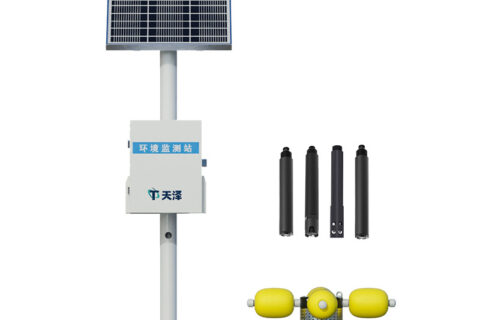
Monitoring
Water Quality Sensor Hub
Multi-parameter disease prevention
from $200–$5000
View details →