Goldfish · Koi
Parasitic Diseases in Koi & Goldfish
<p>Parasitic infestations represent one of the most diverse disease categories in ornamental fish keeping. From the microscopic ciliate <em>Trichodina</em> to the visible anchor worm <em>Lernaea</em>,
Severity: Mild To To To Severe
Parasitic infestations represent one of the most diverse disease categories in ornamental fish keeping. From the microscopic ciliate Trichodina to the visible anchor worm Lernaea, parasites can cause anything from mild irritation to catastrophic gill destruction and death if left untreated.
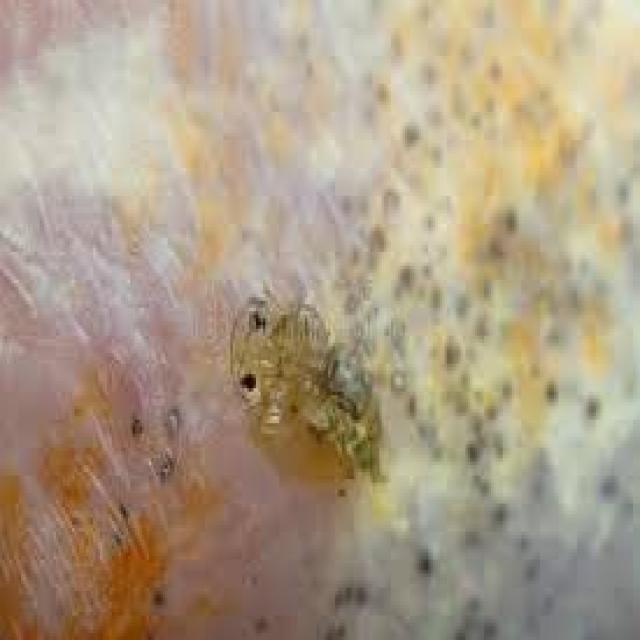
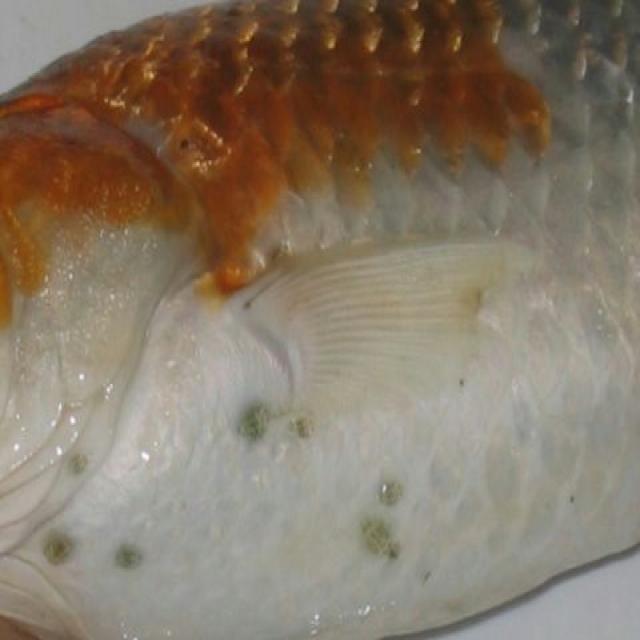
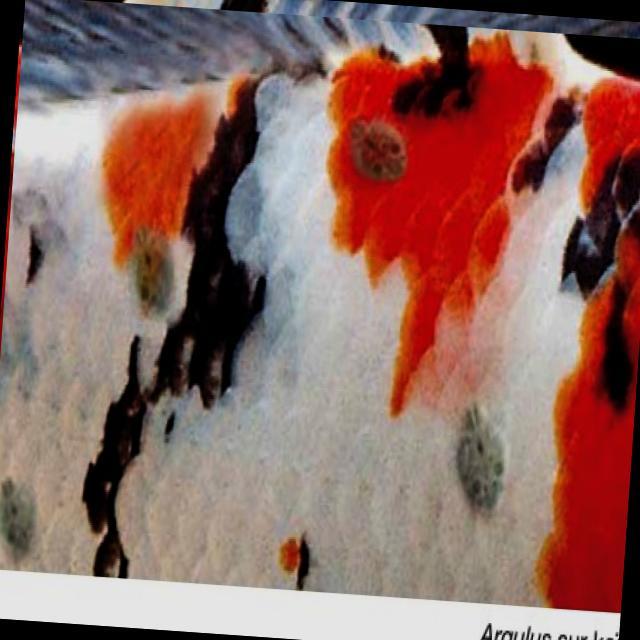
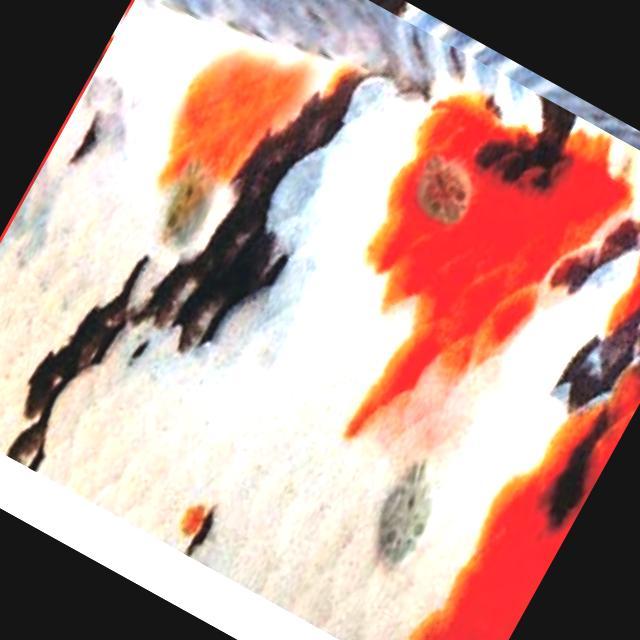
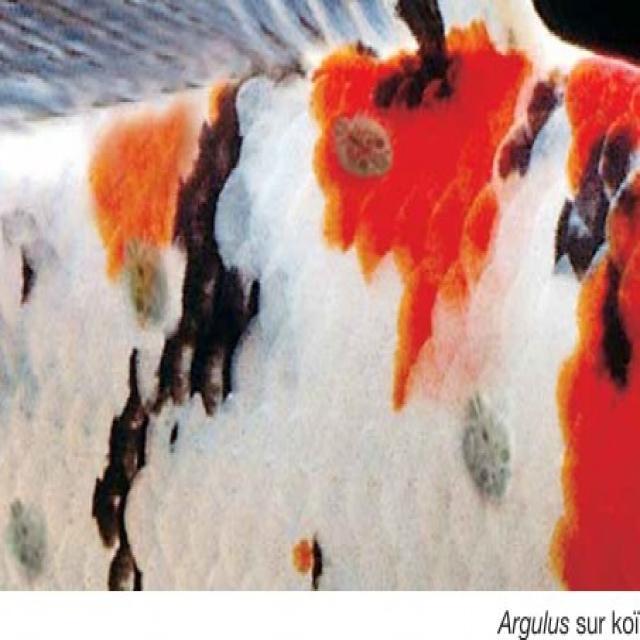
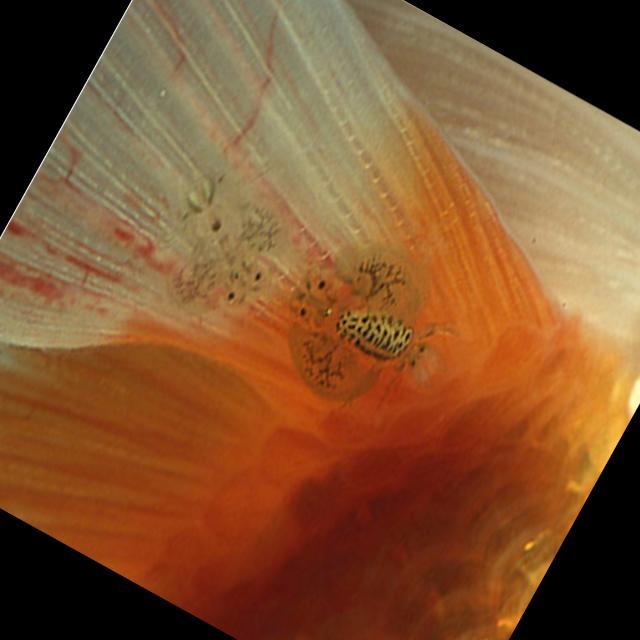
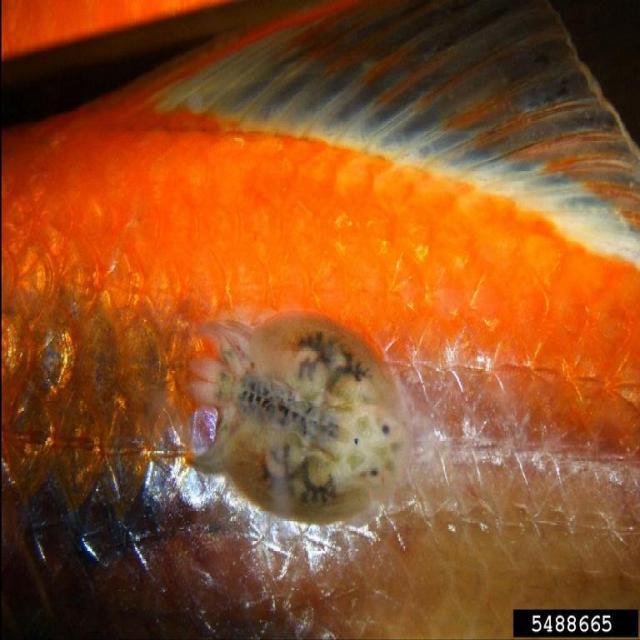
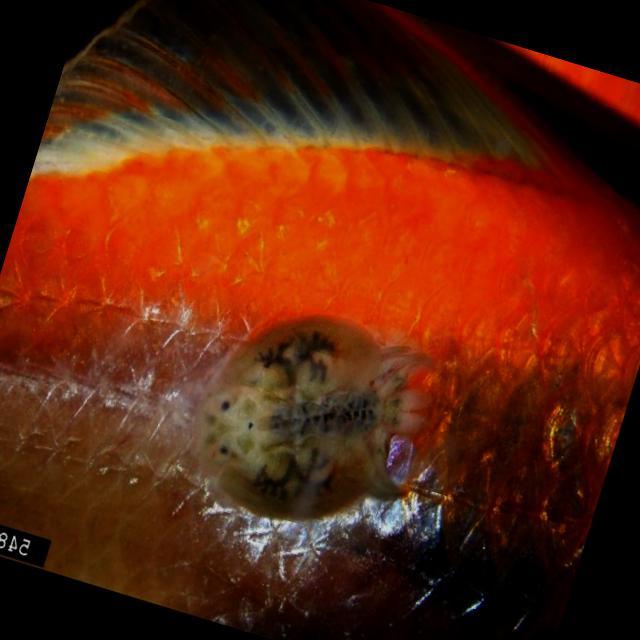
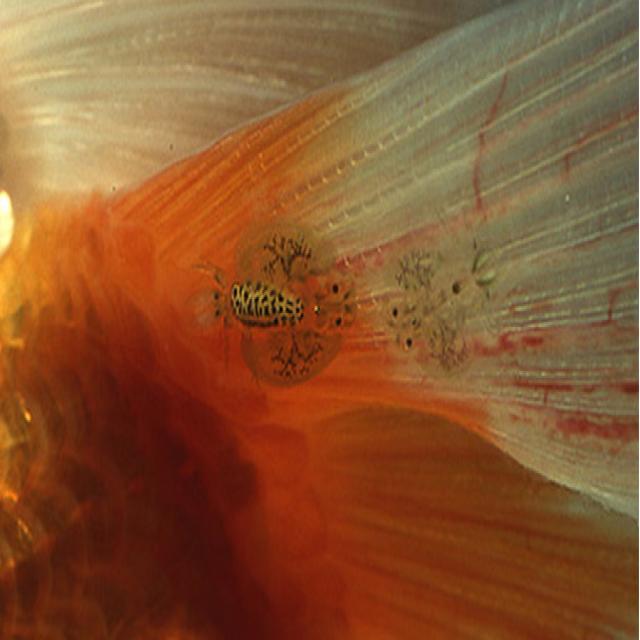
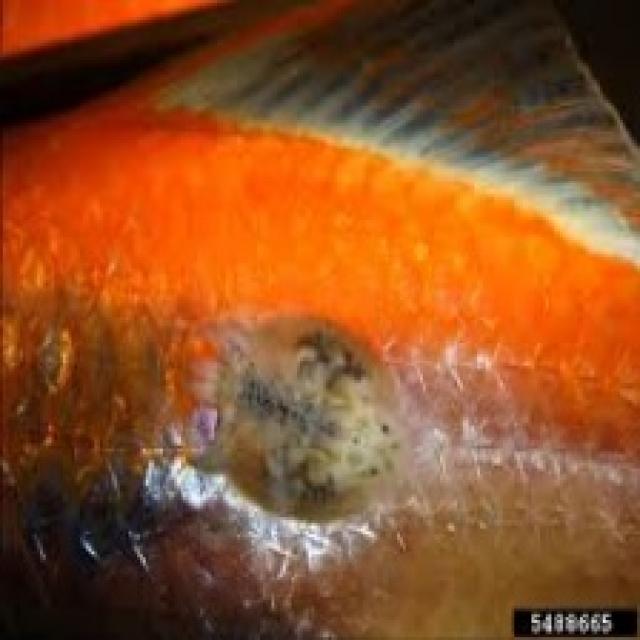
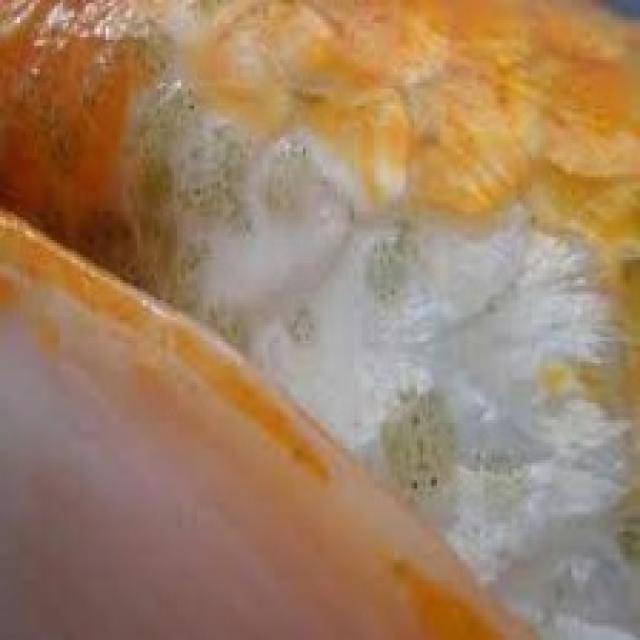
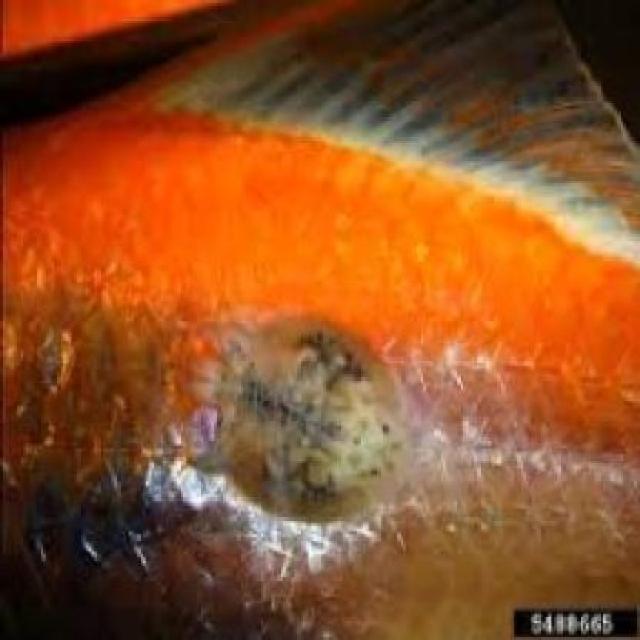
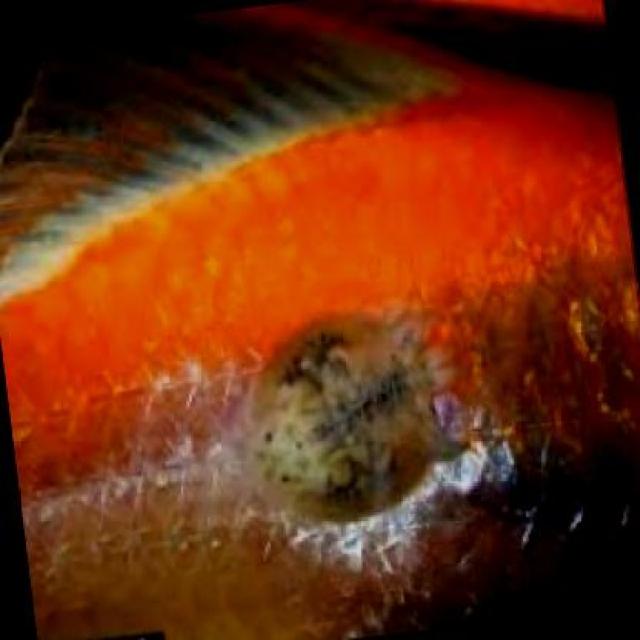
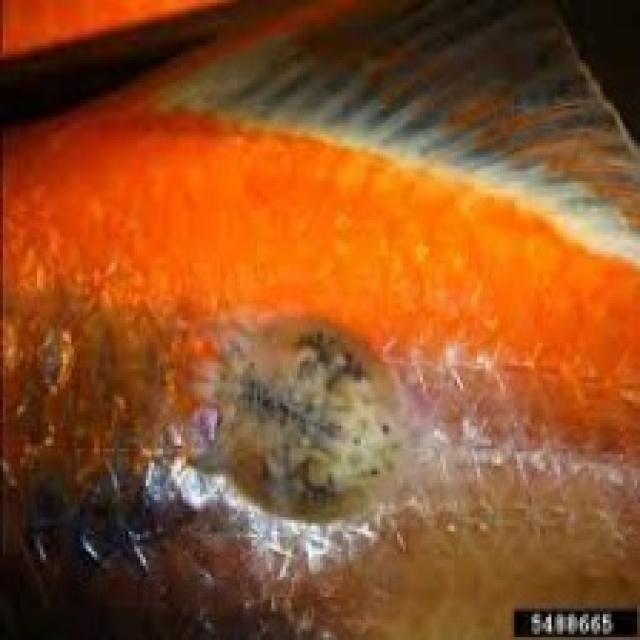
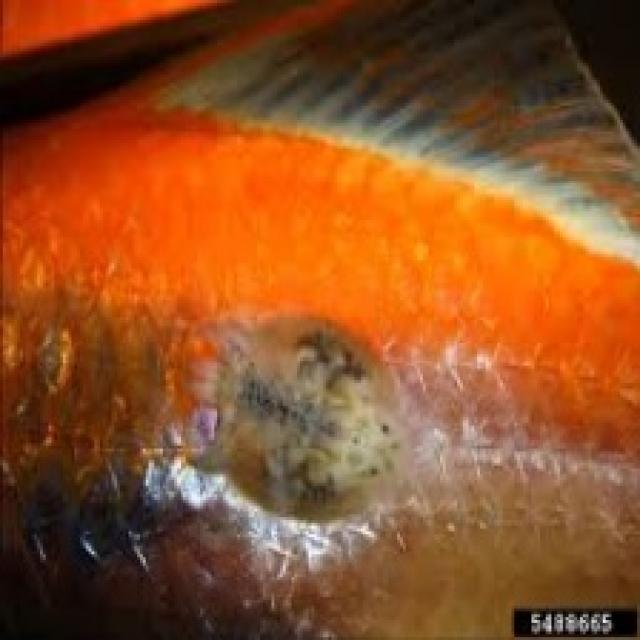
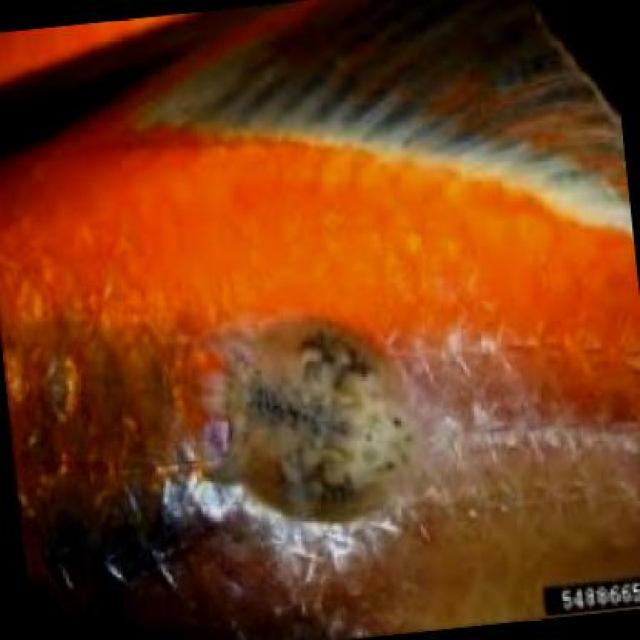
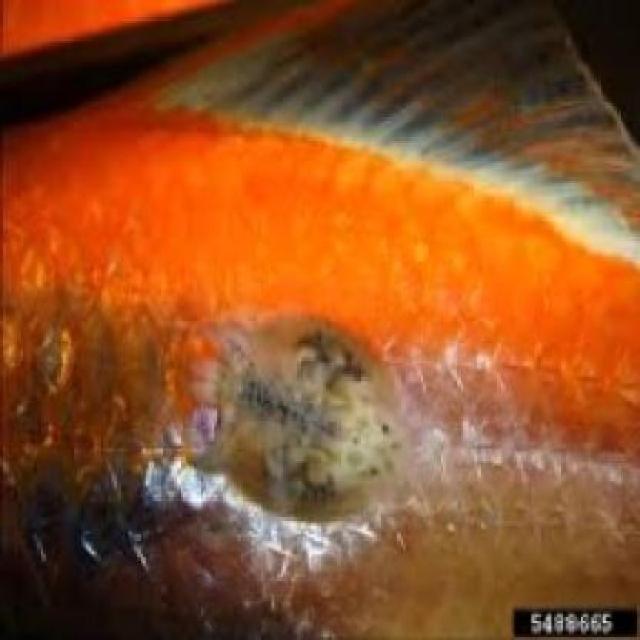
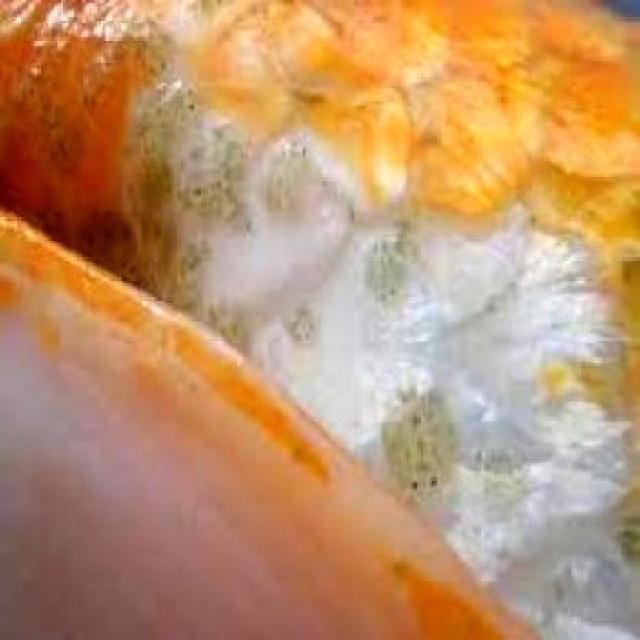
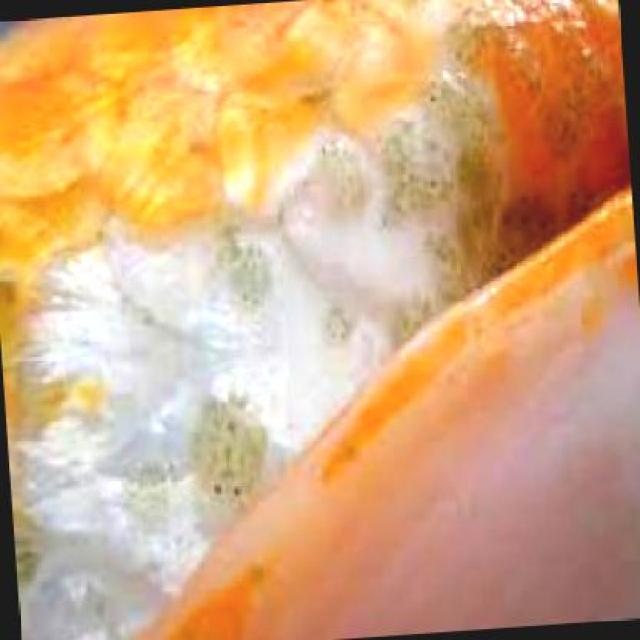
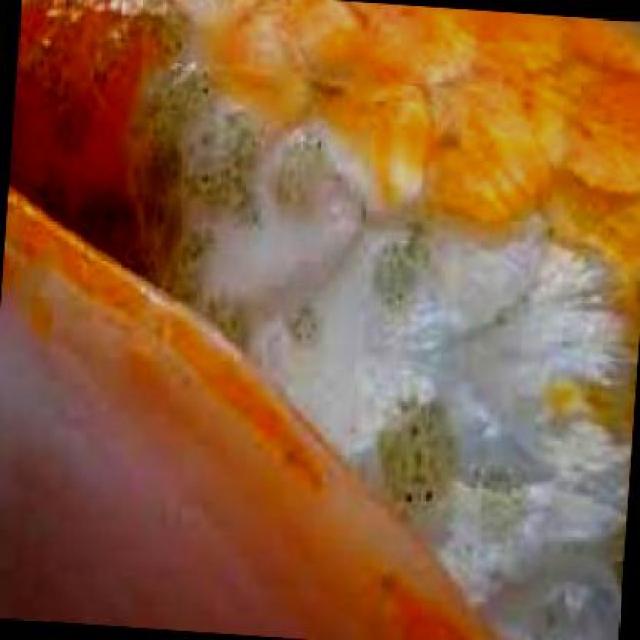
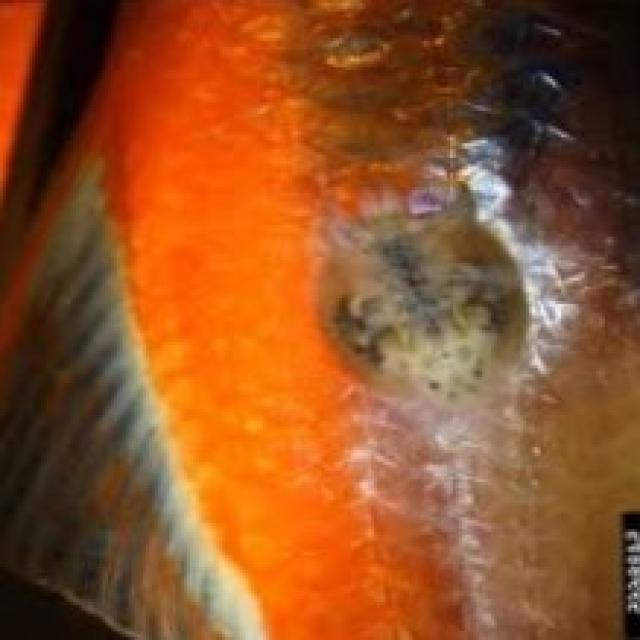
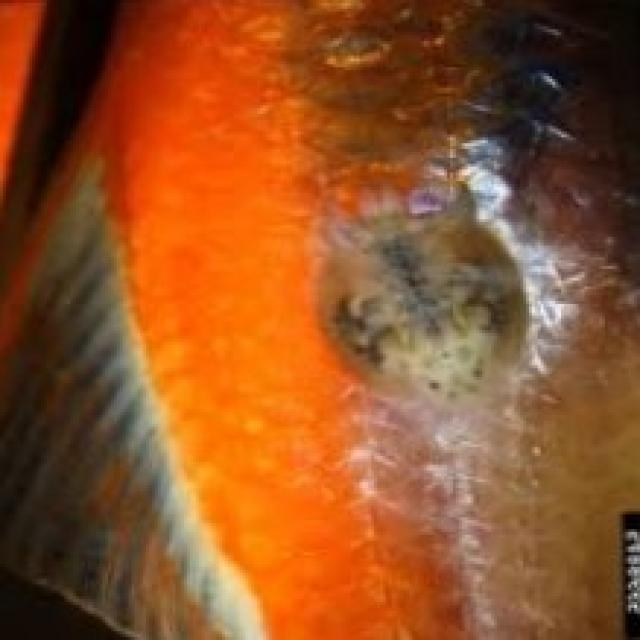
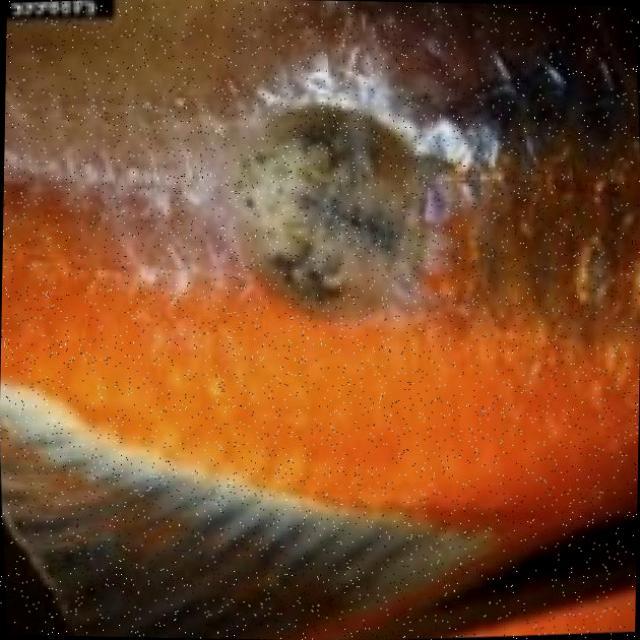
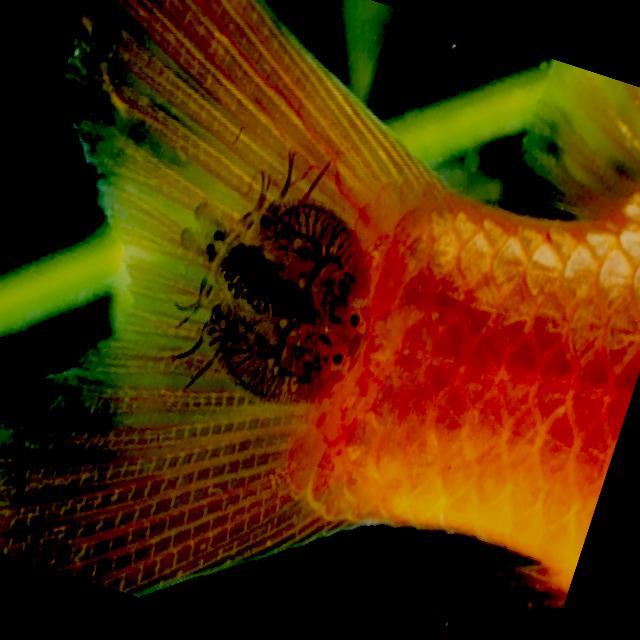
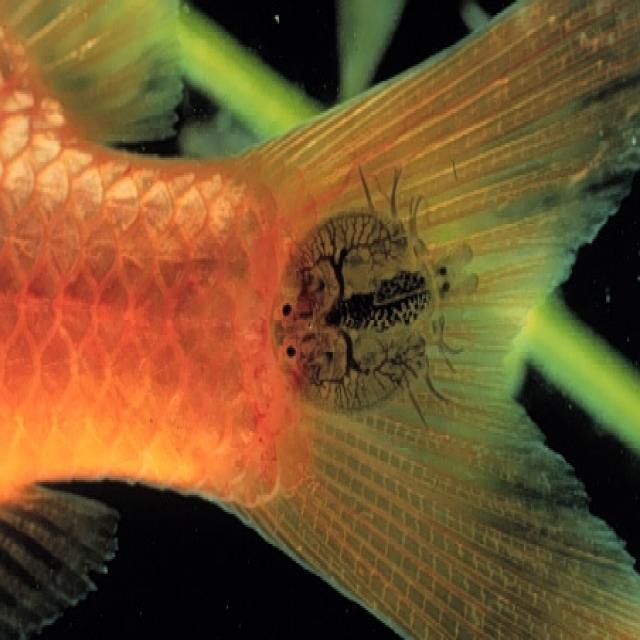
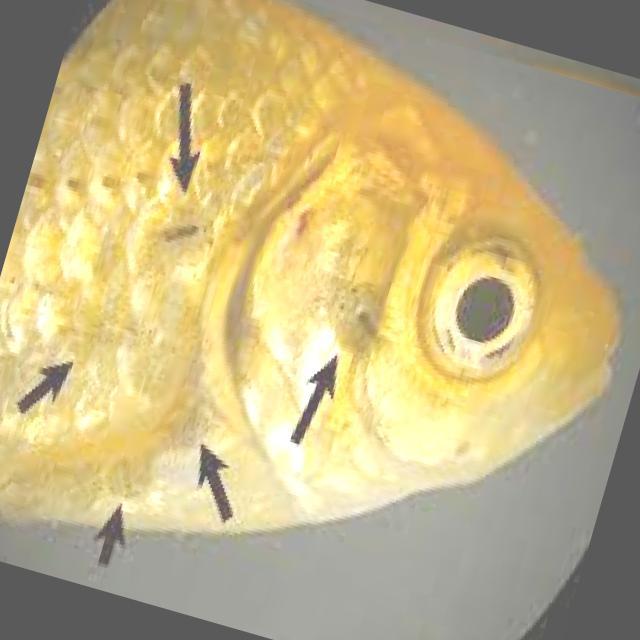
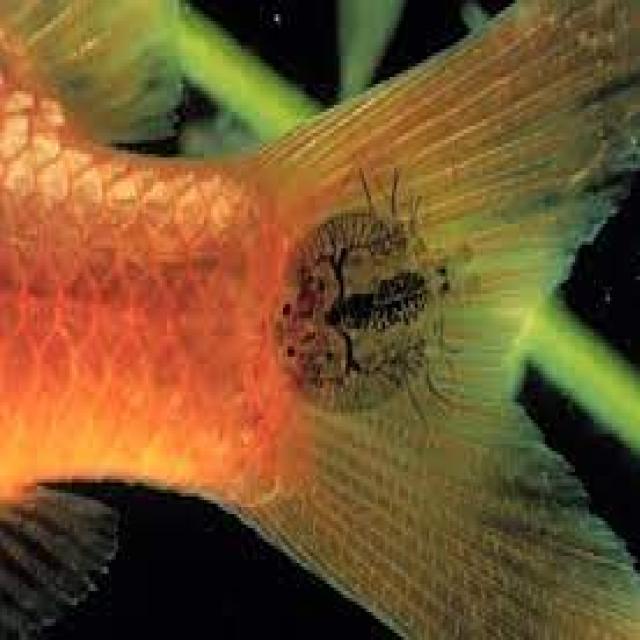
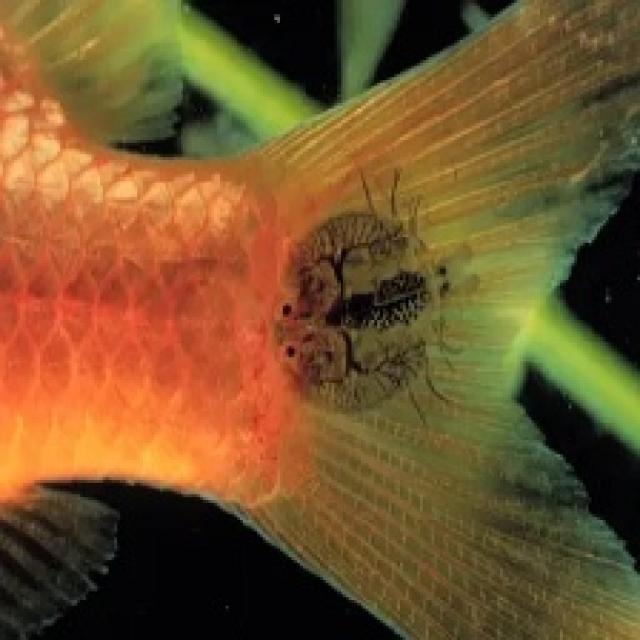
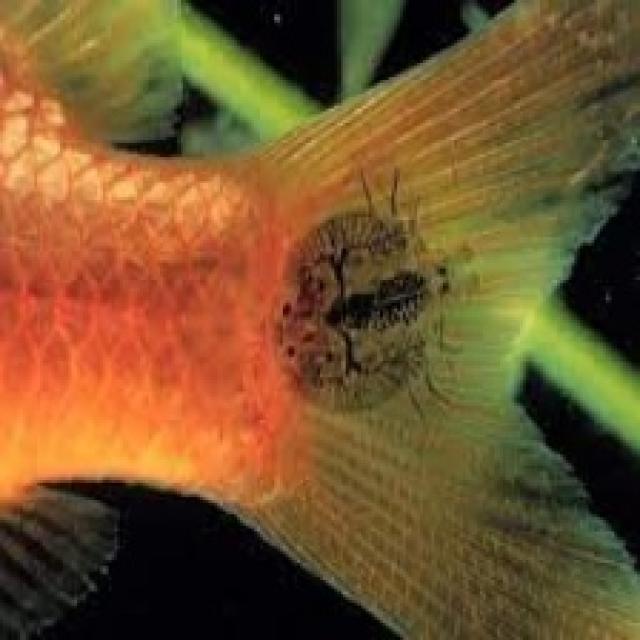
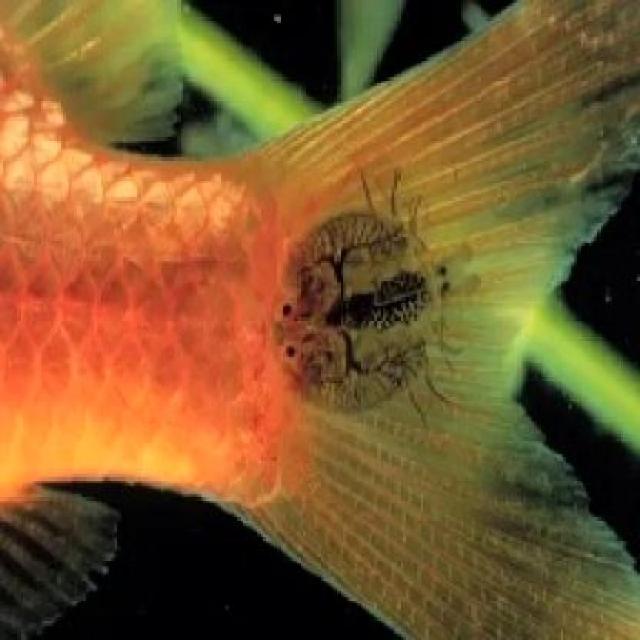
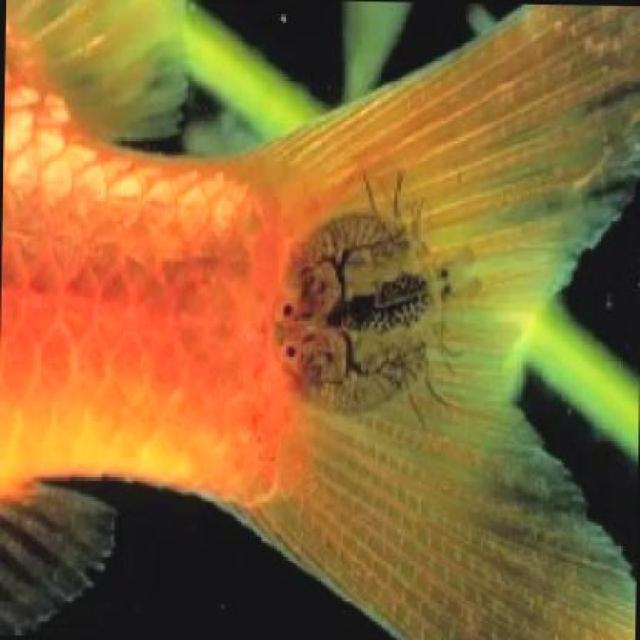
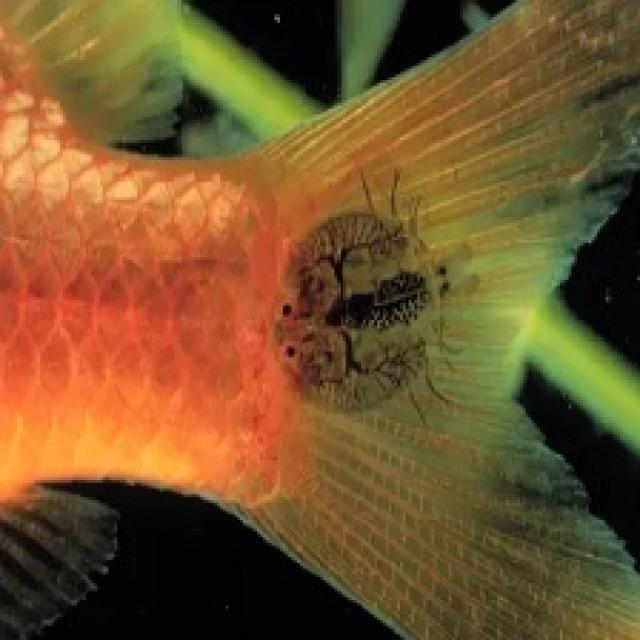
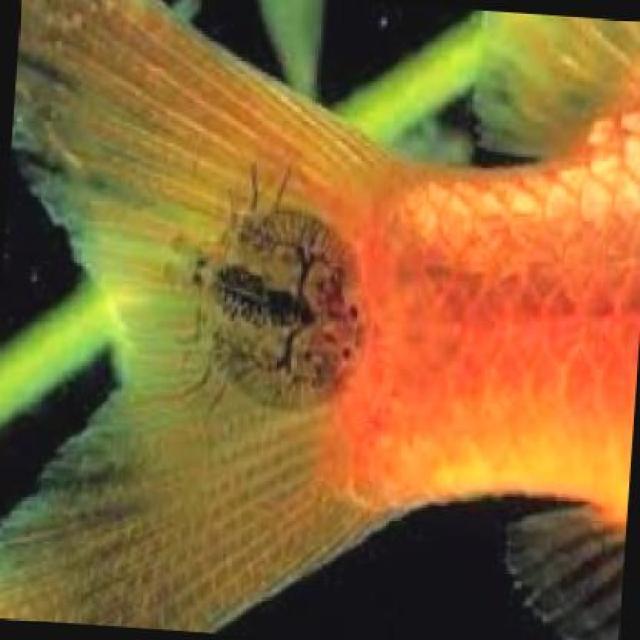
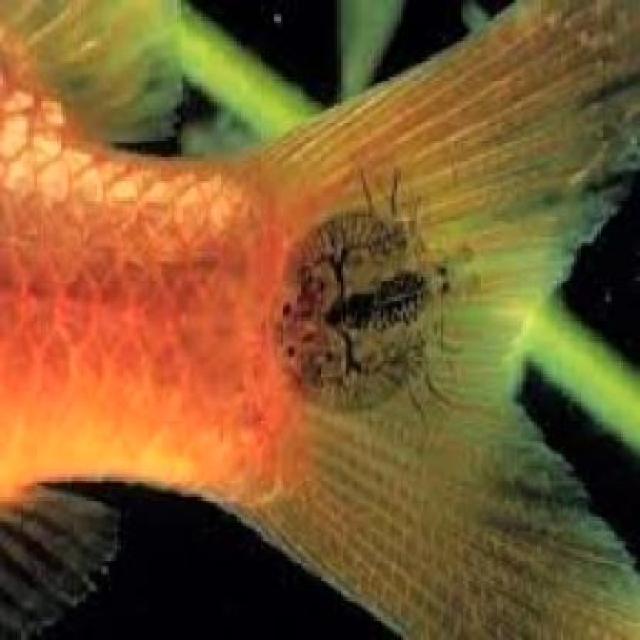
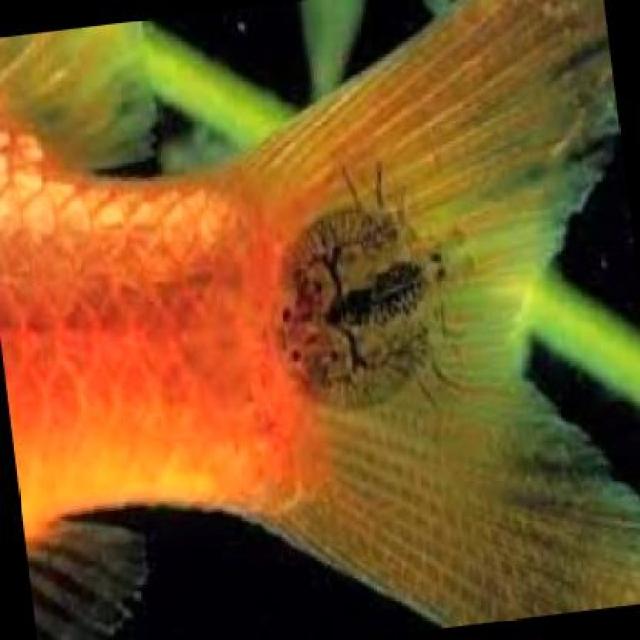
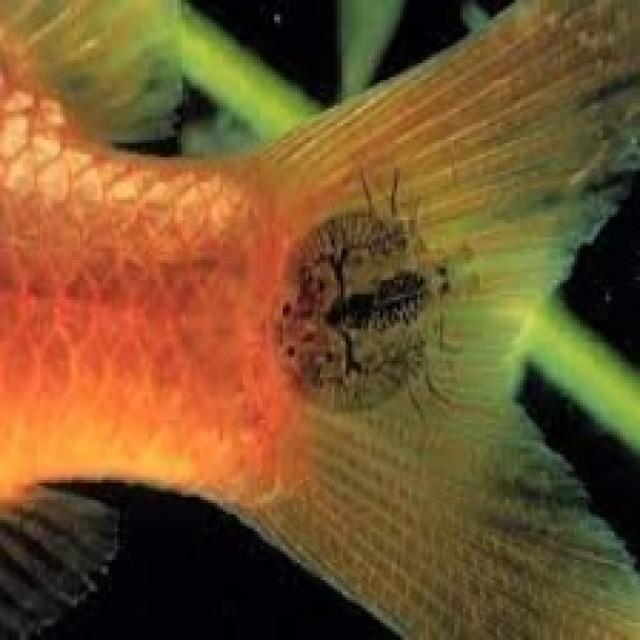
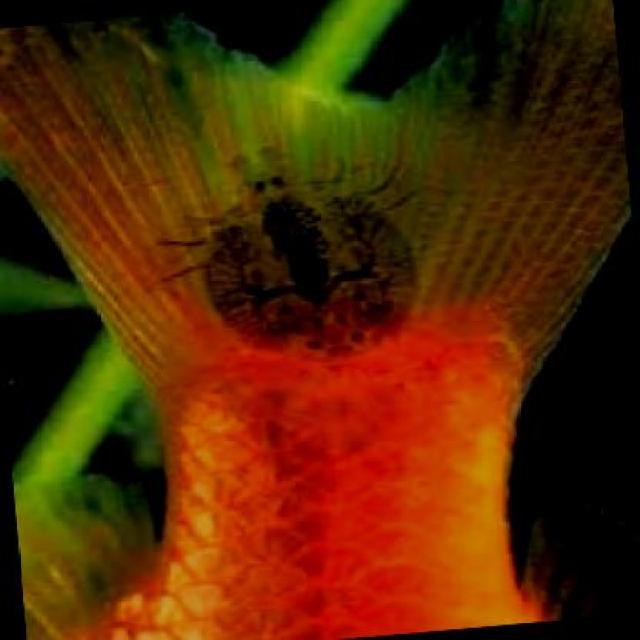
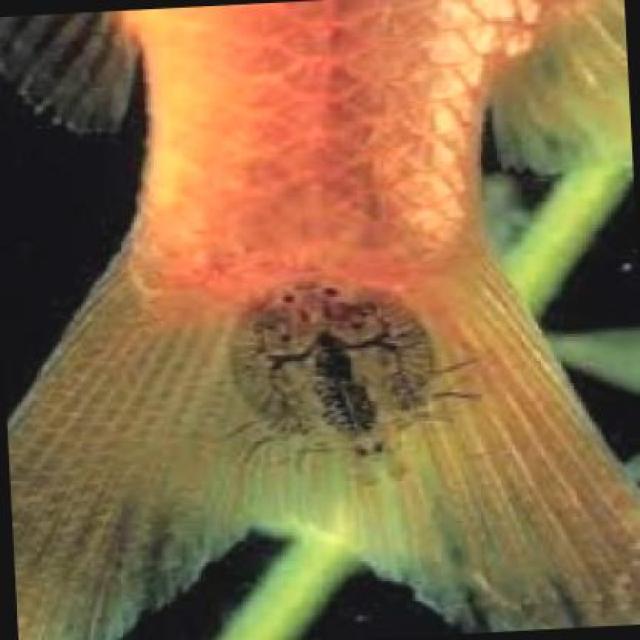
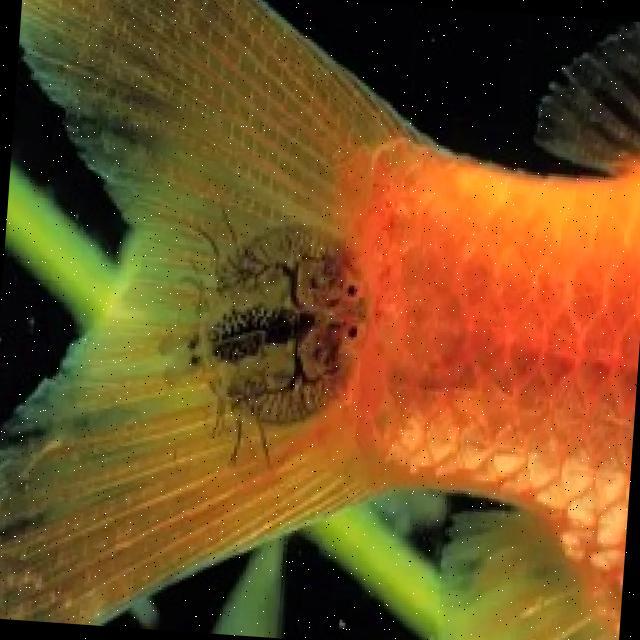
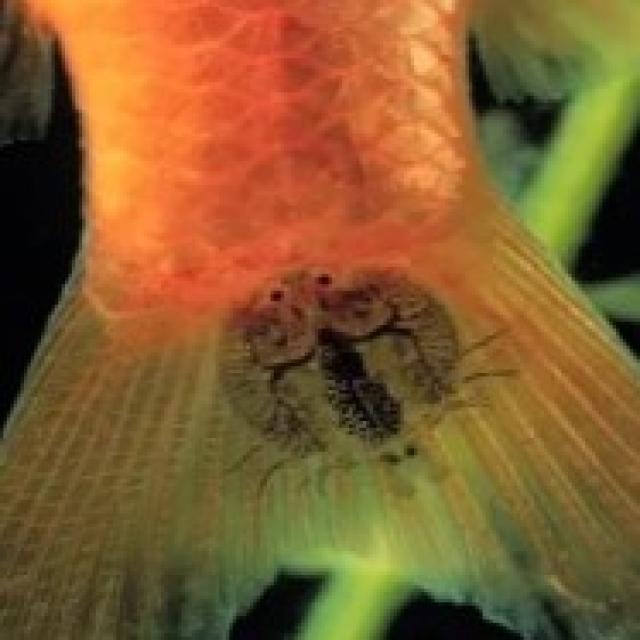
The images below document parasitic disease presentations in koi and goldfish from the FishyFarmacy AI disease-detection training dataset, illustrating the range of clinical signs associated with ectoparasite infestations.
Disease Image Gallery





Causes
Parasitic diseases in koi and goldfish encompass a broad range of ectoparasites and endoparasites. The most clinically important include: Ichthyophthirius multifiliis (White Spot / Ich) — a ciliated protozoan that embeds under the skin and gills; Trichodina spp. — saucer-shaped ciliates that rasp the skin surface; Dactylogyrus (gill flukes) and Gyrodactylus (skin flukes) — monogenean flatworms that damage epithelial tissue; Argulus spp. (fish lice) — visible crustacean ectoparasites; and Lernaea (anchor worm) — a copepod that embeds deeply into muscle tissue. Overcrowding, poor water quality, and introduction of new fish without quarantine are the primary risk factors.
Treatment
Treatment varies significantly by parasite type: 1. White Spot (Ich): Raise temperature gradually to 28–30 °C to accelerate life cycle, then treat with malachite green + formalin combination, or commercial Ich remedies containing chloramine-T. Salt (0.3%) provides adjunct support. 2. Flukes (Dactylogyrus / Gyrodactylus): Praziquantel 2–5 mg/L for 3–5 days; formalin dip 250 mg/L for 1 hour; or potassium permanganate dip 10 mg/L for 20 minutes. 3. Trichodina: Salt bath 3–5 g/L; potassium permanganate 10 mg/L for 30 min. 4. Anchor worm / Fish lice: Manual removal of visible parasites with forceps under anaesthesia, then treat the wound with antiseptic. Treat pond with diflubenzuron or organophosphates (where legal) to kill free-swimming larvae. Always complete the full treatment course to break the parasite life cycle.
Prevention
Quarantine all new fish for a minimum of 4–6 weeks and treat prophylactically for flukes with praziquantel before introduction. Maintain good water quality — parasites thrive in organically enriched, low-oxygen water. Avoid introducing plants or equipment from unknown sources without disinfection. Regular microscopic examination of skin scrapes and gill clips from any fish showing vague symptoms (flashing, clamped fins) allows early detection before population explosions occur. A course of salt (0.3%) in spring, when temperatures rise and parasite reproduction peaks, provides useful prophylactic protection.
Frequently Asked Questions
Why do I need to treat twice for White Spot?
Ich medication only kills the free-swimming theront (infective) stage — it cannot penetrate the protective cyst while the parasite is embedded in the skin. The second treatment, timed 5–7 days later (depending on temperature), targets the newly released theronts before they re-infect the fish.
Can I see parasites with the naked eye?
Some parasites are visible: anchor worms appear as elongated threads up to 2 cm, fish lice (Argulus) as flat, disc-like creatures up to 1 cm. White Spot (Ich) is visible as 1 mm white dots. Most others — flukes, Trichodina — require a microscope (100–400×) for diagnosis.
Is praziquantel safe for my pond filter?
Praziquantel is generally safe for biological filtration at therapeutic doses (2–5 mg/L). Unlike organophosphates or formalin, it does not significantly disrupt beneficial nitrifying bacteria. It is also safe for most aquatic plants.
Causes
Parasitic diseases in koi and goldfish encompass a broad range of ectoparasites and endoparasites. The most clinically important include: Ichthyophthirius multifiliis (White Spot / Ich) — a ciliated protozoan that embeds under the skin and gills; Trichodina spp. — saucer-shaped ciliates that rasp the skin surface; Dactylogyrus (gill flukes) and Gyrodactylus (skin flukes) — monogenean flatworms that damage epithelial tissue; Argulus spp. (fish lice) — visible crustacean ectoparasites; and Lernaea (anchor worm) — a copepod that embeds deeply into muscle tissue. Overcrowding, poor water quality, and introduction of new fish without quarantine are the primary risk factors.
Treatment
Treatment varies significantly by parasite type: 1. White Spot (Ich): Raise temperature gradually to 28–30 °C to accelerate life cycle, then treat with malachite green + formalin combination, or commercial Ich remedies containing chloramine-T. Salt (0.3%) provides adjunct support. 2. Flukes (Dactylogyrus / Gyrodactylus): Praziquantel 2–5 mg/L for 3–5 days; formalin dip 250 mg/L for 1 hour; or potassium permanganate dip 10 mg/L for 20 minutes. 3. Trichodina: Salt bath 3–5 g/L; potassium permanganate 10 mg/L for 30 min. 4. Anchor worm / Fish lice: Manual removal of visible parasites with forceps under anaesthesia, then treat the wound with antiseptic. Treat pond with diflubenzuron or organophosphates (where legal) to kill free-swimming larvae. Always complete the full treatment course to break the parasite life cycle.
Prevention
Quarantine all new fish for a minimum of 4–6 weeks and treat prophylactically for flukes with praziquantel before introduction. Maintain good water quality — parasites thrive in organically enriched, low-oxygen water. Avoid introducing plants or equipment from unknown sources without disinfection. Regular microscopic examination of skin scrapes and gill clips from any fish showing vague symptoms (flashing, clamped fins) allows early detection before population explosions occur. A course of salt (0.3%) in spring, when temperatures rise and parasite reproduction peaks, provides useful prophylactic protection.