Goldfish · Koi
White Tail Disease in Koi & Goldfish
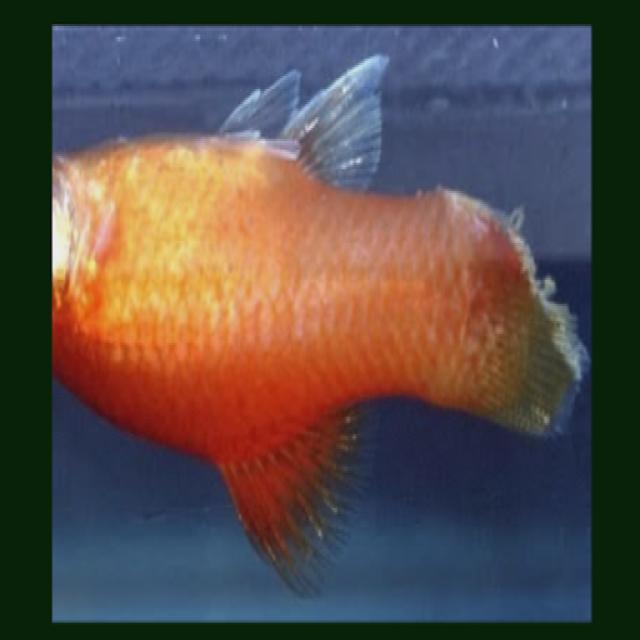
<p>White tail disease is a serious and poorly understood condition caused by microsporidian intracellular parasites that destroy muscle tissue in the tail region of affected koi and goldfish. The char
Severity: Moderate To To To Severe
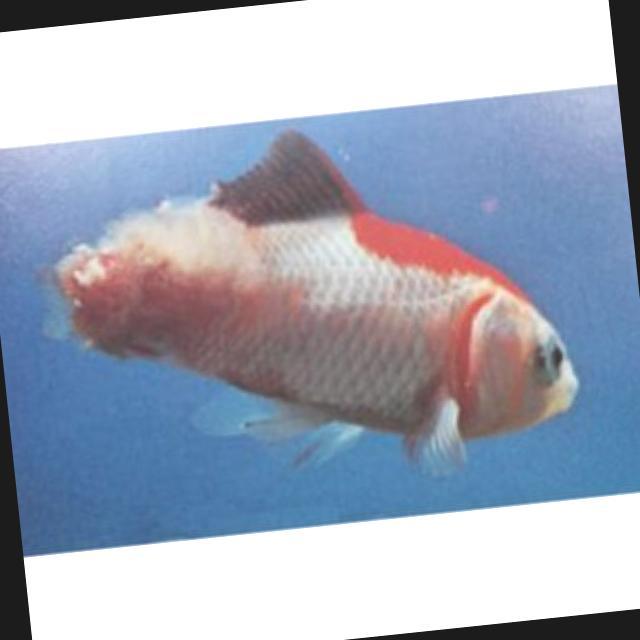
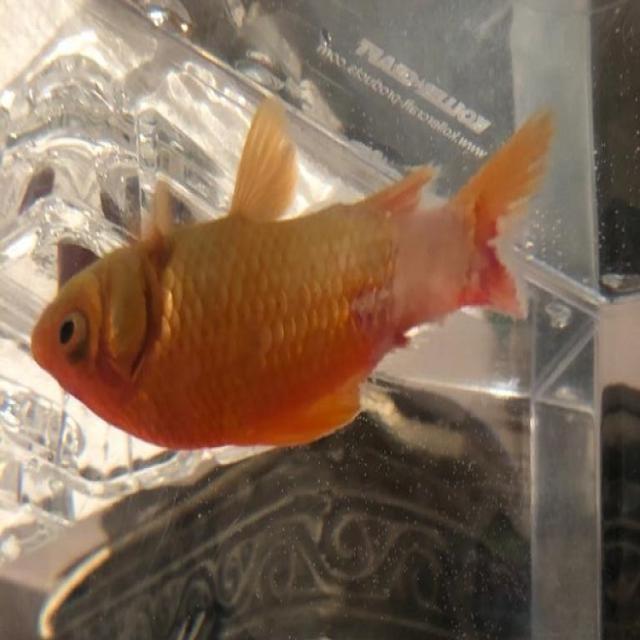
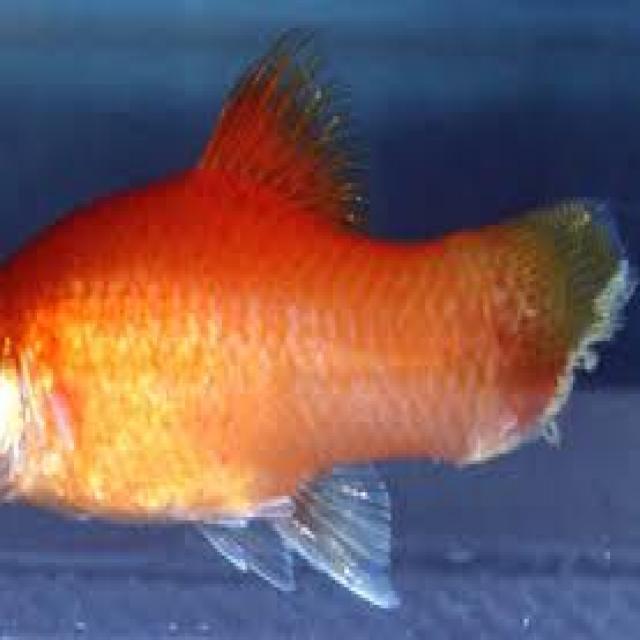
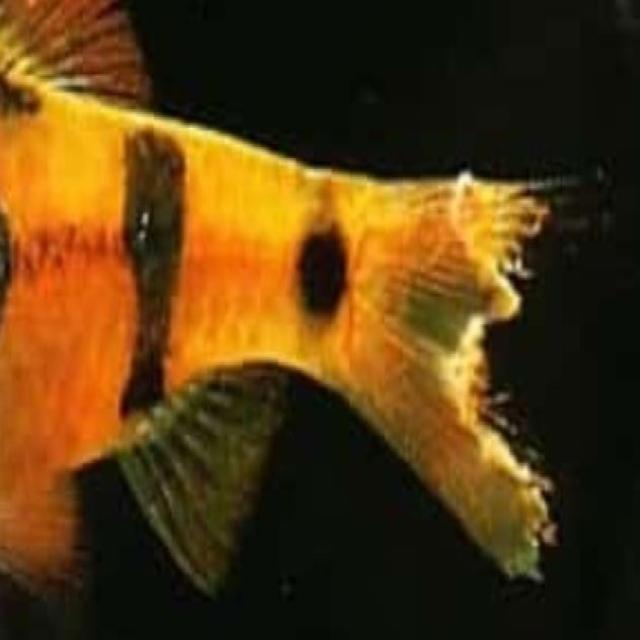
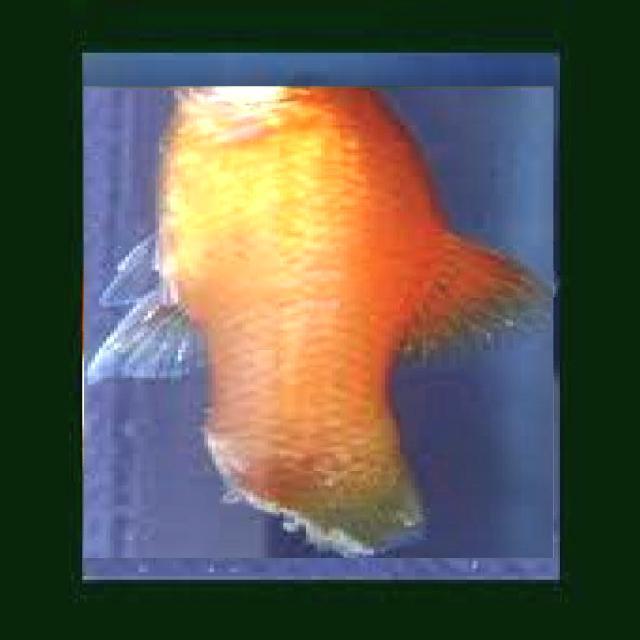
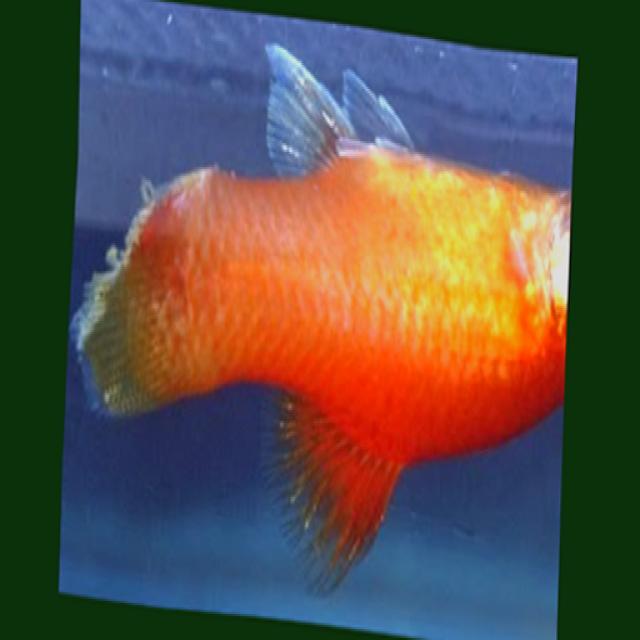
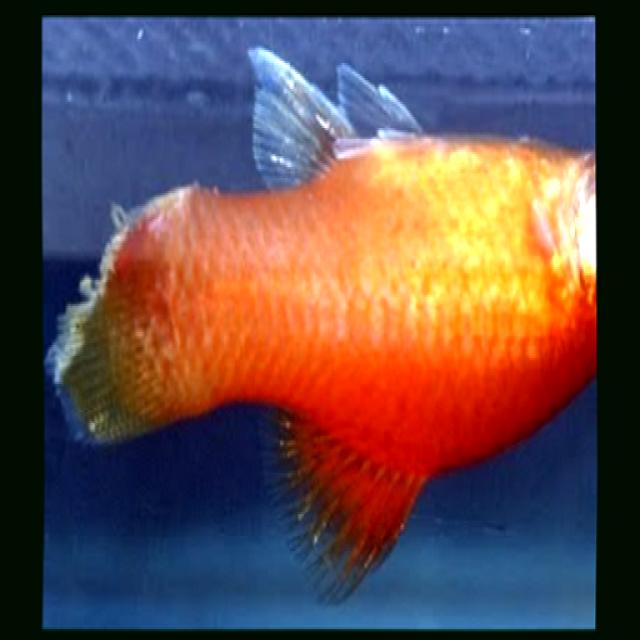
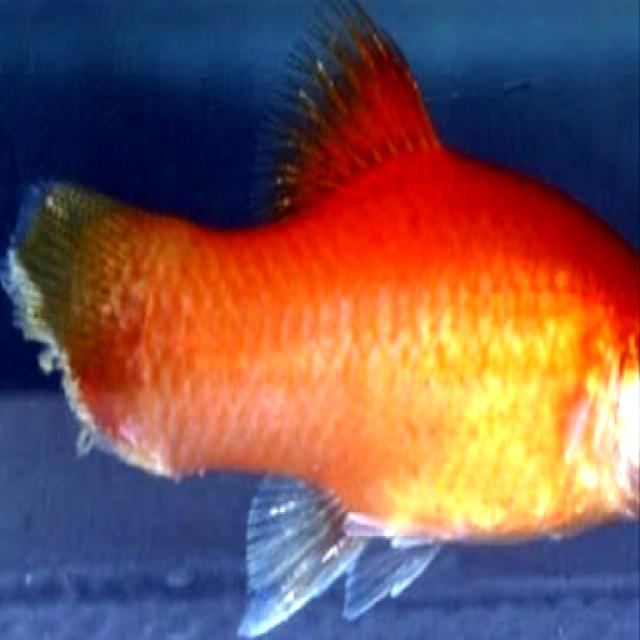
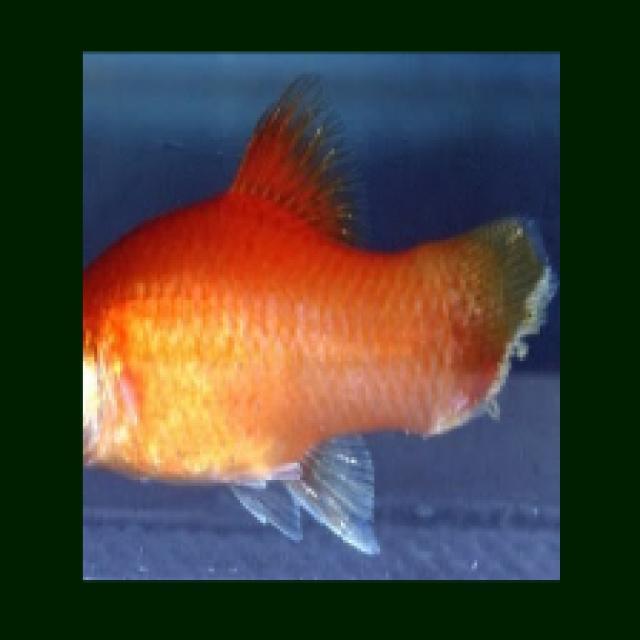
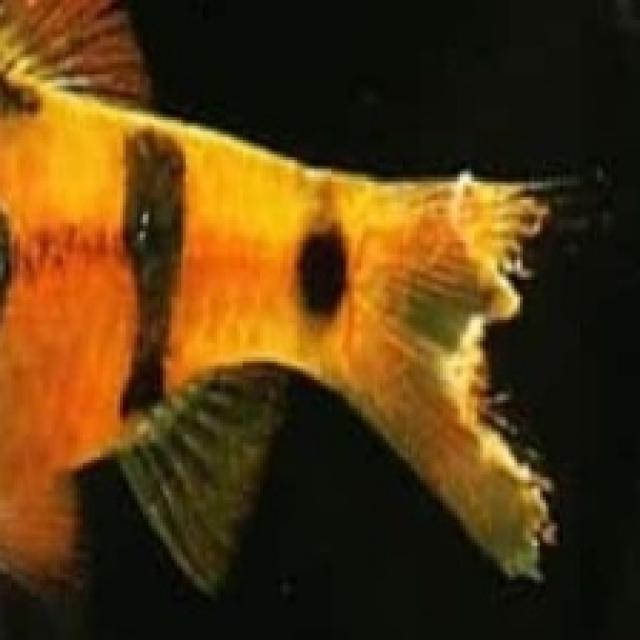
White tail disease is a serious and poorly understood condition caused by microsporidian intracellular parasites that destroy muscle tissue in the tail region of affected koi and goldfish. The characteristic opaque whitening of the caudal peduncle is visually striking and, unfortunately, indicates significant internal damage that is largely irreversible.
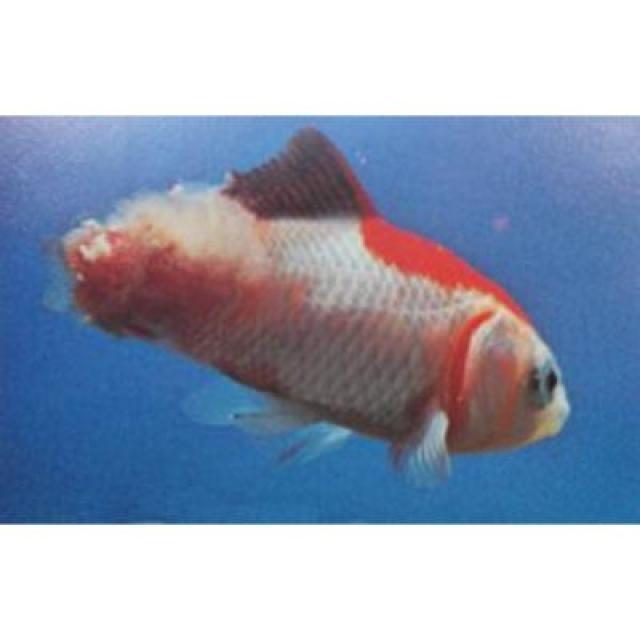
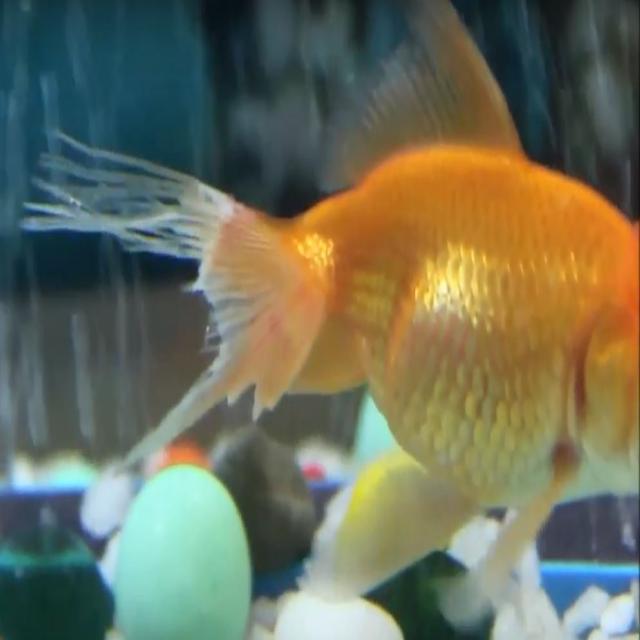
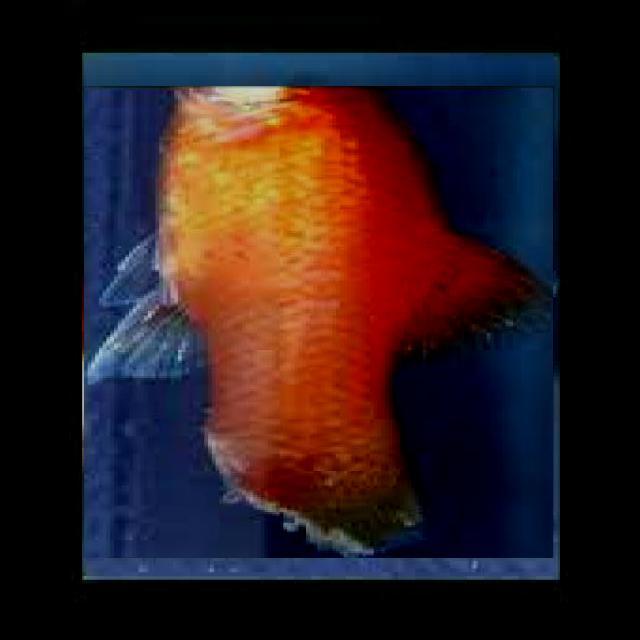
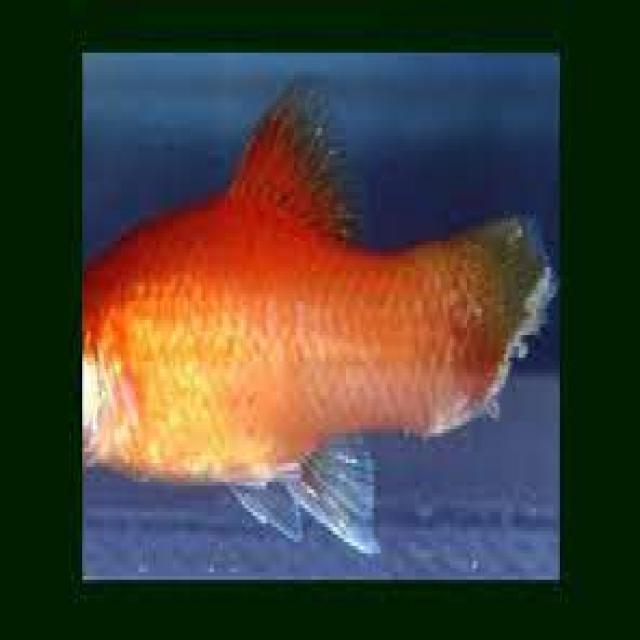
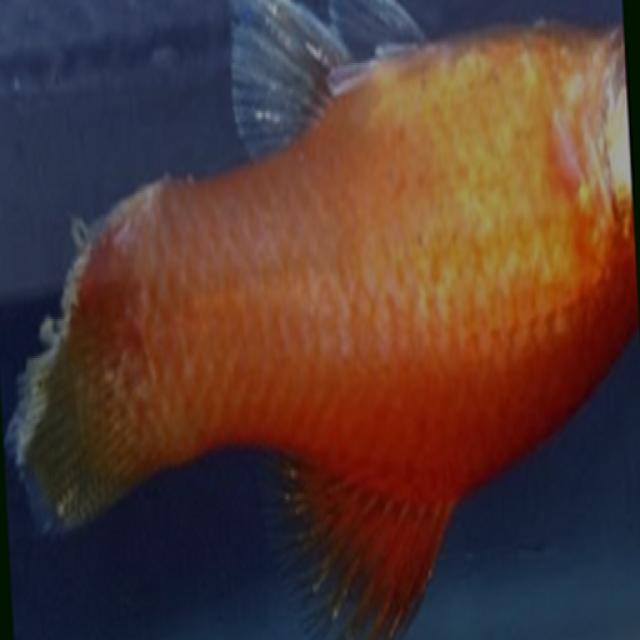
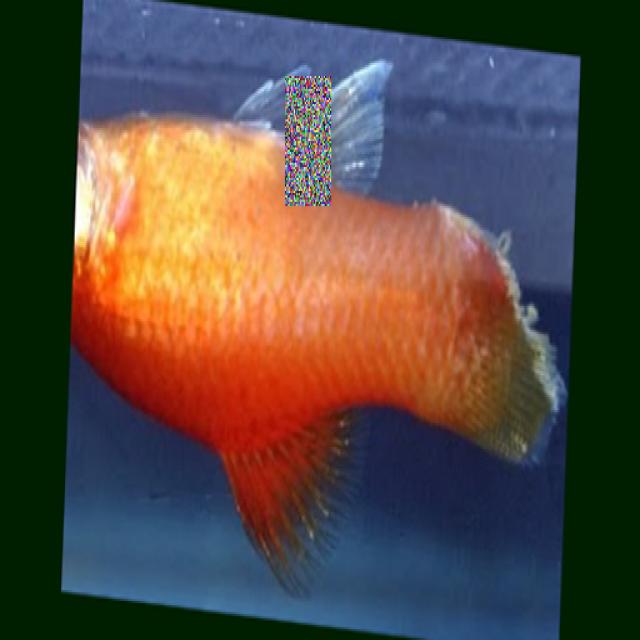
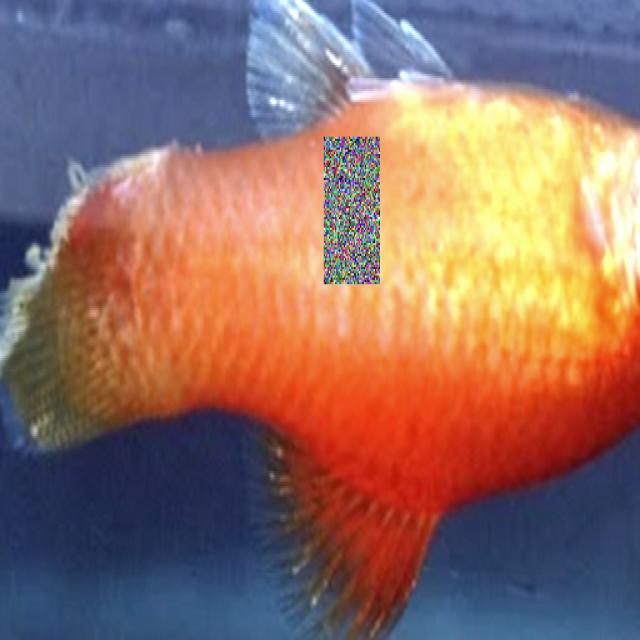
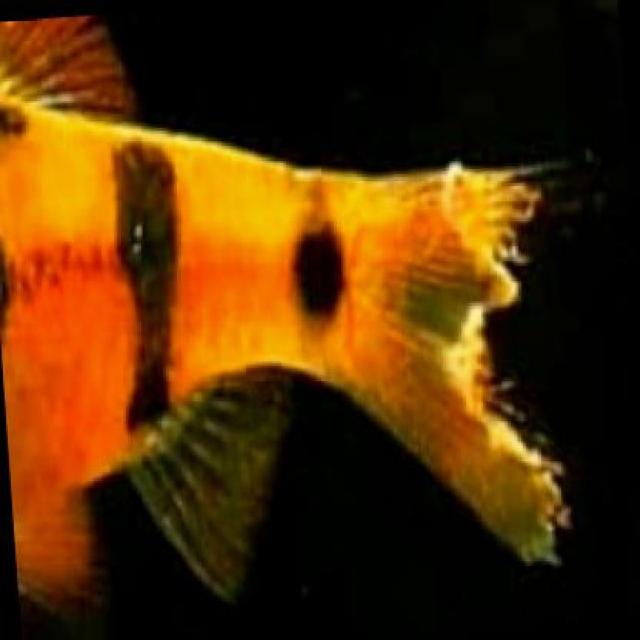
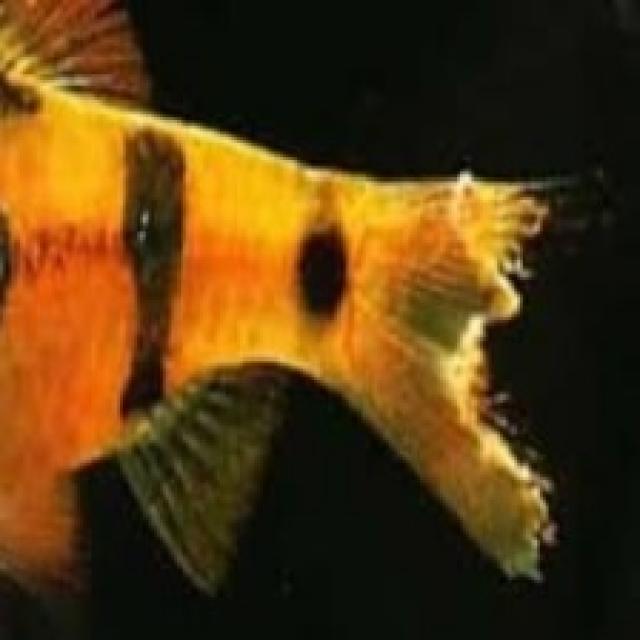
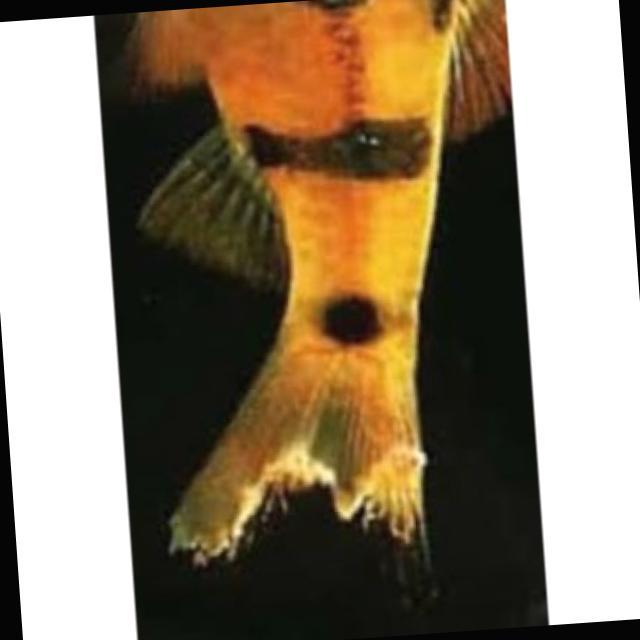
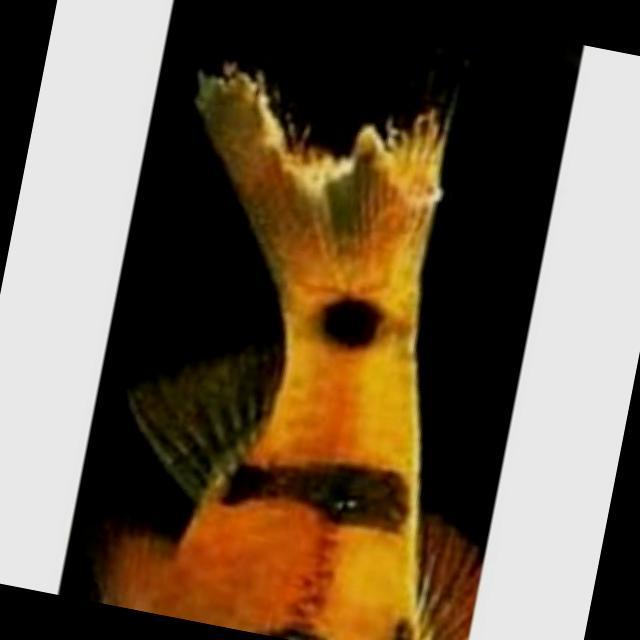
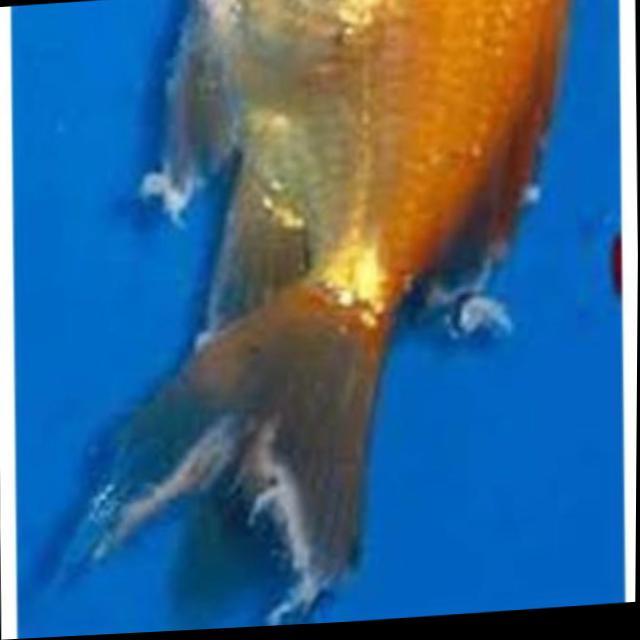
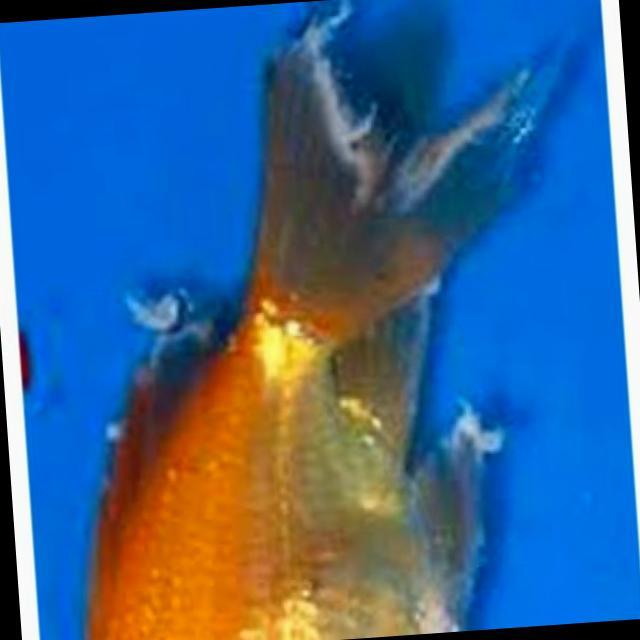
The following images from the FishyFarmacy AI disease-detection training dataset document the progression and visual characteristics of white tail disease across koi and goldfish specimens, including both koi (Cyprinus rubrofuscus) and goldfish (Carassius auratus).
Disease Image Gallery
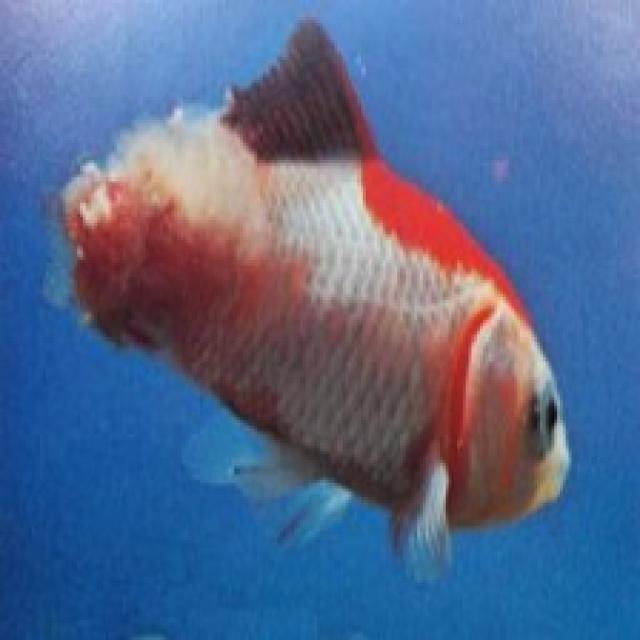
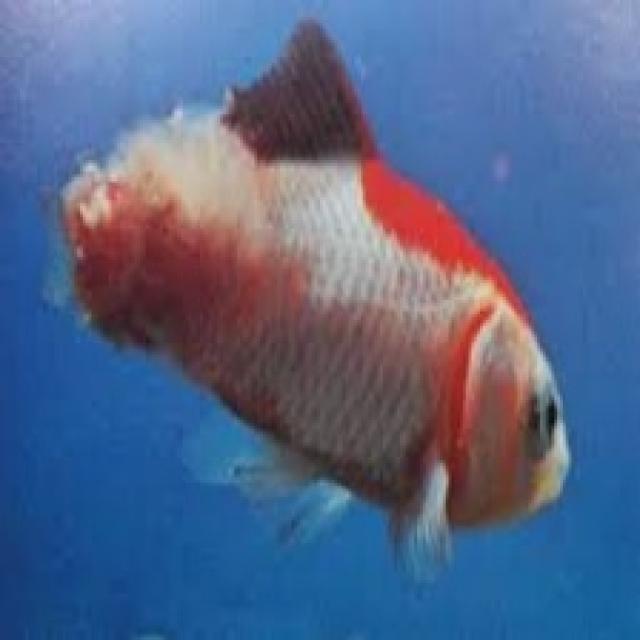
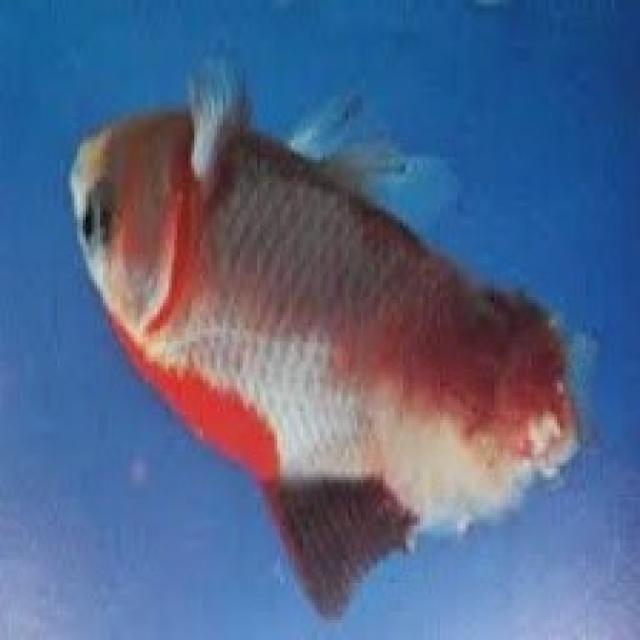
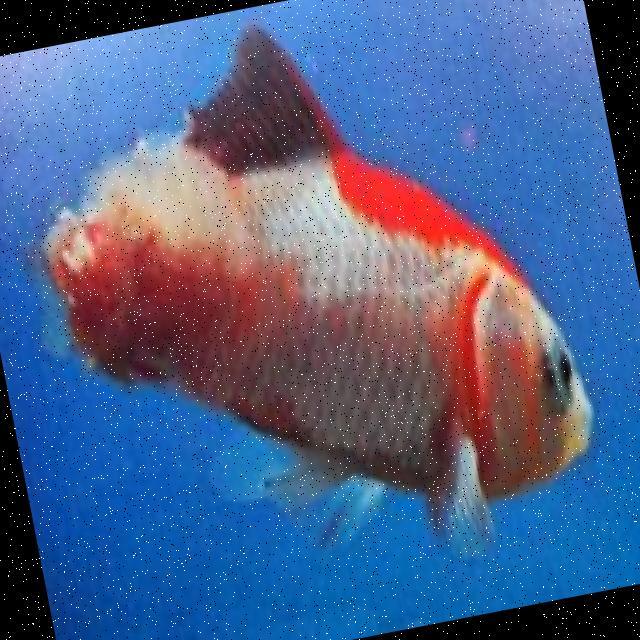

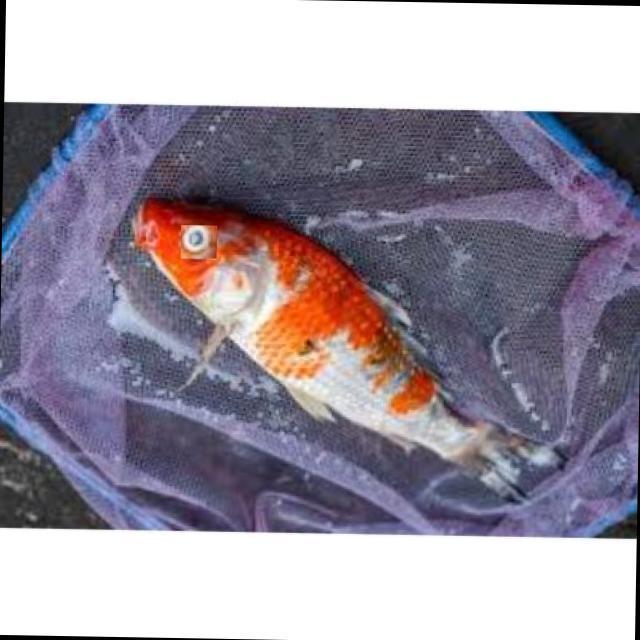
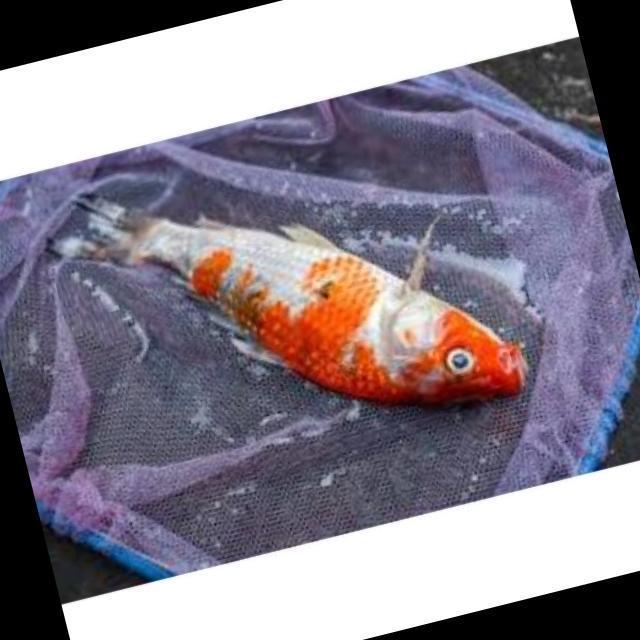
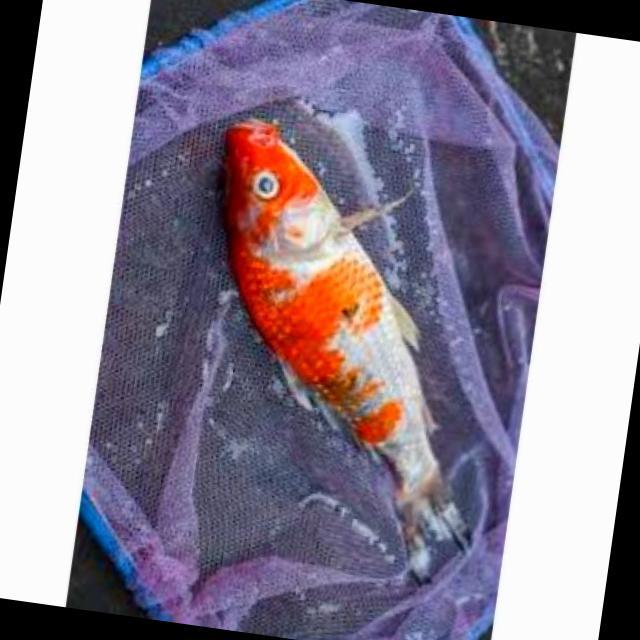
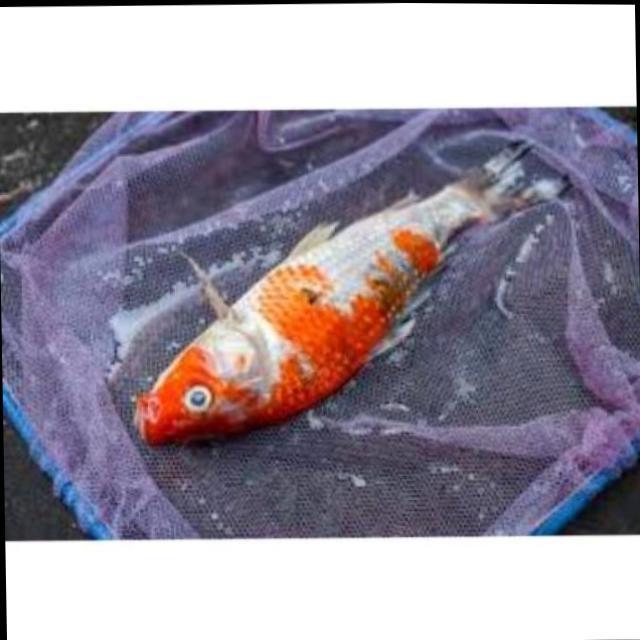
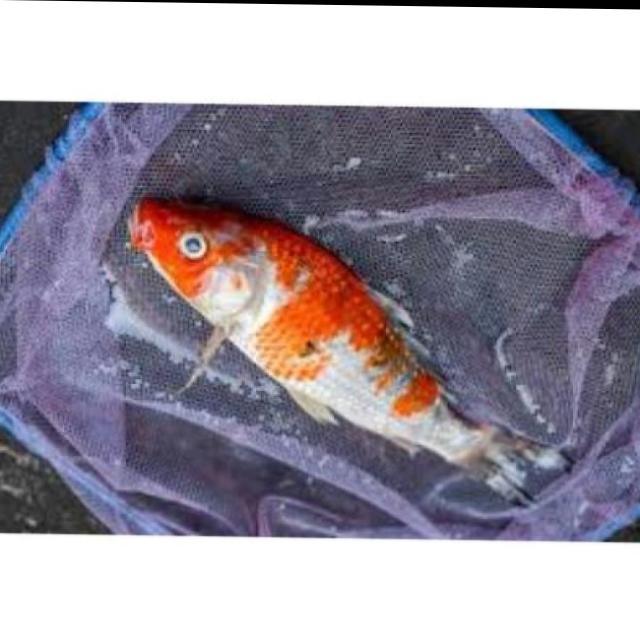
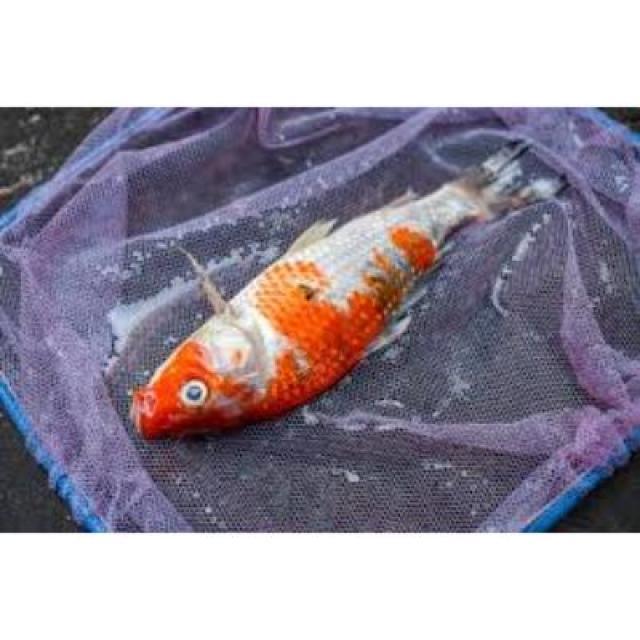
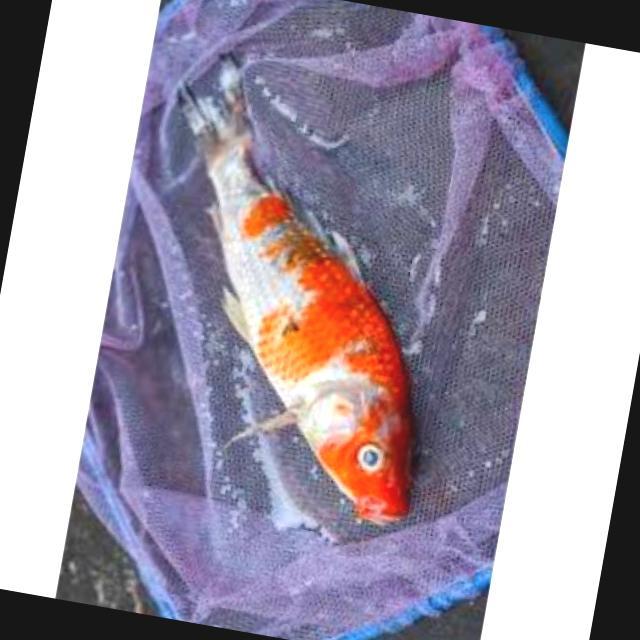
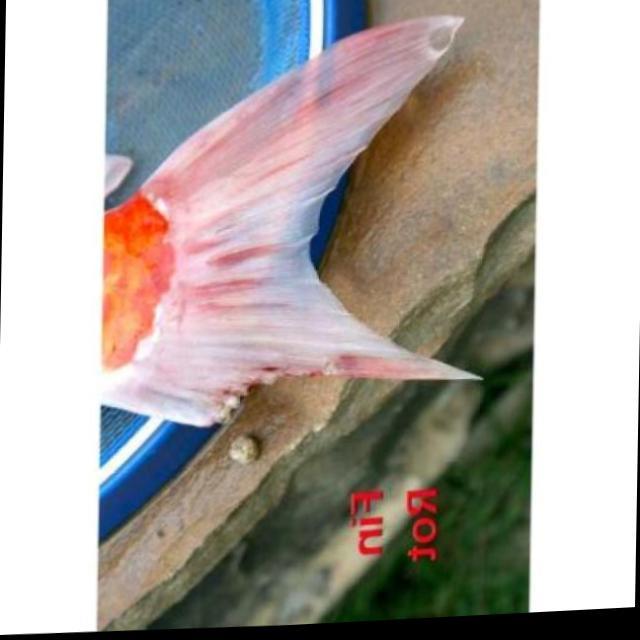
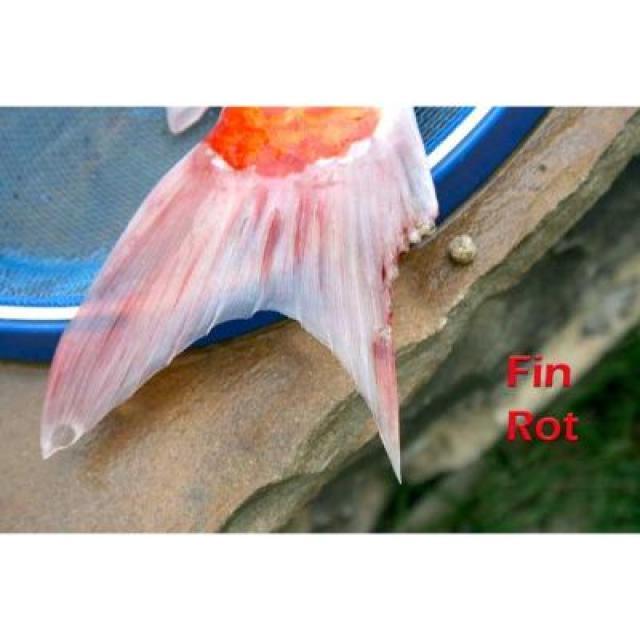

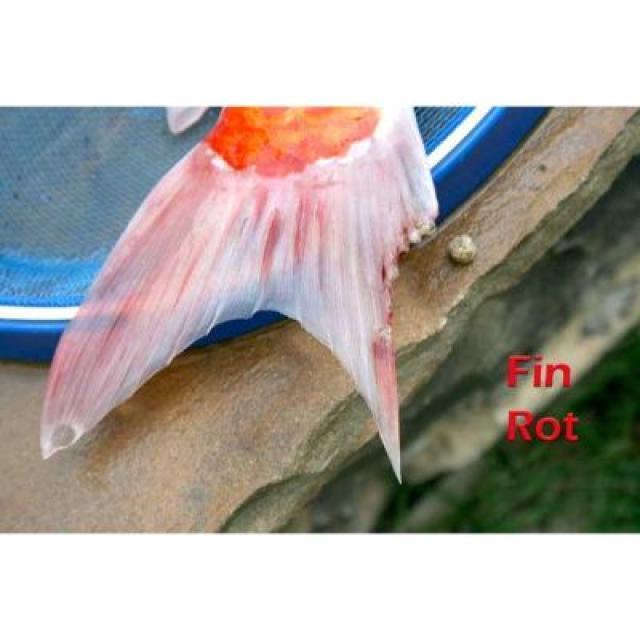
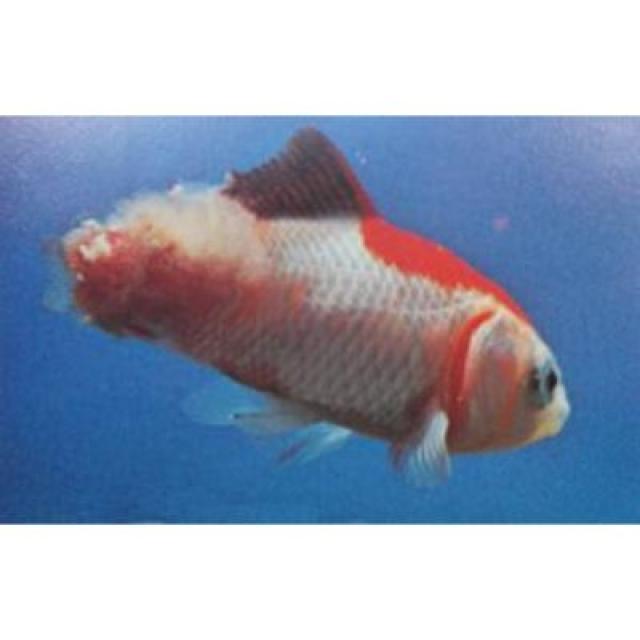
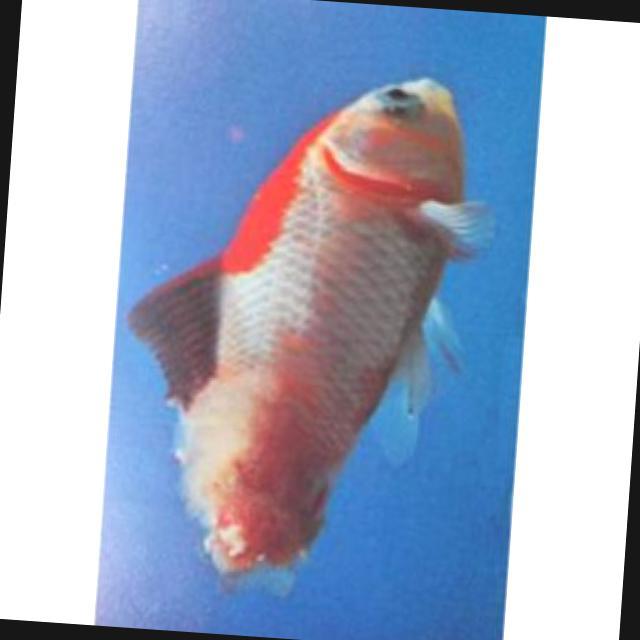

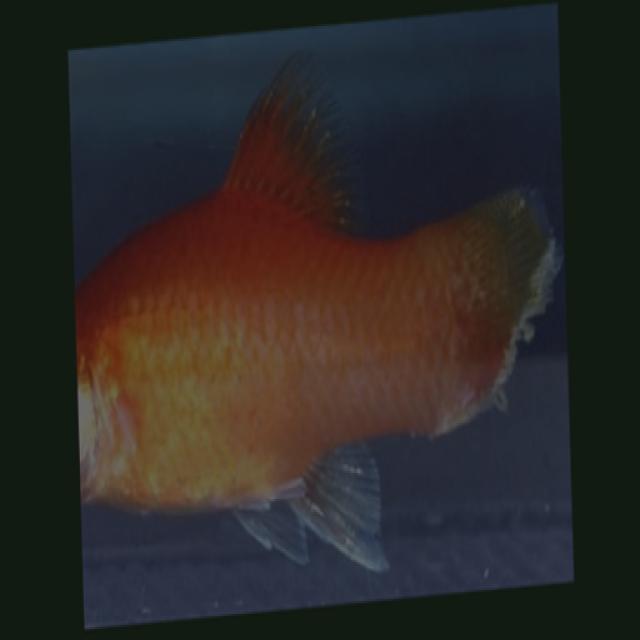
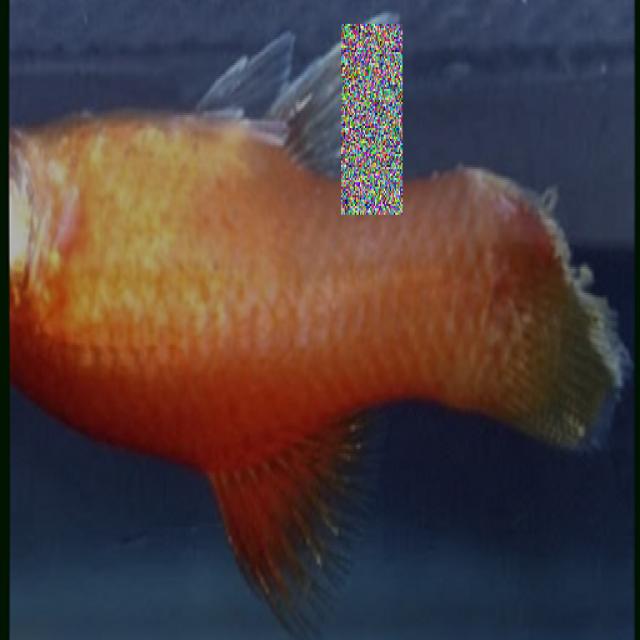
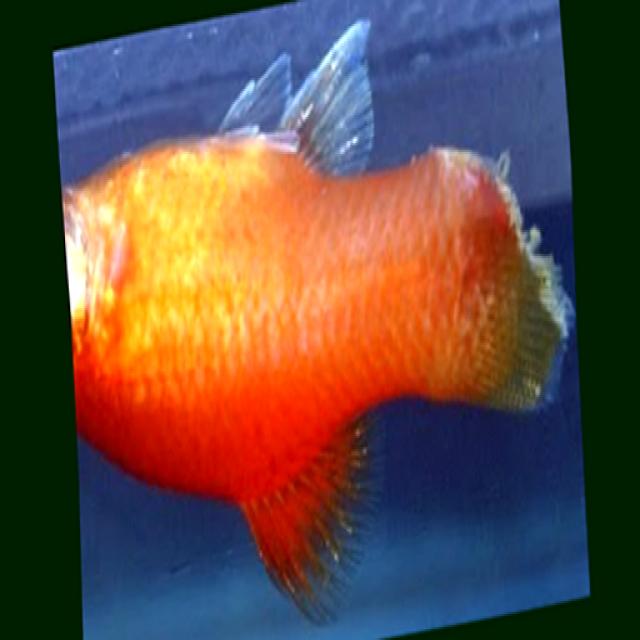
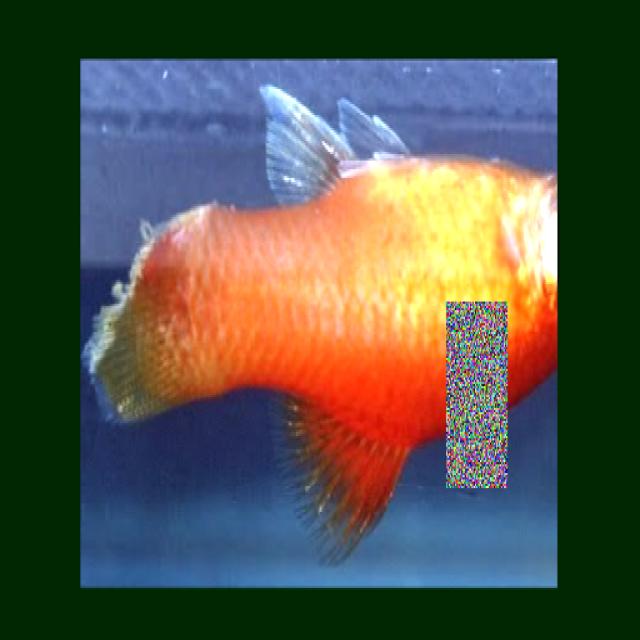
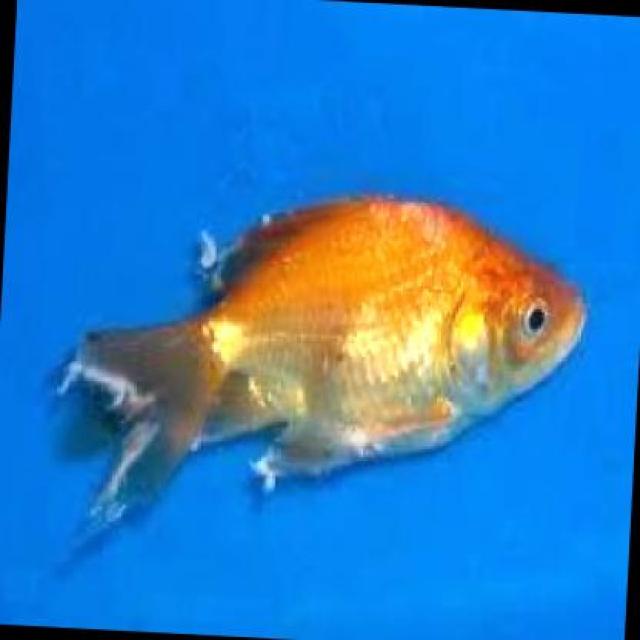

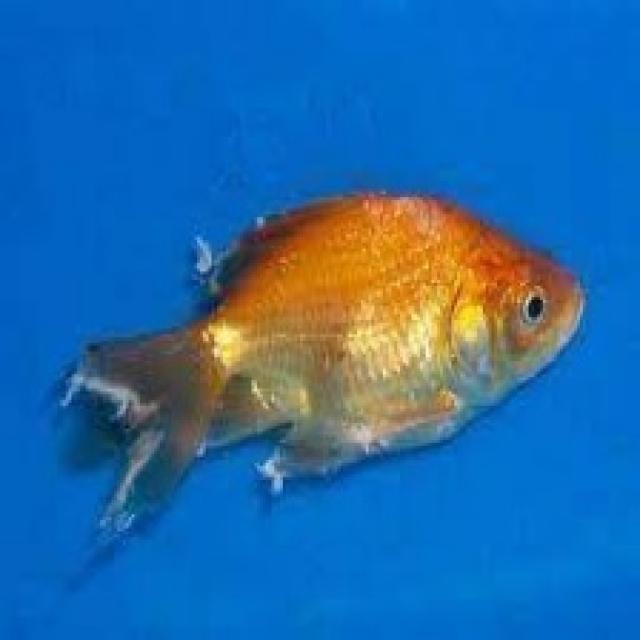
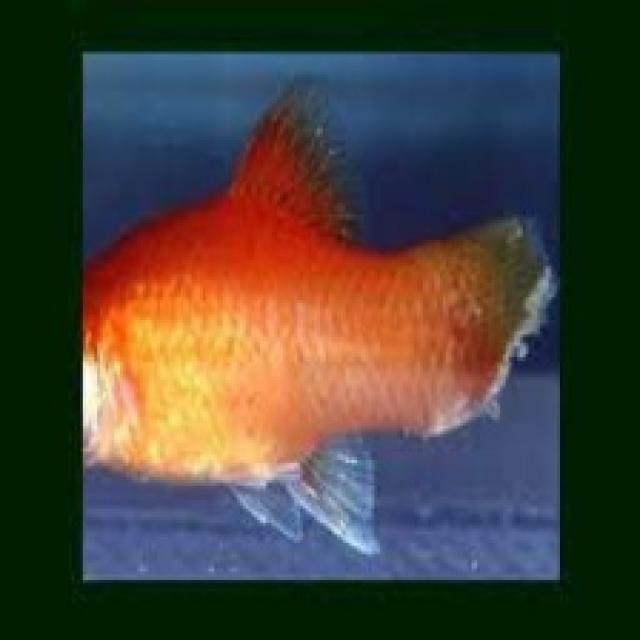


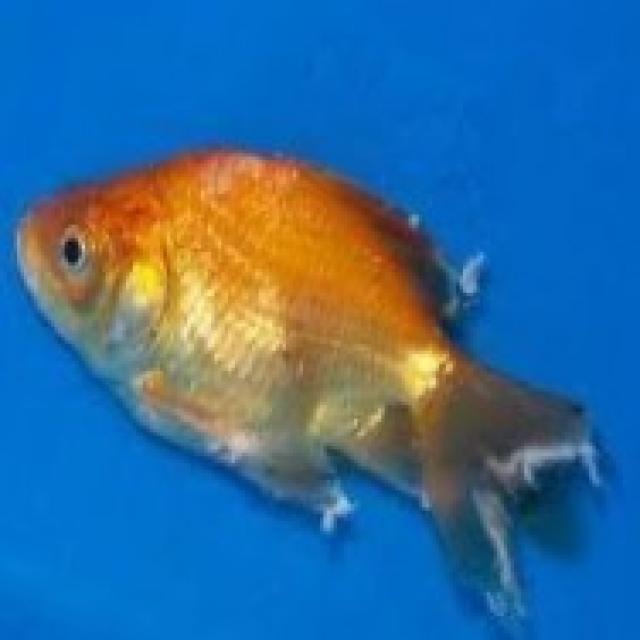
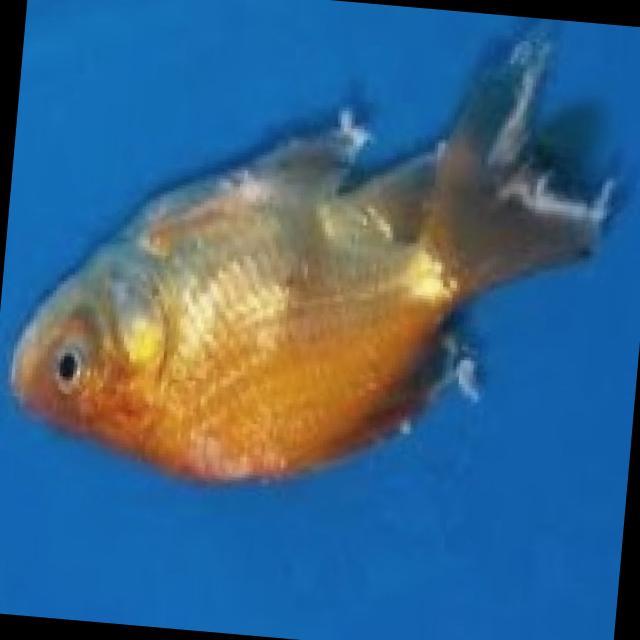

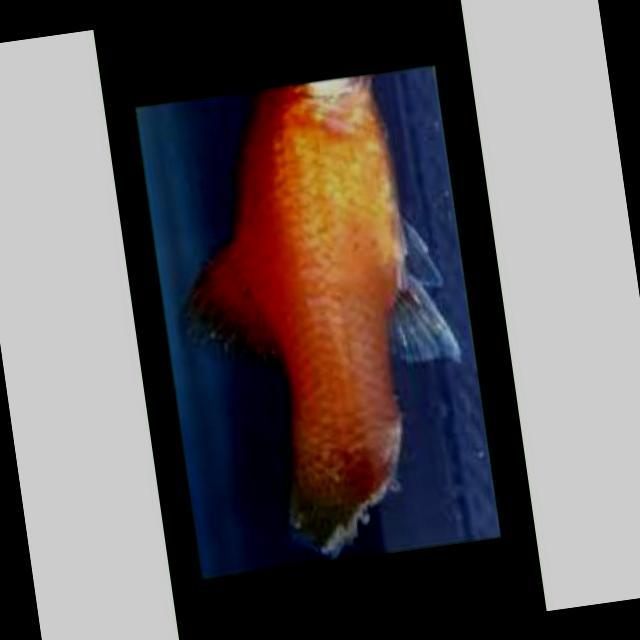
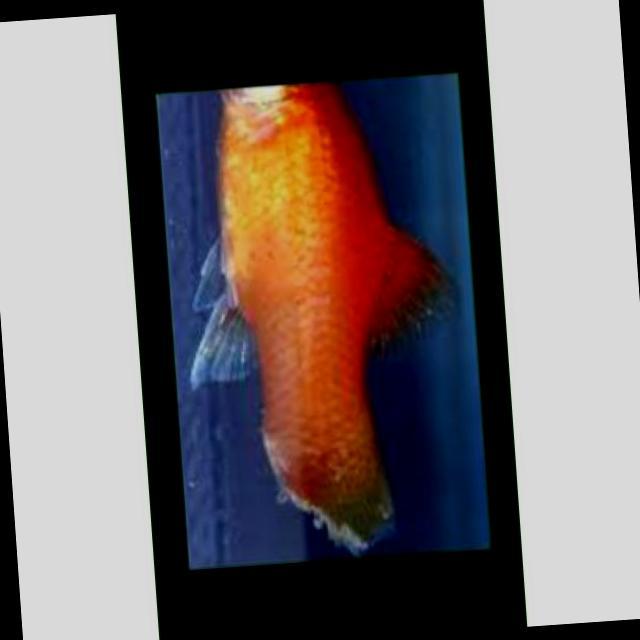
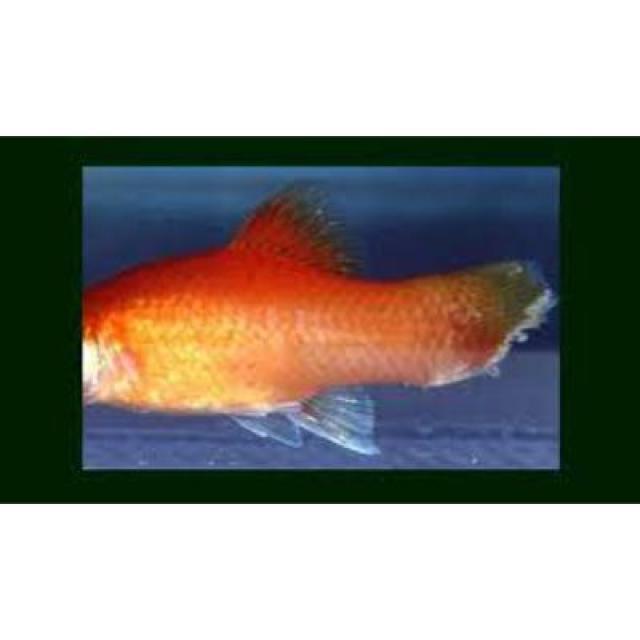
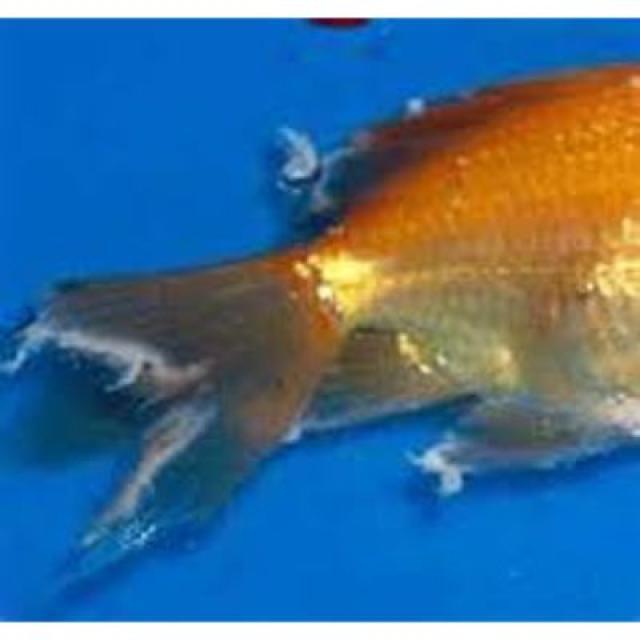
Showing 60 of 90 images in this dataset.
Causes
White tail disease (also called white muscle disease or neon tetra disease in related species) is caused by microsporidian parasites, most notably species of Pleistophora and related genera. In koi and goldfish, the infection primarily targets muscle tissue in the caudal peduncle (tail region), causing progressive destruction of muscle fibres and replacement with spore-filled cysts, resulting in the characteristic whitish, opaque discolouration of the tail region. The disease spreads horizontally through ingestion of spores released from dead or dying fish, and vertically through infected eggs. Stress, overcrowding, and poor immune status accelerate disease progression. The organism is highly resistant to most common disinfectants.
Treatment
There is currently no scientifically validated cure for microsporidian infections in koi or goldfish. Management focuses on: 1. Isolation: Immediately separate affected fish to a hospital tank to prevent horizontal transmission via waterborne spores. 2. Supportive care: Maintain optimal water quality, stable temperature (20–24 °C), and reduce stressors. Feed high-quality immune-boosting diet. 3. Fumagillin: An antibiotic that has shown activity against some microsporidia in medicated feed (prescription-only in most countries; use under veterinary guidance). 4. Euthanasia: Severely affected fish that cannot maintain equilibrium or are significantly emaciated should be humanely euthanised to prevent suffering and further spread. 5. Tank disinfection: After removal of all fish, treat the tank with bleach (sodium hypochlorite 200 mg/L for 30 min) to destroy environmental spores.
Prevention
Strict quarantine of all new fish for 6–8 weeks — microsporidian infections may have a prolonged incubation period before clinical signs appear. Never feed fish with dead conspecifics or raw fish flesh from unknown sources. Do not share nets, equipment, or water between tanks without thorough disinfection. Source fish only from reputable suppliers with documented health histories. Cull any fish showing early signs of tail whitening or loss of balance to protect the rest of the collection before spore loads build up in the environment.
Frequently Asked Questions
Is white tail disease contagious to all fish in my pond?
Yes, the disease spreads through waterborne spores released when infected fish die or shed tissue. All fish sharing the same water are potentially exposed. Prompt isolation of affected individuals is the most important containment measure.
Can the pond be used again after an outbreak?
Microsporidian spores are environmentally resistant and can persist for extended periods. After removing all fish, the pond should be drained, dried completely for several weeks, and ideally treated with a strong oxidising agent (e.g., 200 mg/L chlorine) before restocking.
Is white tail disease the same as white spot (Ich)?
No. White spot (Ichthyophthirius multifiliis) causes pinpoint white dots distributed across the body and fins, caused by a protozoan — it is very treatable. White tail disease causes a diffuse, opaque whitening of the tail musculature caused by microsporidian parasites, and is essentially incurable. They are entirely different conditions.
Causes
White tail disease (also called white muscle disease or neon tetra disease in related species) is caused by microsporidian parasites, most notably species of Pleistophora and related genera. In koi and goldfish, the infection primarily targets muscle tissue in the caudal peduncle (tail region), causing progressive destruction of muscle fibres and replacement with spore-filled cysts, resulting in the characteristic whitish, opaque discolouration of the tail region. The disease spreads horizontally through ingestion of spores released from dead or dying fish, and vertically through infected eggs. Stress, overcrowding, and poor immune status accelerate disease progression. The organism is highly resistant to most common disinfectants.
Treatment
There is currently no scientifically validated cure for microsporidian infections in koi or goldfish. Management focuses on: 1. Isolation: Immediately separate affected fish to a hospital tank to prevent horizontal transmission via waterborne spores. 2. Supportive care: Maintain optimal water quality, stable temperature (20–24 °C), and reduce stressors. Feed high-quality immune-boosting diet. 3. Fumagillin: An antibiotic that has shown activity against some microsporidia in medicated feed (prescription-only in most countries; use under veterinary guidance). 4. Euthanasia: Severely affected fish that cannot maintain equilibrium or are significantly emaciated should be humanely euthanised to prevent suffering and further spread. 5. Tank disinfection: After removal of all fish, treat the tank with bleach (sodium hypochlorite 200 mg/L for 30 min) to destroy environmental spores.
Prevention
Strict quarantine of all new fish for 6–8 weeks — microsporidian infections may have a prolonged incubation period before clinical signs appear. Never feed fish with dead conspecifics or raw fish flesh from unknown sources. Do not share nets, equipment, or water between tanks without thorough disinfection. Source fish only from reputable suppliers with documented health histories. Cull any fish showing early signs of tail whitening or loss of balance to protect the rest of the collection before spore loads build up in the environment.