Goldfish · Koi
Fungal Diseases in Koi & Goldfish
<p>Fungal diseases — most commonly caused by water moulds of the genus <em>Saprolegnia</em> — are a frequent secondary complication in koi and goldfish that have suffered physical trauma, bacterial in
Severity: Moderate
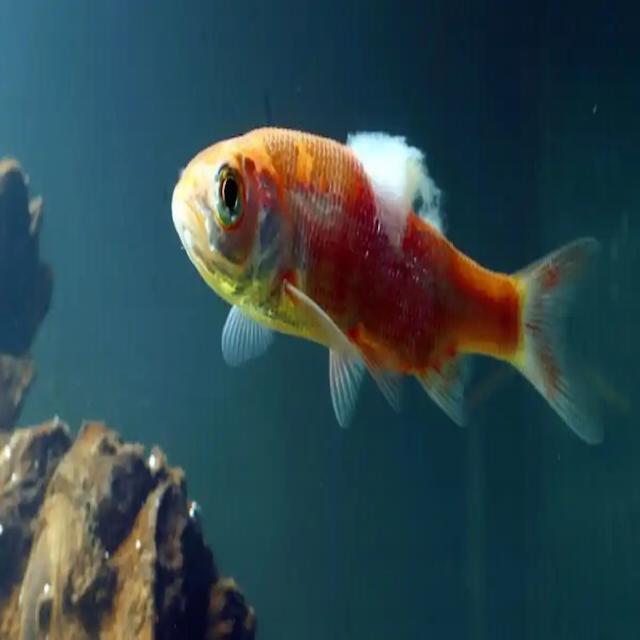
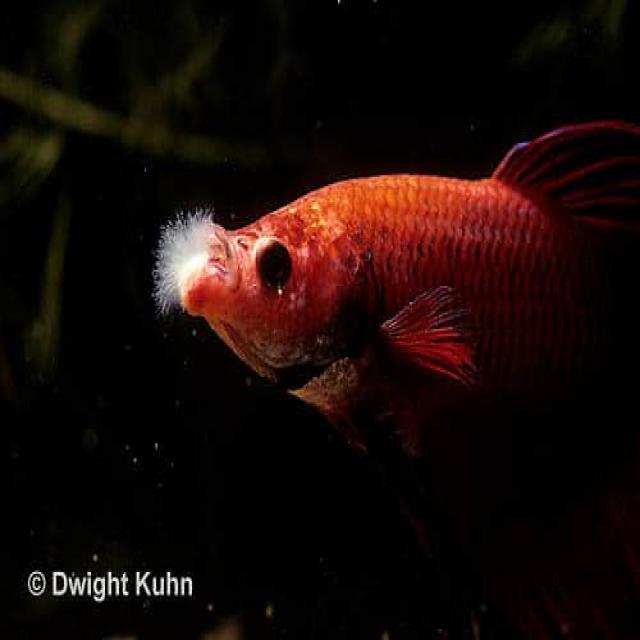
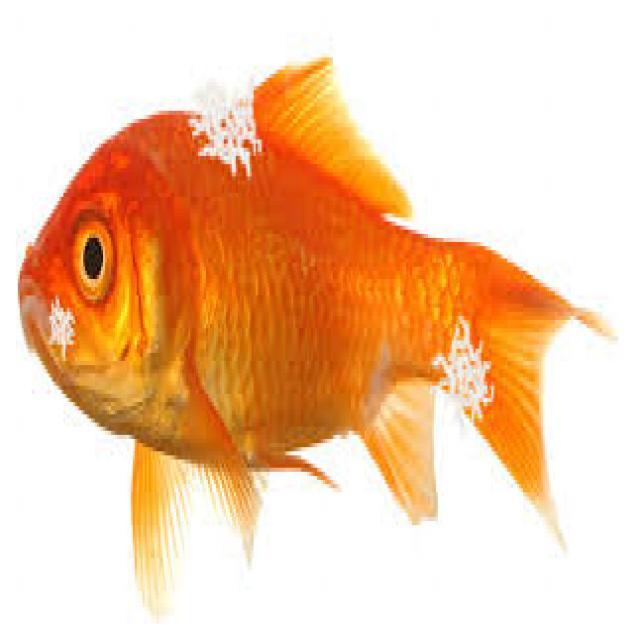
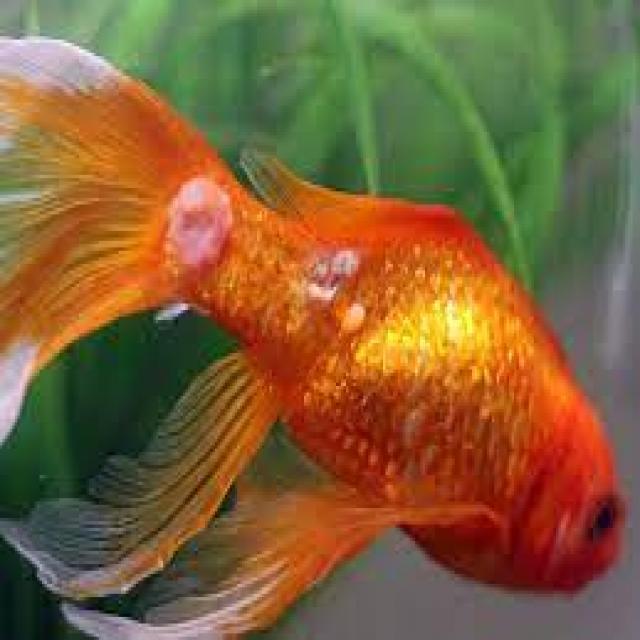
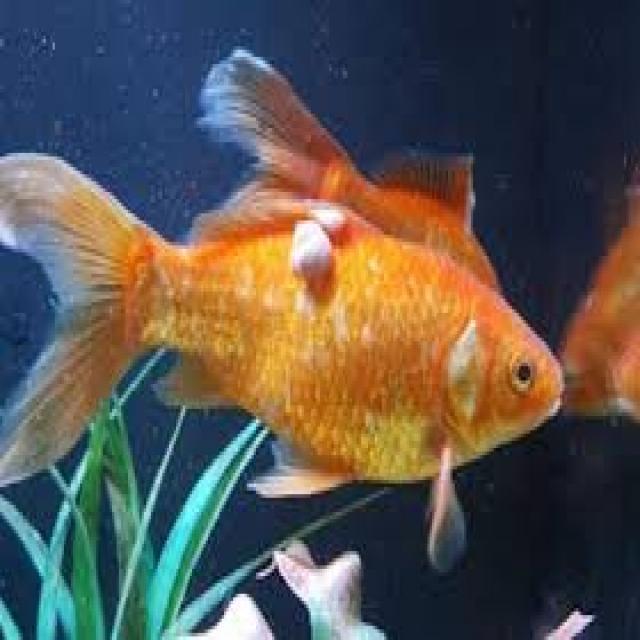
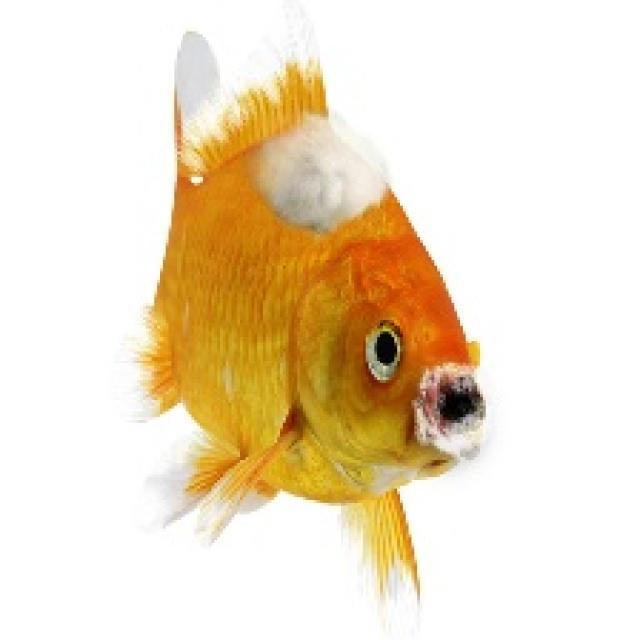
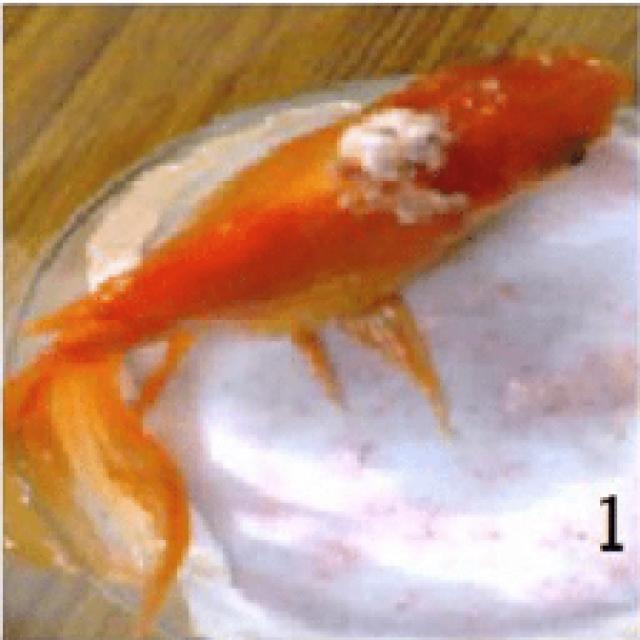
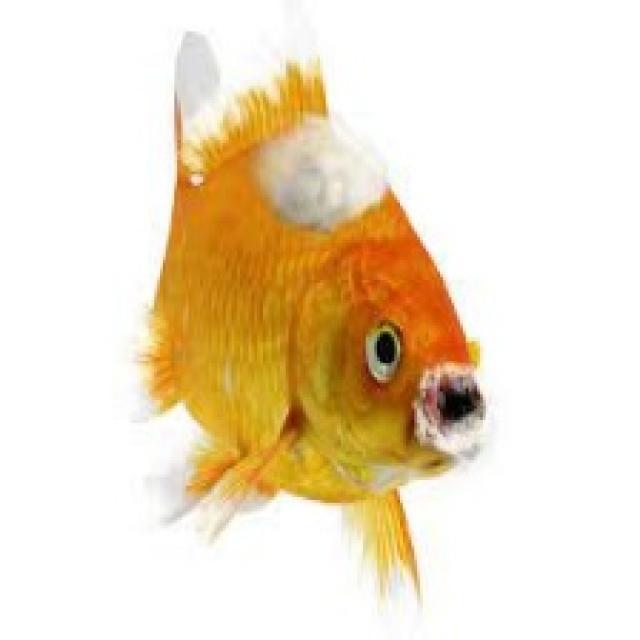
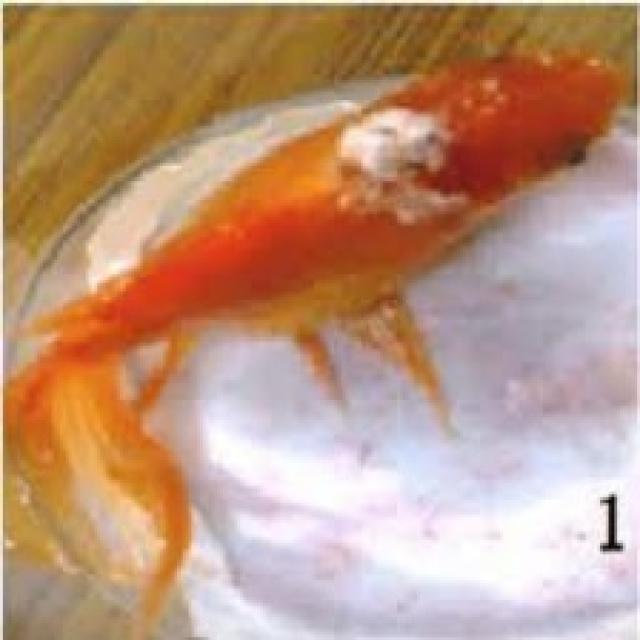
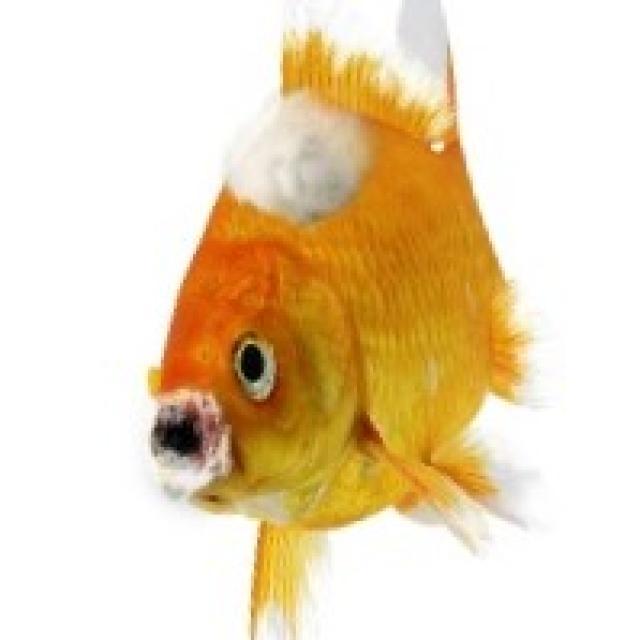
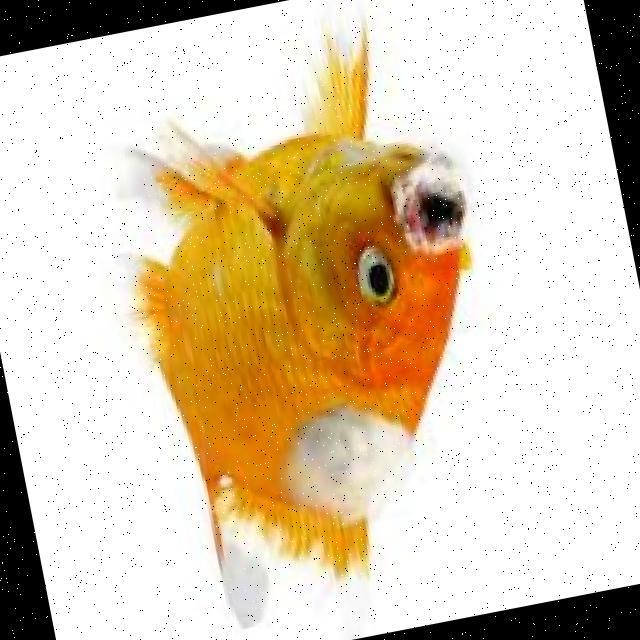
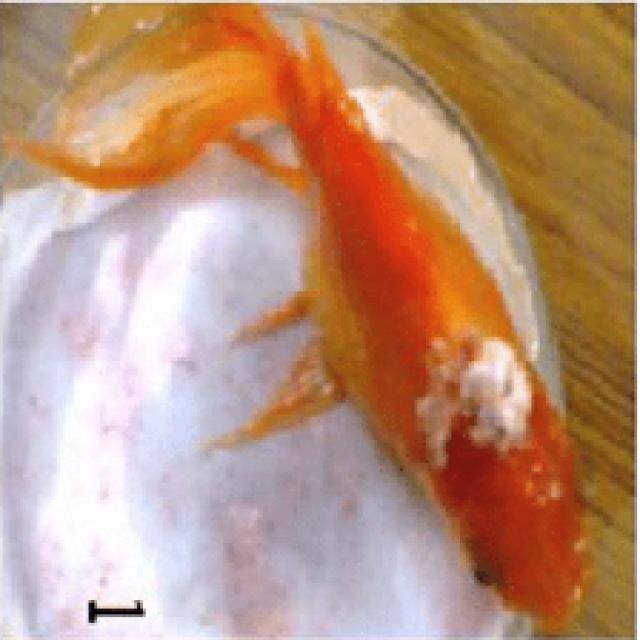
Fungal diseases — most commonly caused by water moulds of the genus Saprolegnia — are a frequent secondary complication in koi and goldfish that have suffered physical trauma, bacterial infection, or prolonged stress. The characteristic white or grey cotton-like growths are visually distinctive and often alarming to fish keepers.
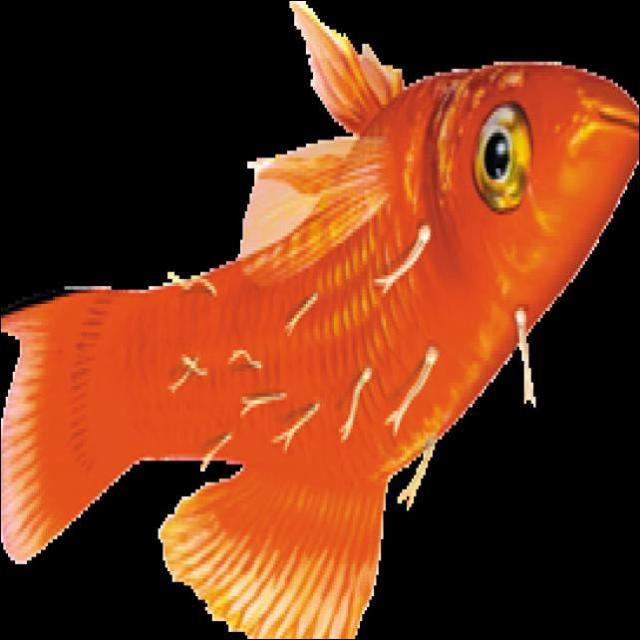
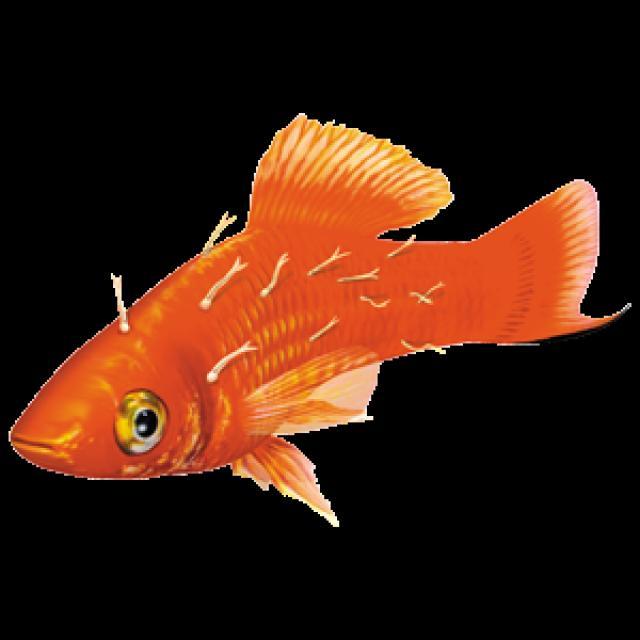
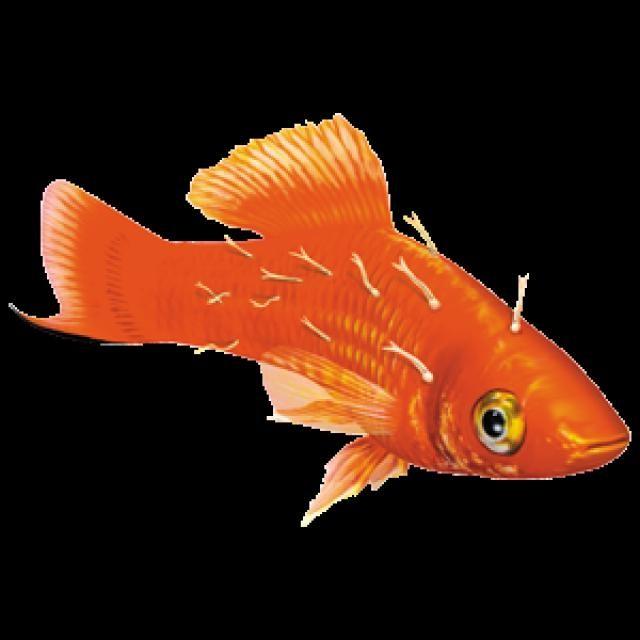
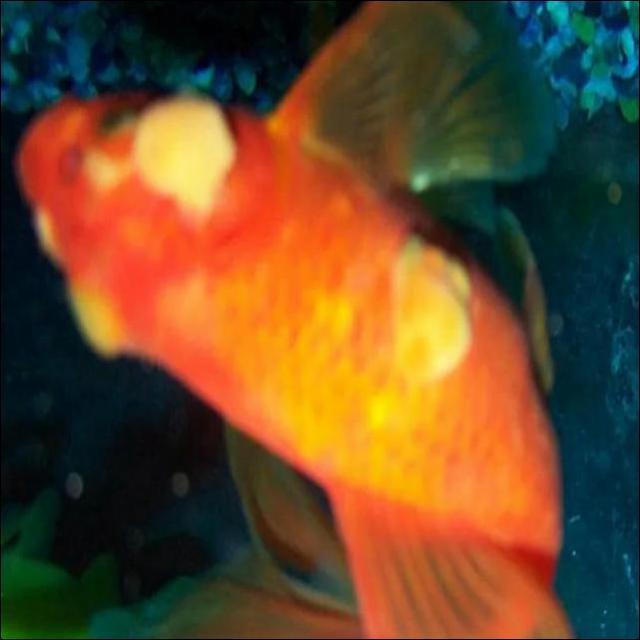
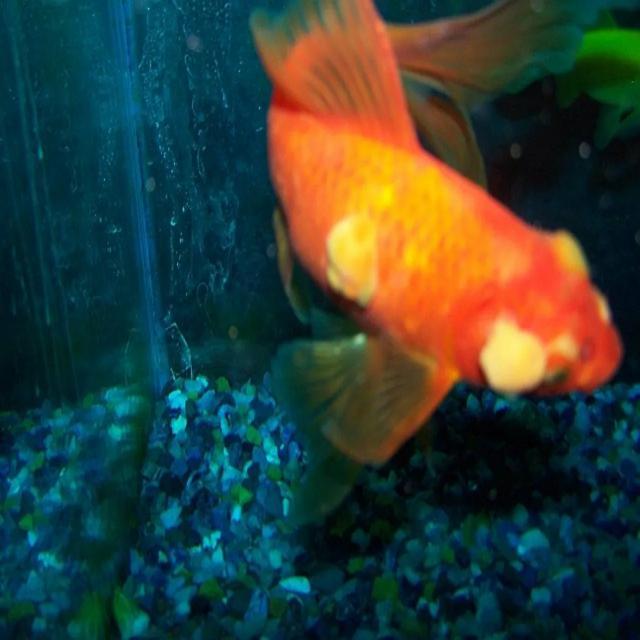
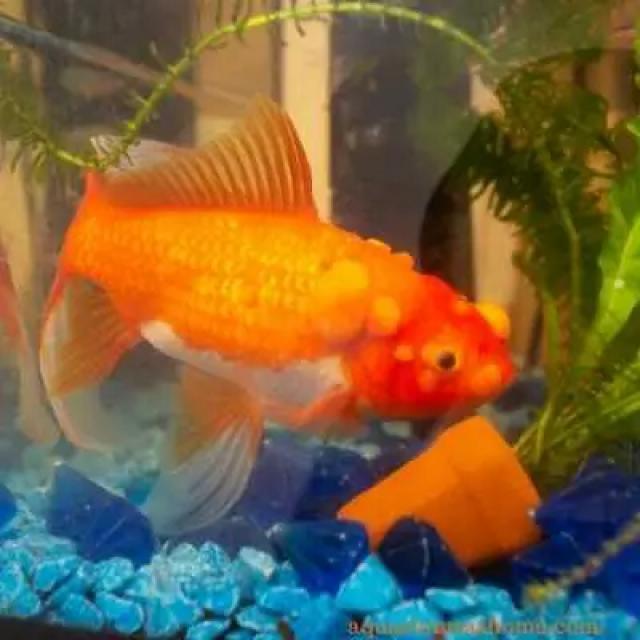
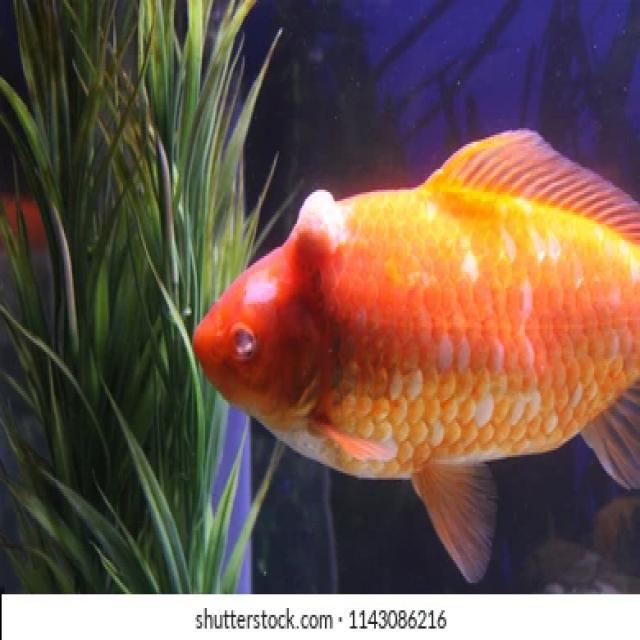
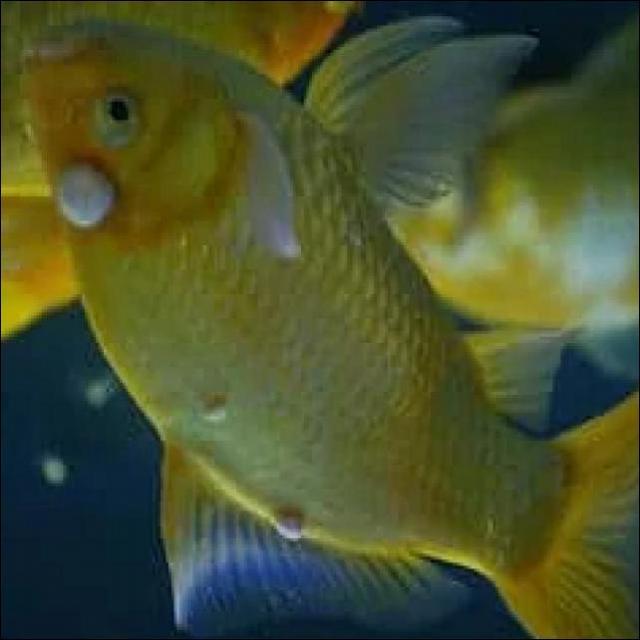
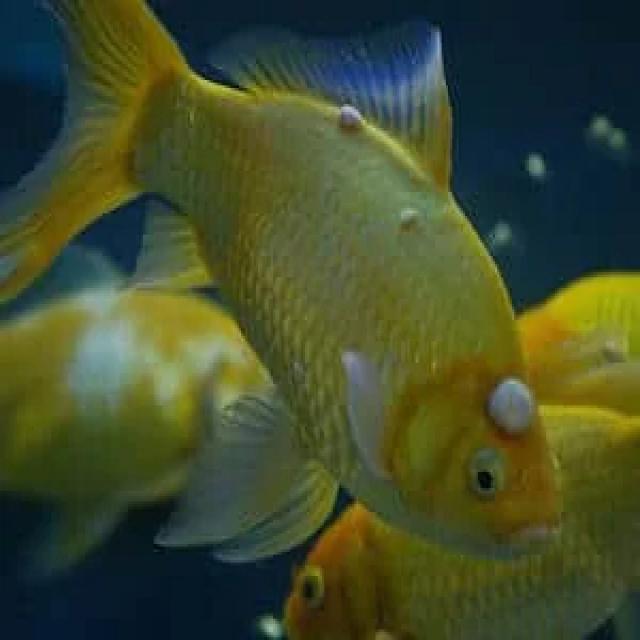
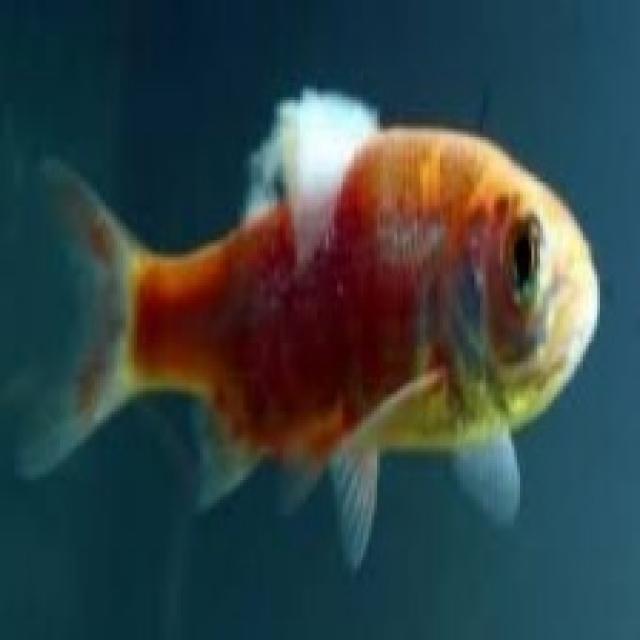
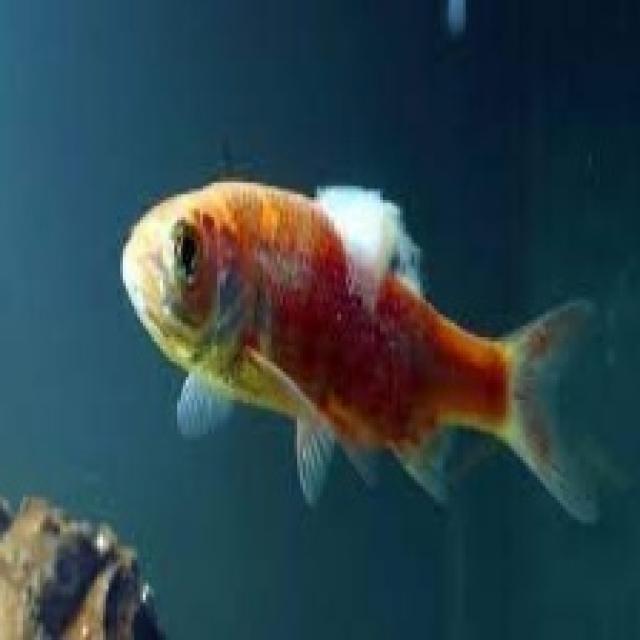
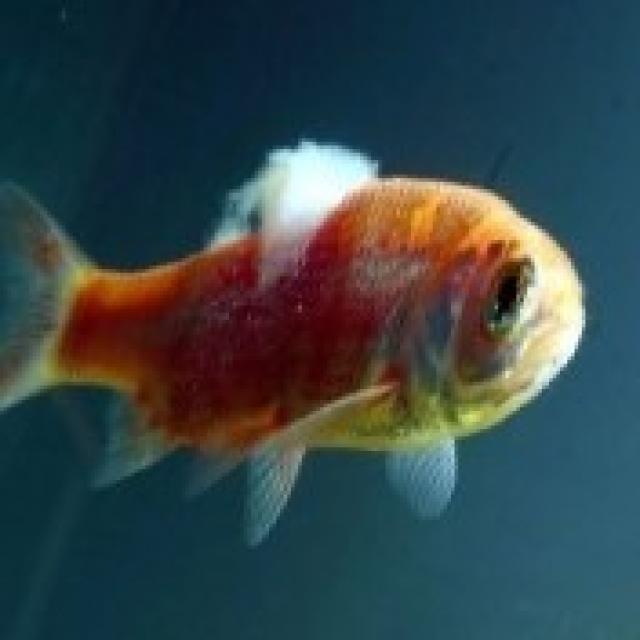
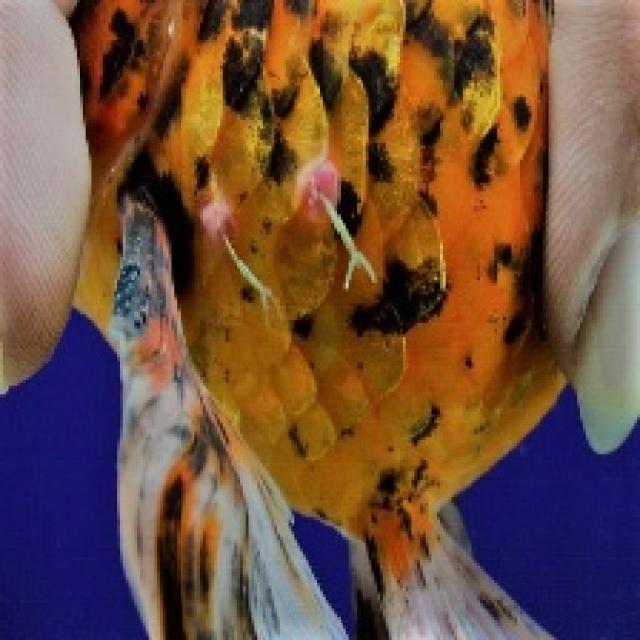
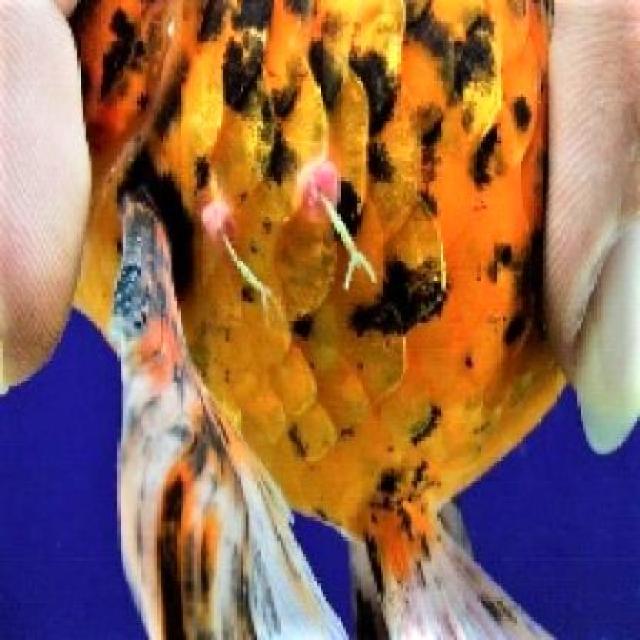
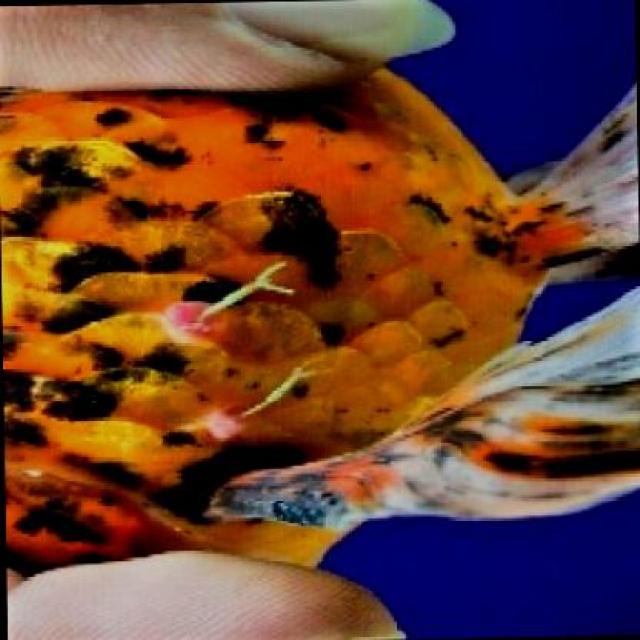
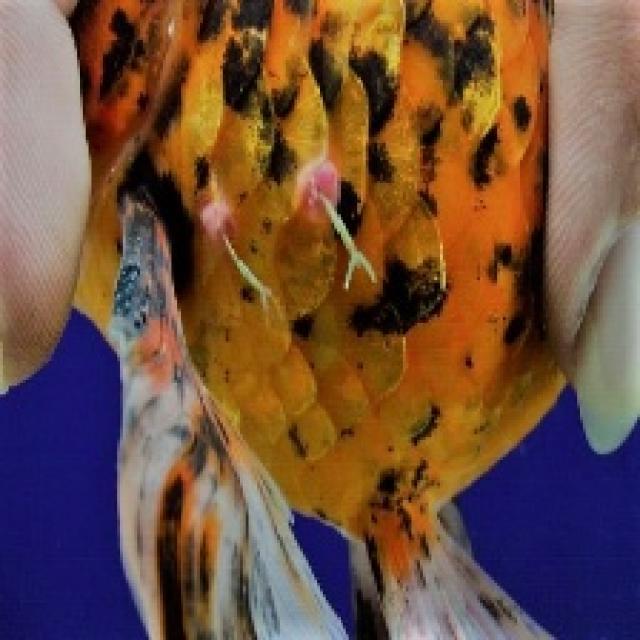
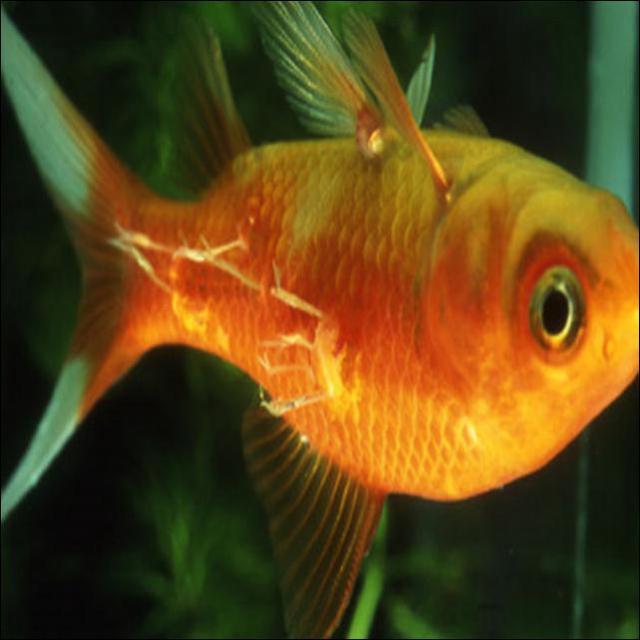
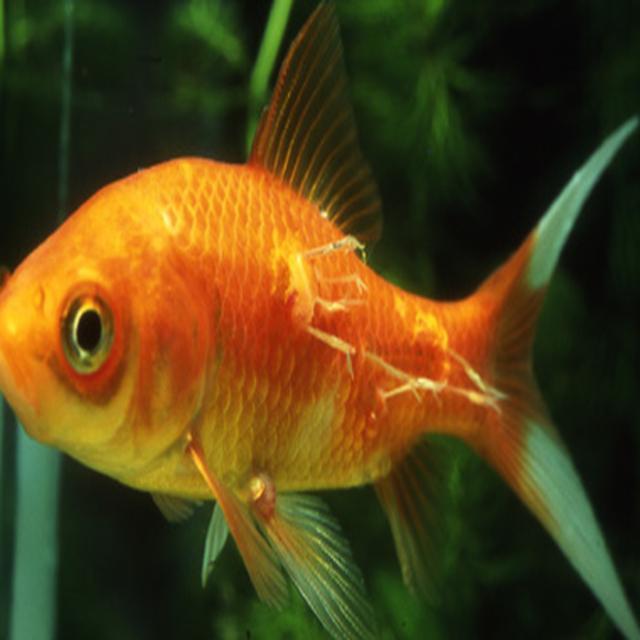
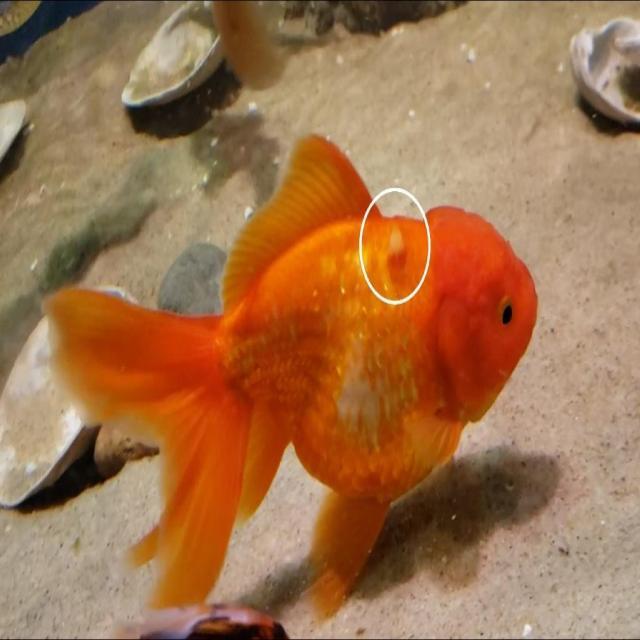
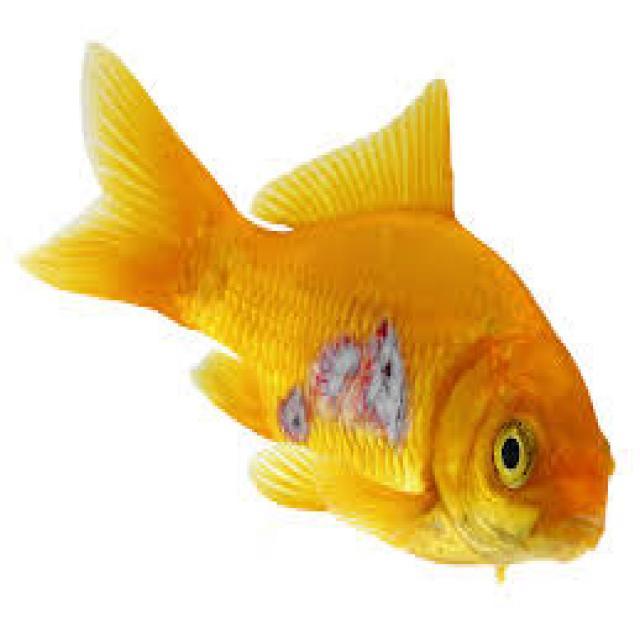
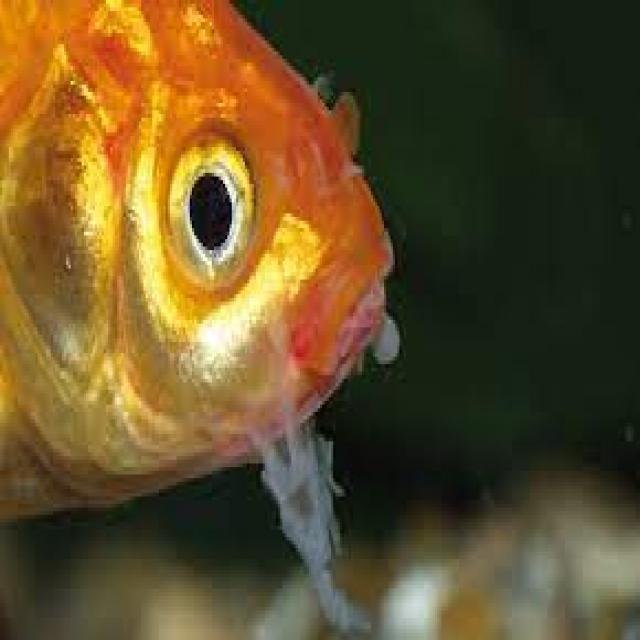
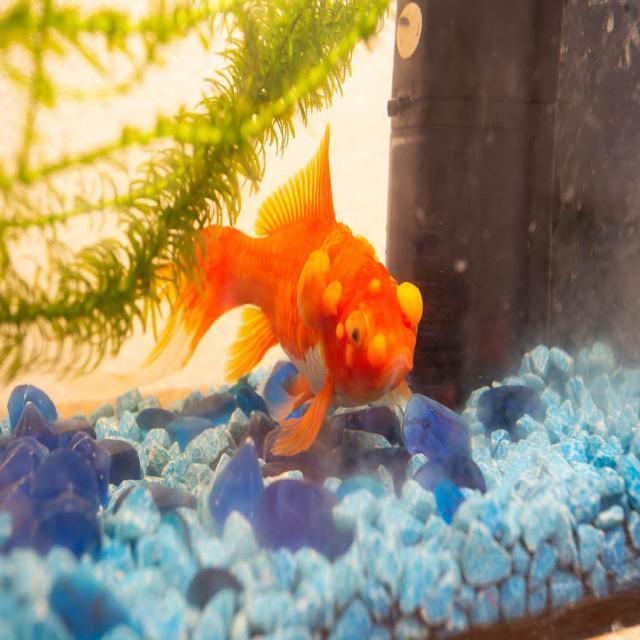
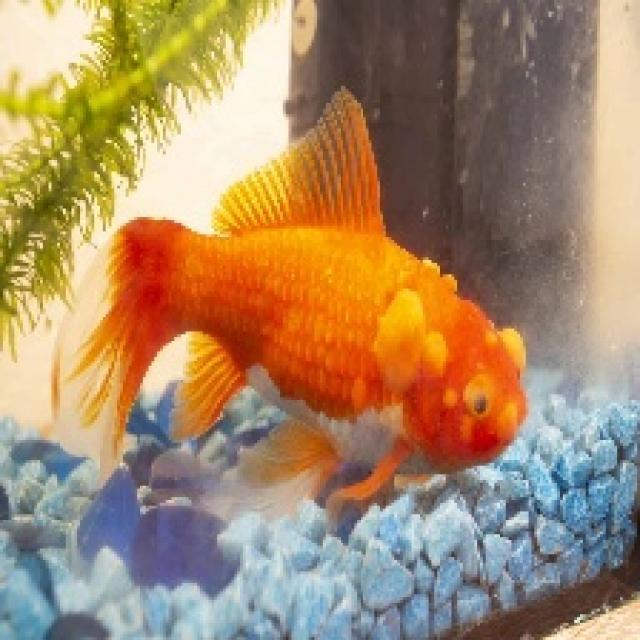
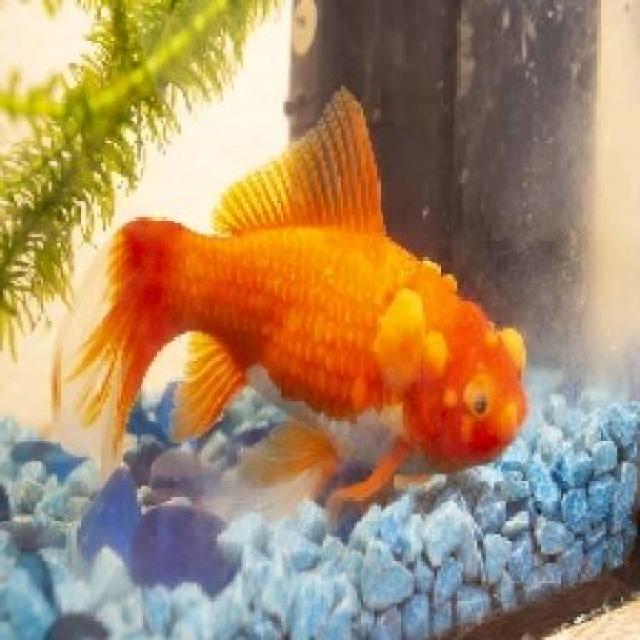
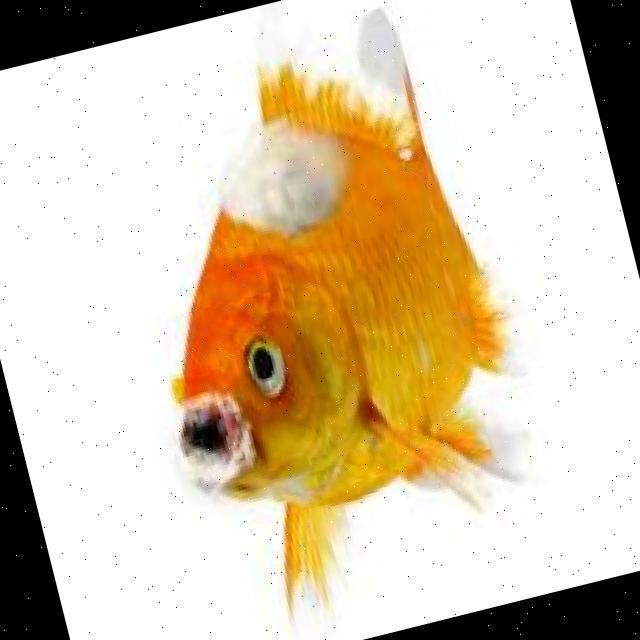
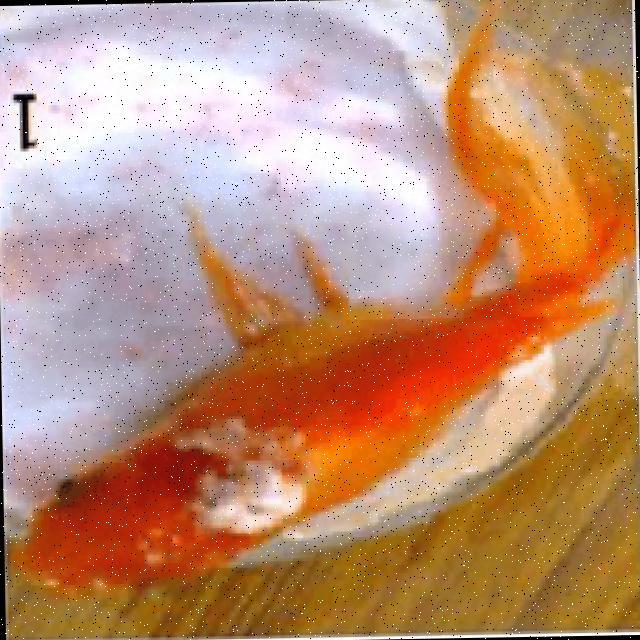
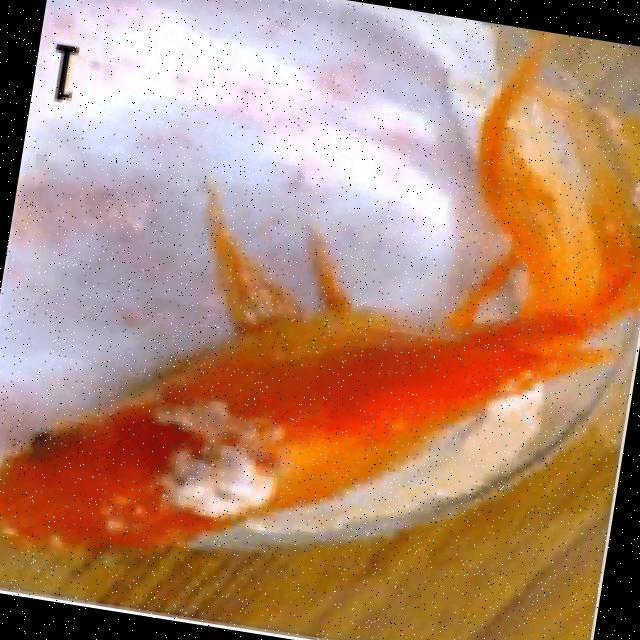
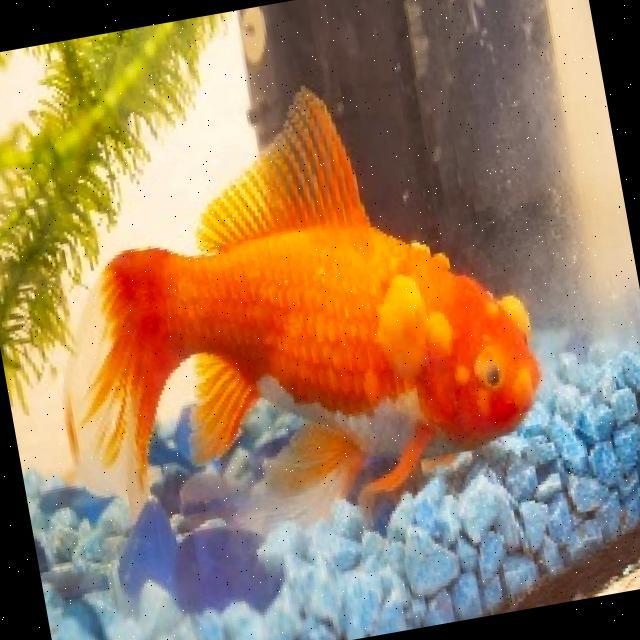
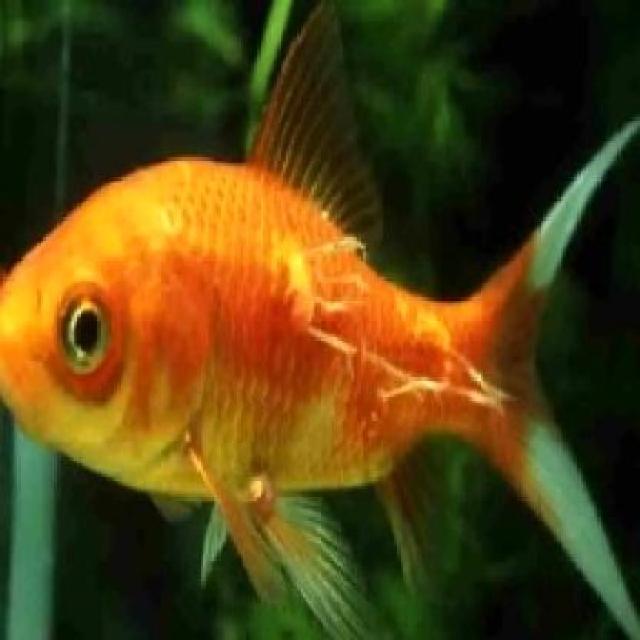
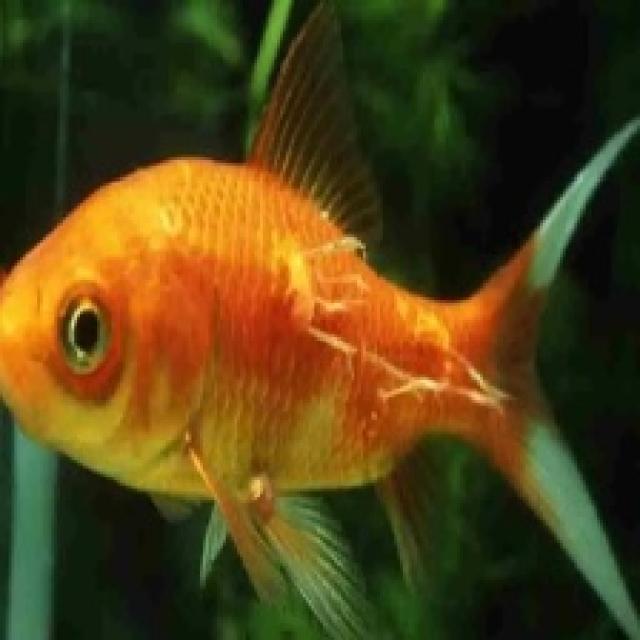
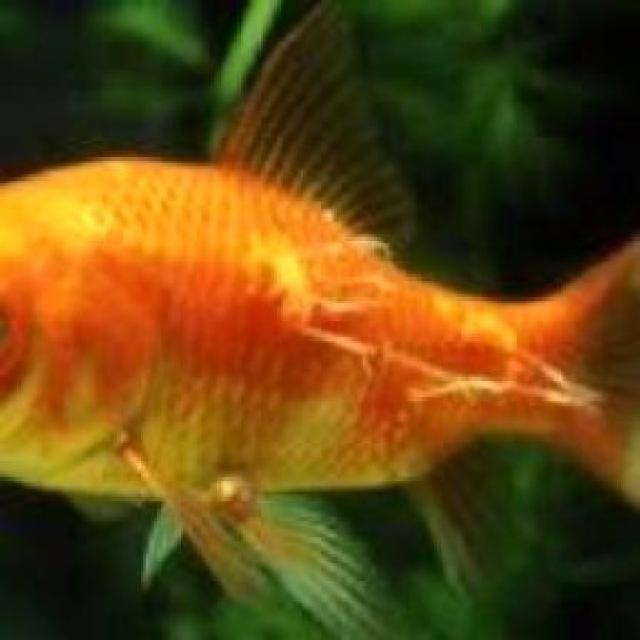
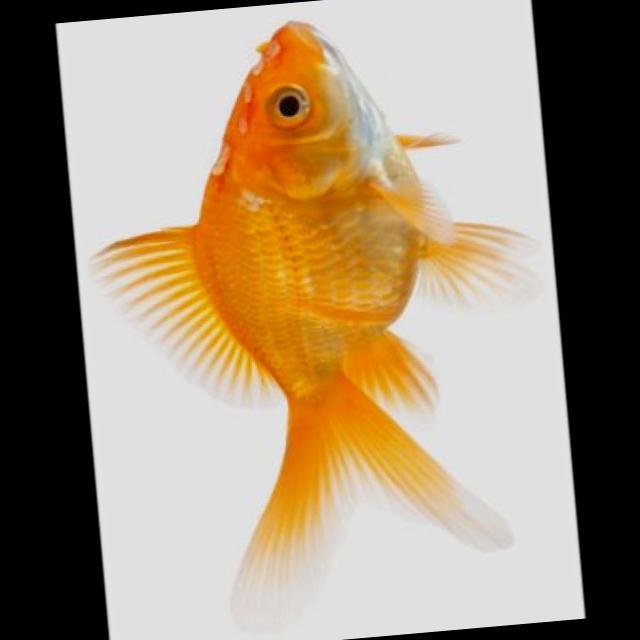
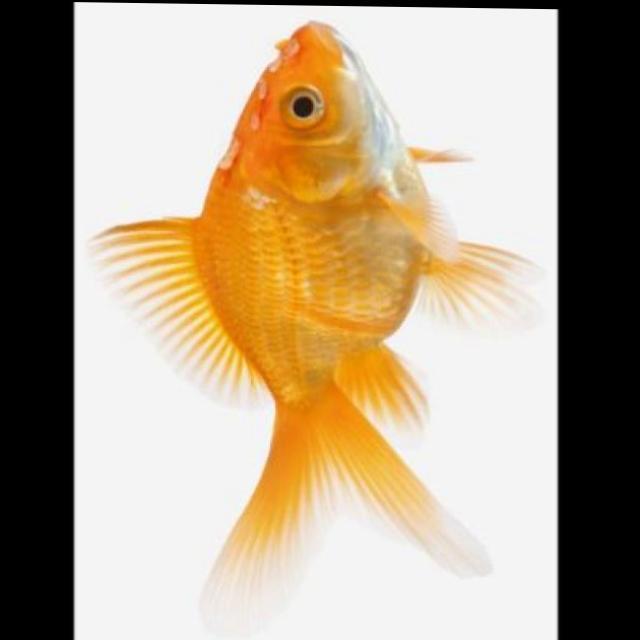
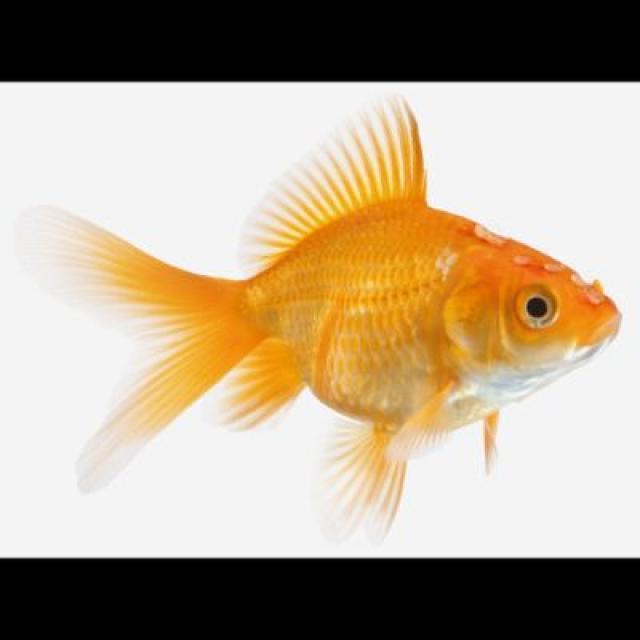
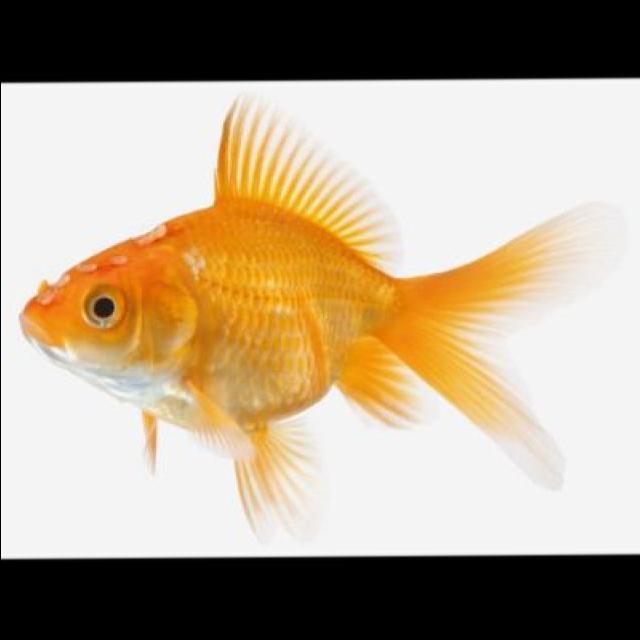
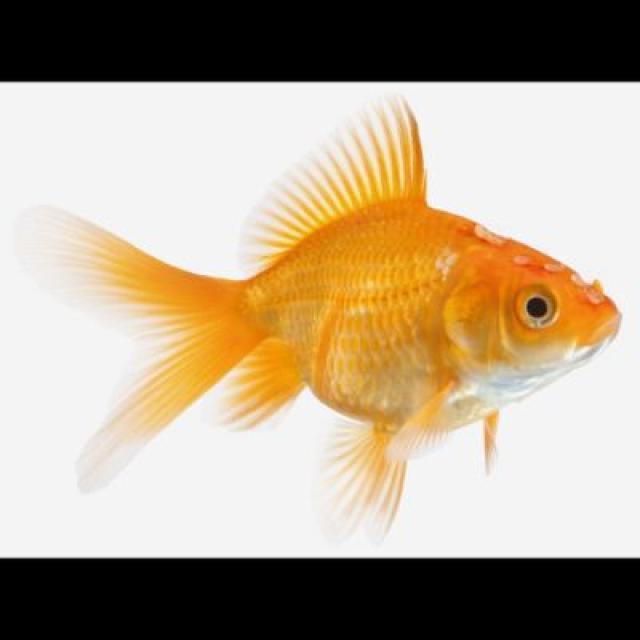
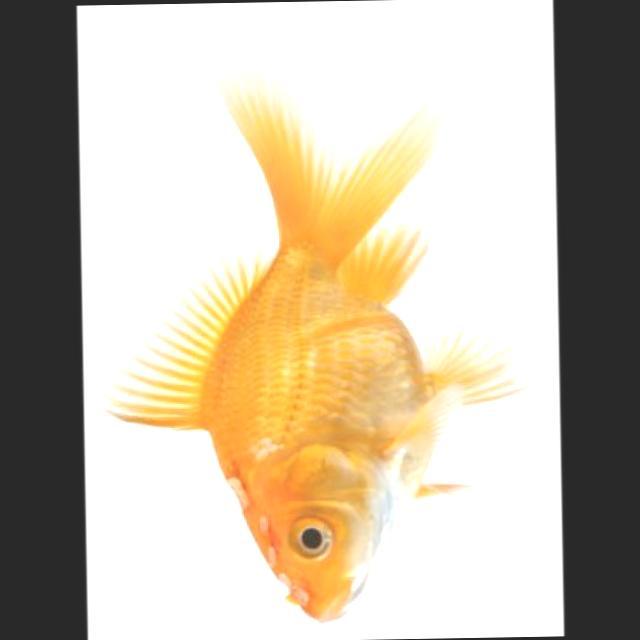
The image gallery below documents fungal infection presentations across koi and goldfish, ranging from early localised lesions to advanced systemic involvement, as captured in the FishyFarmacy AI disease-detection training dataset.
Disease Image Gallery






Causes
Fungal diseases in koi and goldfish are predominantly caused by water moulds in the order Saprolegniales, with Saprolegnia parasitica and Saprolegnia ferax being the most clinically significant species. Gill rot is typically associated with Branchiomyces sanguinis or B. demigrans. These organisms are ubiquitous in freshwater environments and act as secondary pathogens, colonising pre-existing wounds, areas of dead skin, or tissue damaged by primary bacterial or parasitic infections. Predisposing factors include water temperatures below 15 °C, poor water quality, physical trauma, and immunosuppression. Eggs are particularly susceptible during incubation.
Treatment
1. Salt bath: 0.3–0.5% non-iodised salt (3–5 g/L) is effective for mild Saprolegnia; salt inhibits hyphal growth and reduces osmotic stress. 2. Potassium permanganate: Dip at 10 mg/L for 30 minutes (supervised), or pond treatment at 2–4 mg/L for indefinite use (until water clears to pink). Highly effective against Saprolegnia. 3. Hydrogen peroxide: 150 mg/L for 30-minute bath as an alternative to KMnO₄, particularly effective for gill infections. 4. Malachite green (where legally permitted): 0.1–0.2 mg/L as a pond treatment; highly fungicidal but banned for food fish in many jurisdictions. 5. Remove necrotic tissue: Under sedation if needed, trim affected tissue and apply povidone-iodine directly to lesions before returning fish to treated water.
Prevention
Maintain water temperature above 15 °C where possible during vulnerable periods. Handle fish carefully to avoid scale and slime-coat damage — these are the primary entry points. Treat any bacterial or parasitic infections promptly to prevent secondary fungal colonisation. Maintain good water quality with adequate oxygenation. For egg incubation, use methylene blue (2 mg/L) in the incubation water to suppress fungal growth. Quarantine injured or recently transported fish and monitor closely.
Frequently Asked Questions
Is the white cotton-like growth always a fungus?
Not always. Columnaris bacterial infection can produce pale, fluffy lesions that resemble fungal growth. The key visual distinction is that true fungal hyphae (Saprolegnia) appear as wispy, thread-like tufts, often with a three-dimensional, almost hair-like texture. A microscope confirms the diagnosis.
Can fungal disease spread to other fish?
Saprolegnia spores are waterborne and can spread within the same tank or pond, but healthy fish with intact slime coats are largely resistant. Fish with wounds, abrasions, or weakened immunity are at highest risk. Isolating affected fish is good practice.
Why do fungal infections come back repeatedly?
Recurrence usually indicates an underlying primary condition — bacterial ulcers, parasitic damage, or chronic poor water quality — that keeps creating entry points. Treating only the fungus without addressing the root cause leads to persistent re-infection.
Causes
Fungal diseases in koi and goldfish are predominantly caused by water moulds in the order Saprolegniales, with Saprolegnia parasitica and Saprolegnia ferax being the most clinically significant species. Gill rot is typically associated with Branchiomyces sanguinis or B. demigrans. These organisms are ubiquitous in freshwater environments and act as secondary pathogens, colonising pre-existing wounds, areas of dead skin, or tissue damaged by primary bacterial or parasitic infections. Predisposing factors include water temperatures below 15 °C, poor water quality, physical trauma, and immunosuppression. Eggs are particularly susceptible during incubation.
Treatment
1. Salt bath: 0.3–0.5% non-iodised salt (3–5 g/L) is effective for mild Saprolegnia; salt inhibits hyphal growth and reduces osmotic stress. 2. Potassium permanganate: Dip at 10 mg/L for 30 minutes (supervised), or pond treatment at 2–4 mg/L for indefinite use (until water clears to pink). Highly effective against Saprolegnia. 3. Hydrogen peroxide: 150 mg/L for 30-minute bath as an alternative to KMnO₄, particularly effective for gill infections. 4. Malachite green (where legally permitted): 0.1–0.2 mg/L as a pond treatment; highly fungicidal but banned for food fish in many jurisdictions. 5. Remove necrotic tissue: Under sedation if needed, trim affected tissue and apply povidone-iodine directly to lesions before returning fish to treated water.
Recommended equipment
Hardware that prevents, monitors, or treats this condition — listed with the most important first.
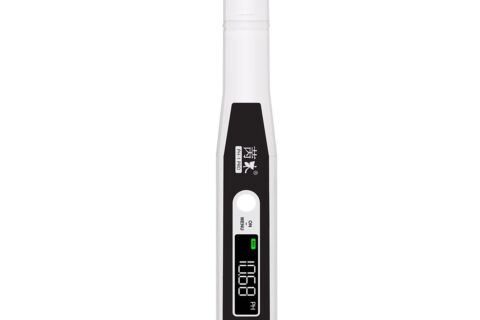
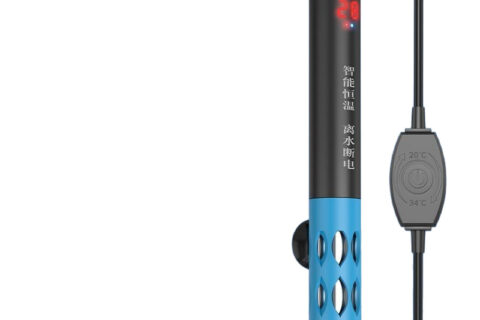
Temperature Control
Aquarium Heater
Ich outbreaks, stress from temperature swings
from $15–$100
View details →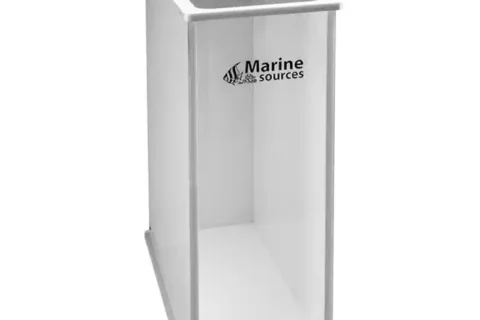

Treatment Tools
Salt / Dip Treatment Station
Salt dip and bath treatment for external parasites
from $20–$80
View details →Prevention
Maintain water temperature above 15 °C where possible during vulnerable periods. Handle fish carefully to avoid scale and slime-coat damage — these are the primary entry points. Treat any bacterial or parasitic infections promptly to prevent secondary fungal colonisation. Maintain good water quality with adequate oxygenation. For egg incubation, use methylene blue (2 mg/L) in the incubation water to suppress fungal growth. Quarantine injured or recently transported fish and monitor closely.