Freshwater Tropical · Goldfish · Koi & Pond
Fin Rot
Progressive deterioration of fin tissue caused by opportunistic bacteria — usually a symptom of poor water quality.
Severity: Mild
Fin rot is rarely a primary disease — it is the visible end of a chain that starts with water-quality problems and ends with secondary bacterial colonisation. The fins appear ragged, the edges fray, and white-grey margins develop.
Causes
Ammonia and nitrite spikes, sustained low pH, aggressive tank-mates that nip fins (creating entry wounds), and overcrowding. The bacteria involved (Aeromonas, Pseudomonas, Vibrio) are everywhere — they just exploit damaged tissue.
Treatment
Correct water quality first — 50% water change, test ammonia/nitrite/nitrate. Treat with a broad-spectrum antibiotic like **Nitrofuracin Green** in the water for 7 days. Severe cases benefit from adding kanamycin to the food.
Recommended medications
Antibiotic
Nitrofuracin Green
Wide-spectrum antibacterial and antifungal. Excellent for new fish, ammonia burn, transport stress, and quarantine.
from $32.00
Antibiotic
Koi Fix For Water
Water-borne version of Koi Fix — use when the fish are too sick to eat. Targets surface bacterial…
from $48.00
Recommended equipment
Hardware that prevents, monitors, or treats this condition — listed with the most important first.
Monitoring
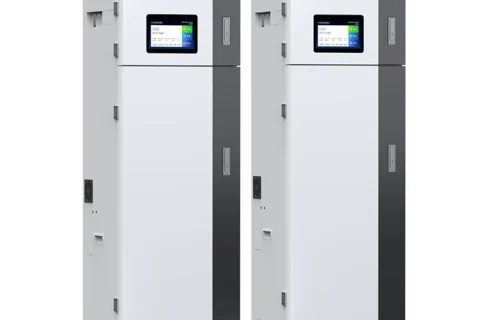
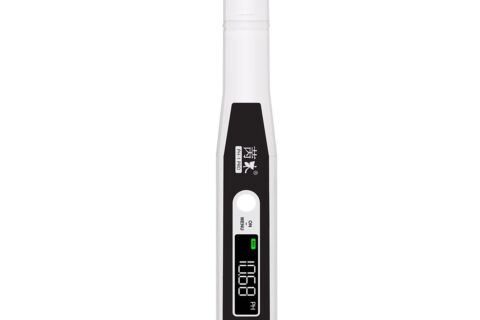
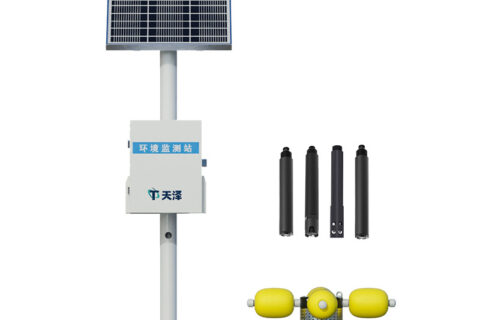
Water Quality Sensor Hub
Multi-parameter disease prevention
from $200–$5000
View details →Prevention
Weekly partial water changes, proper stocking densities, and removal of fin-nipping tank-mates.