Goldfish · Koi
Bacterial Diseases in Koi & Goldfish
<p>Bacterial diseases are among the most common and serious health challenges facing koi and goldfish keepers worldwide. Caused primarily by opportunistic gram-negative bacteria such as <em>Aeromonas
Severity: Moderate To To To Severe
Bacterial diseases are among the most common and serious health challenges facing koi and goldfish keepers worldwide. Caused primarily by opportunistic gram-negative bacteria such as Aeromonas hydrophila, Pseudomonas fluorescens, and Flavobacterium columnare, these infections typically strike fish that are already stressed or immunocompromised.
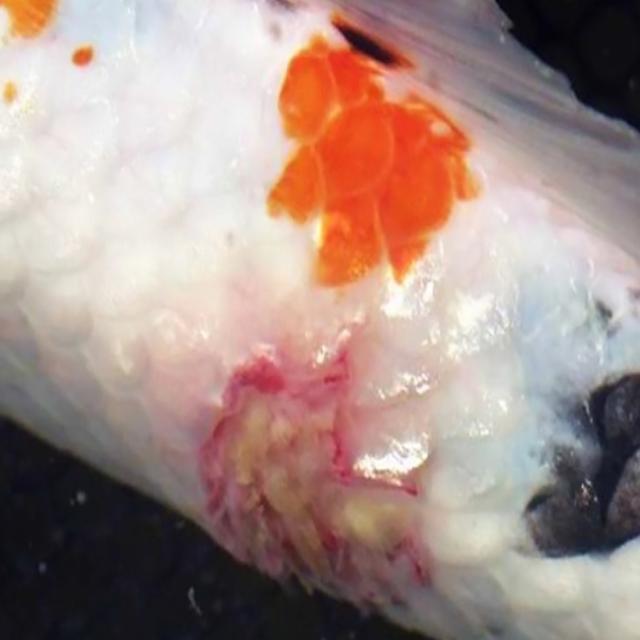
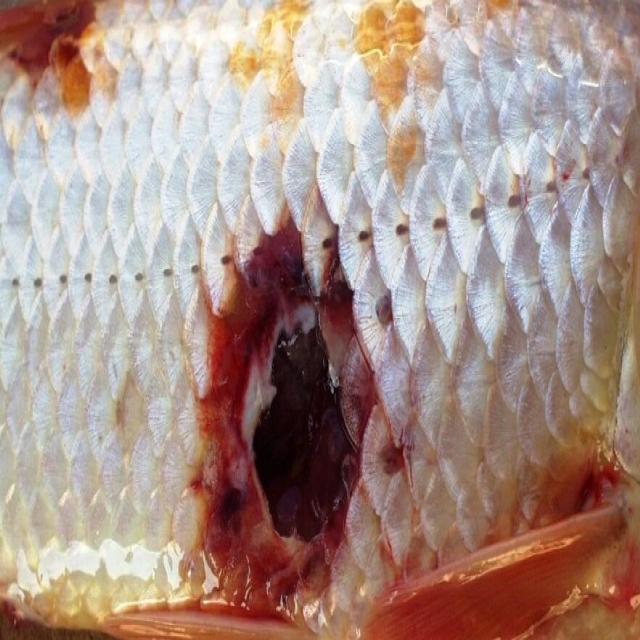
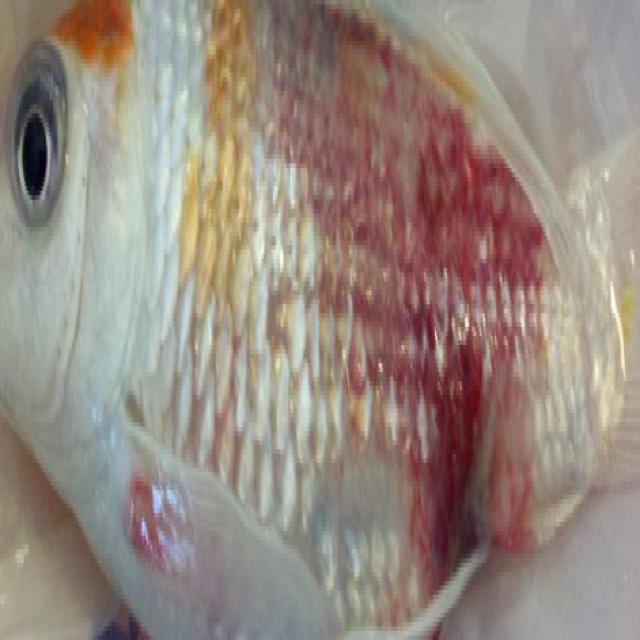
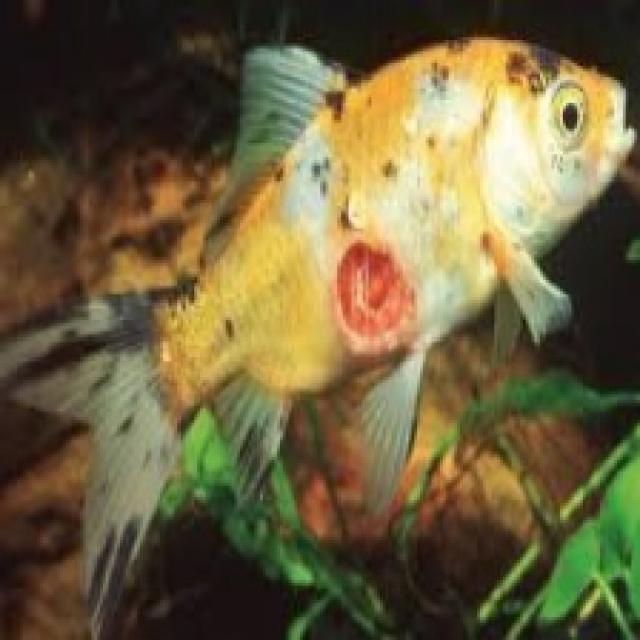
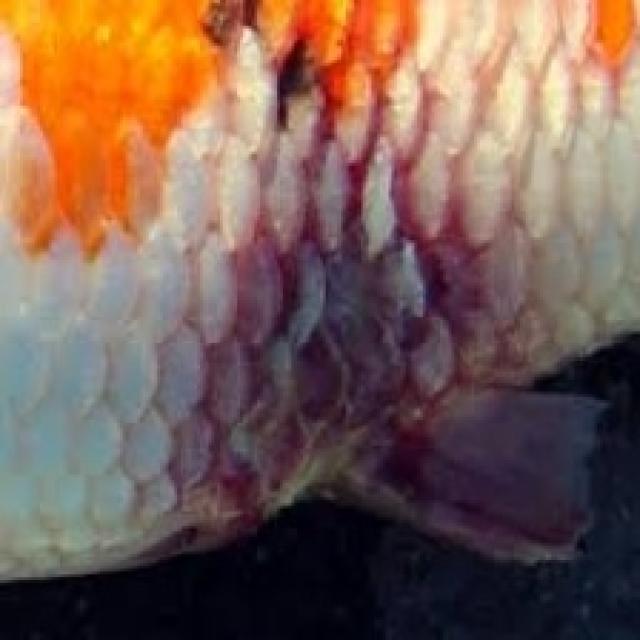
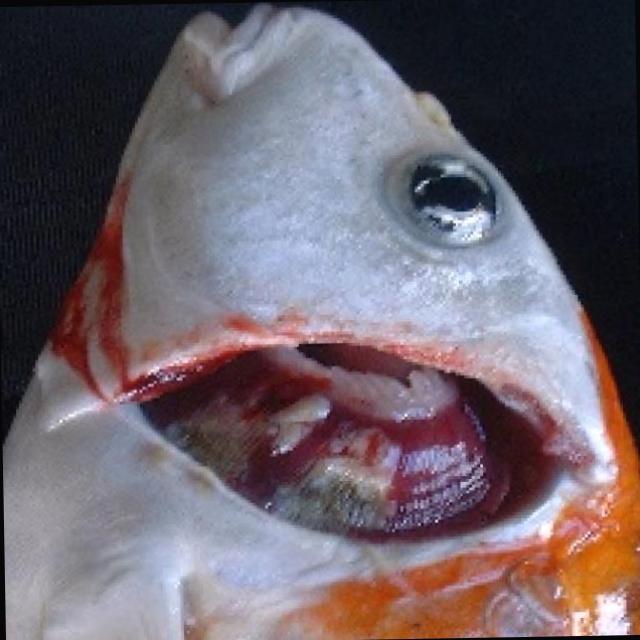
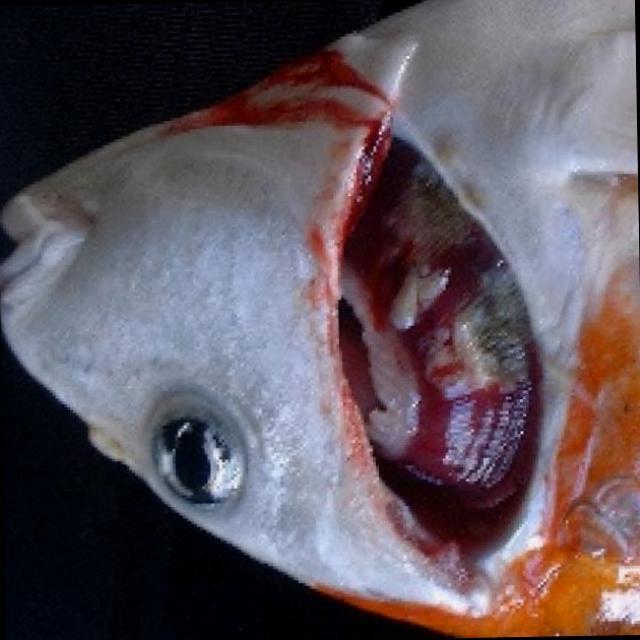
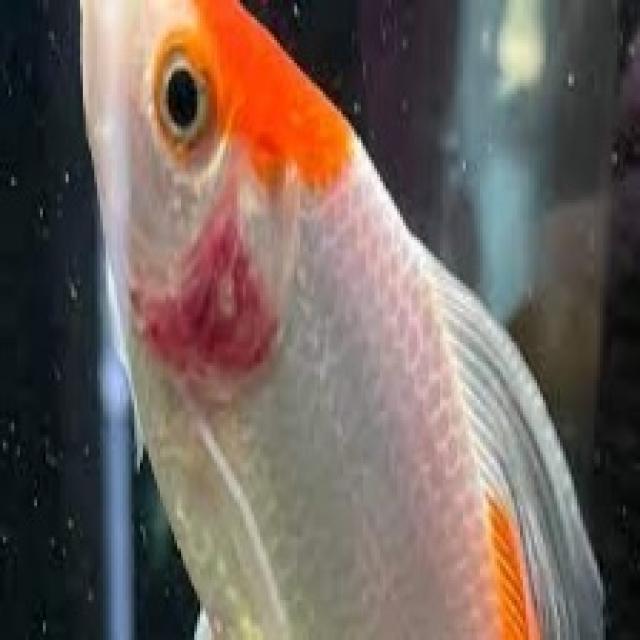
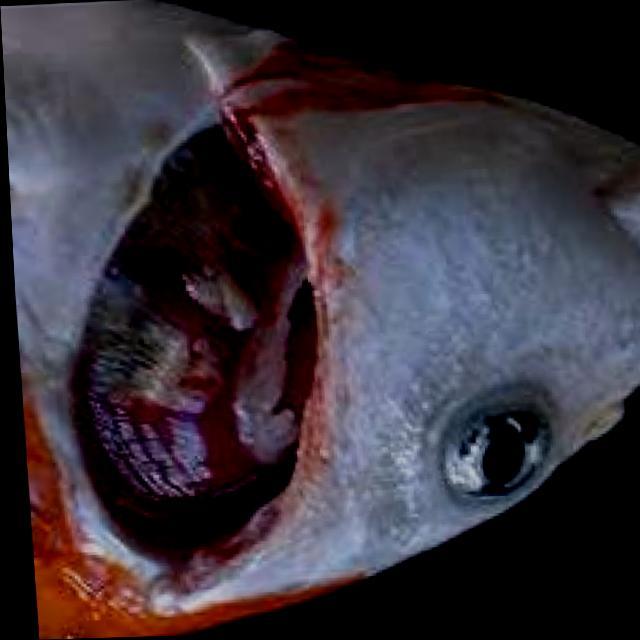
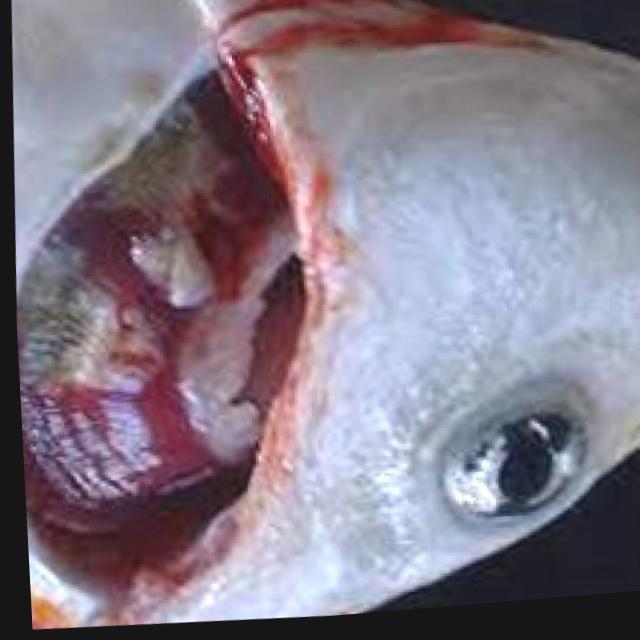
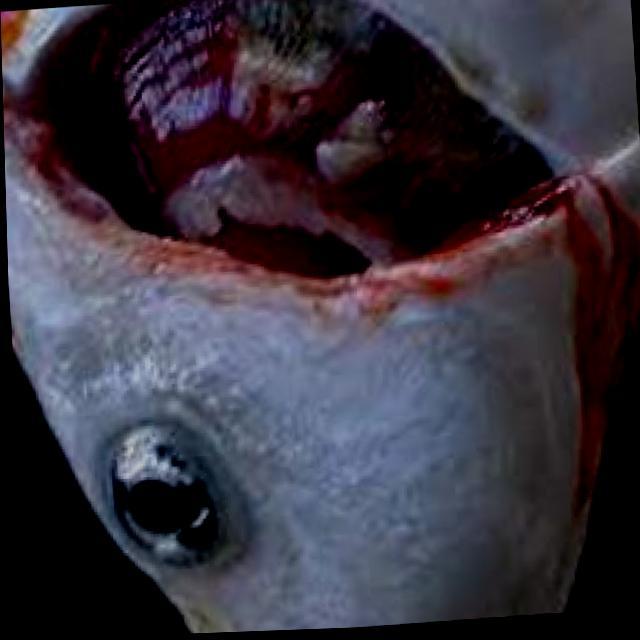
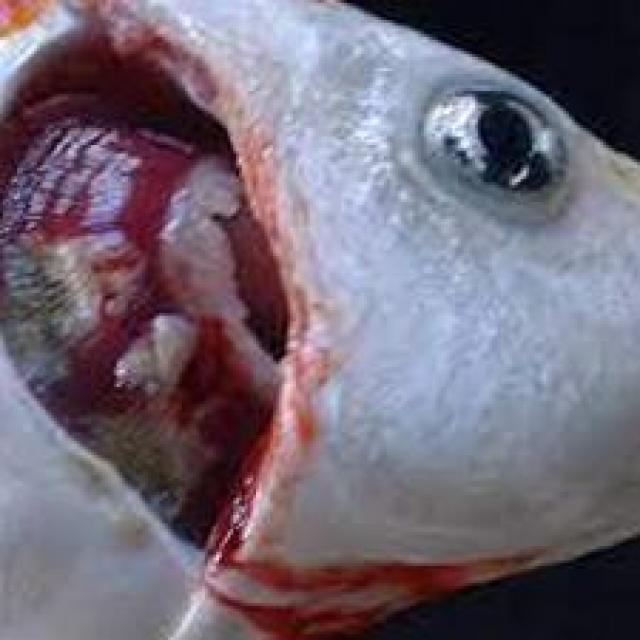
The photographic dataset below documents bacterial disease presentations across both koi (Cyprinus rubrofuscus) and goldfish (Carassius auratus), capturing a wide range of clinical signs including skin ulcers, fin necrosis, haemorrhagic lesions, and systemic dropsy. Images are sourced from the FishyFarmacy AI disease-detection training dataset.
Disease Image Gallery

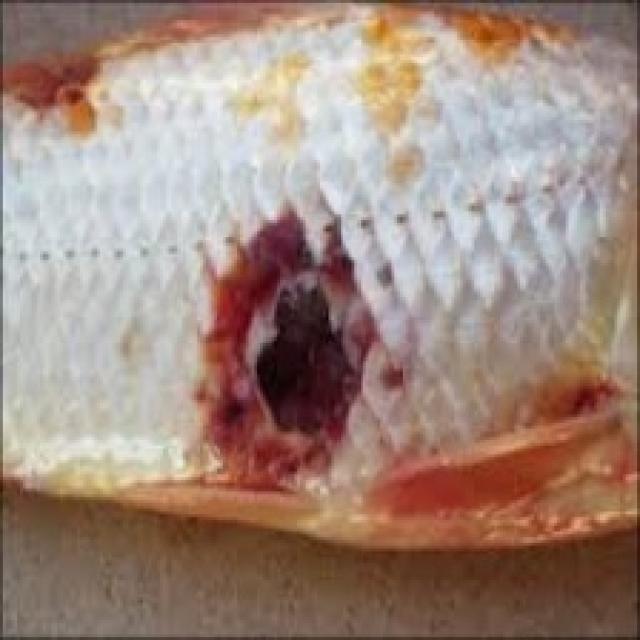
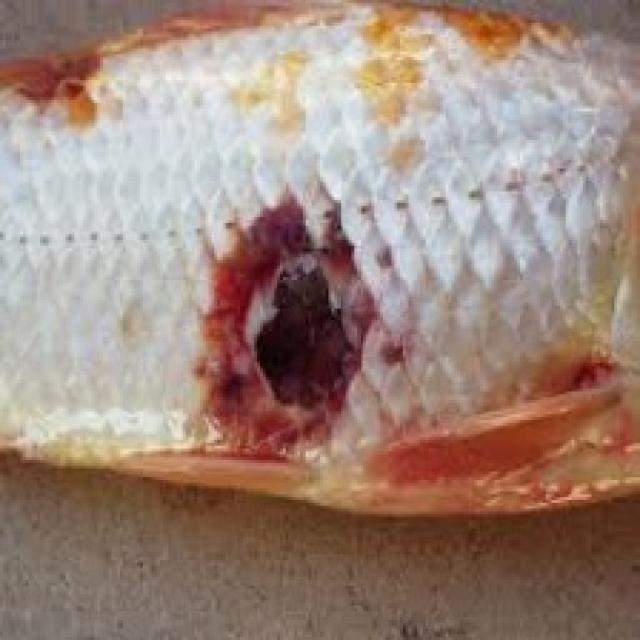
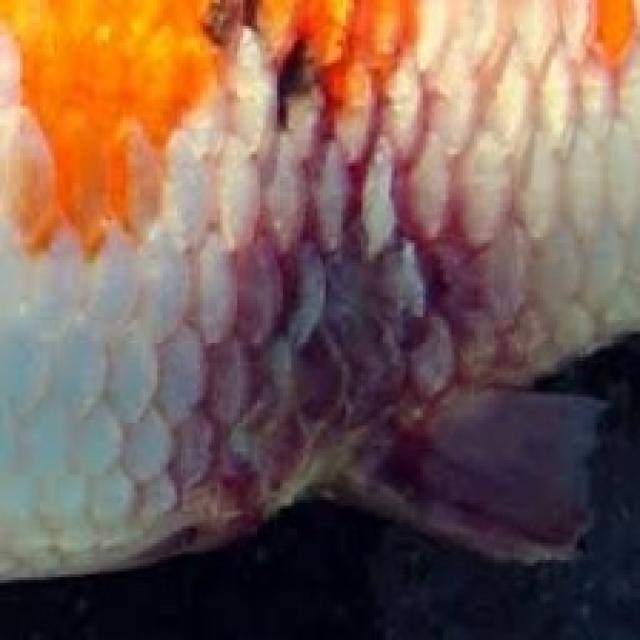
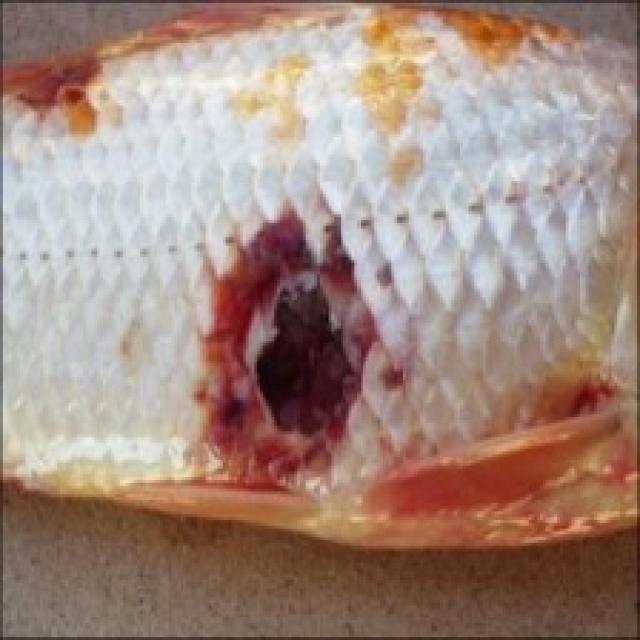


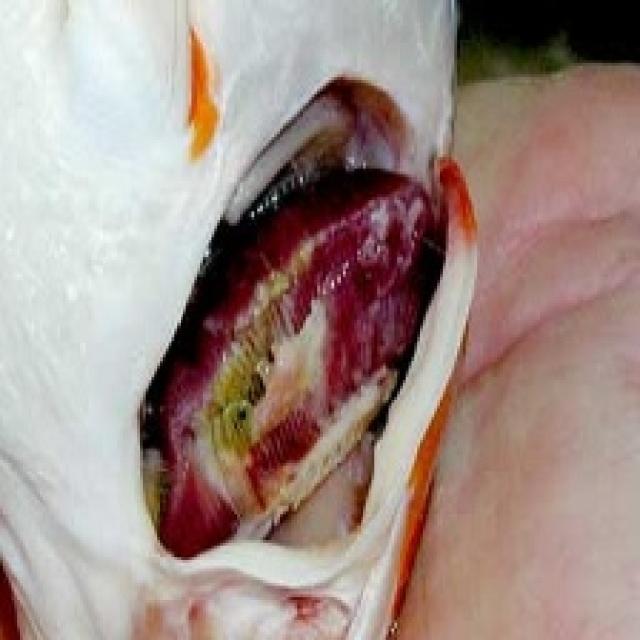
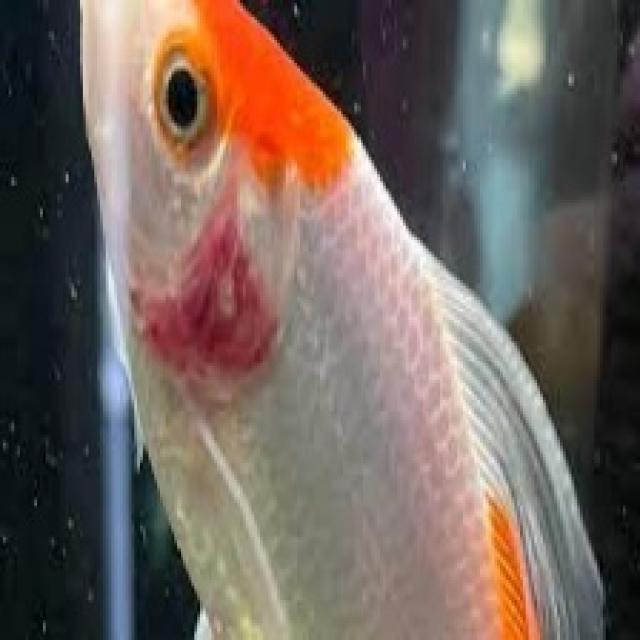
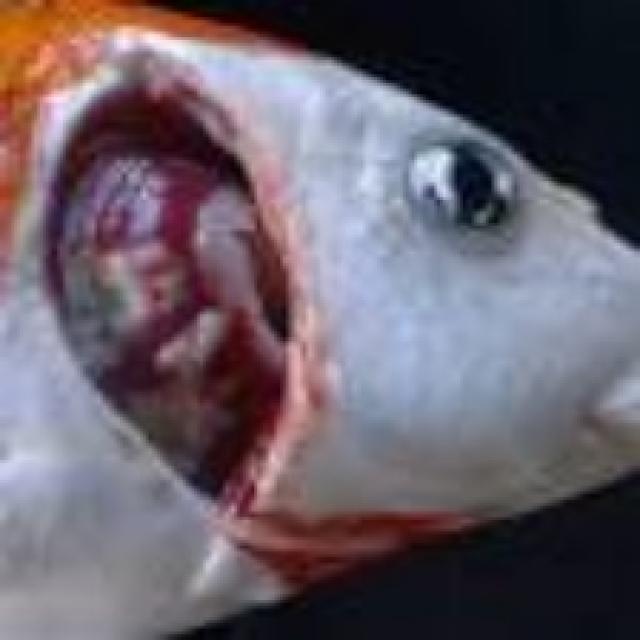
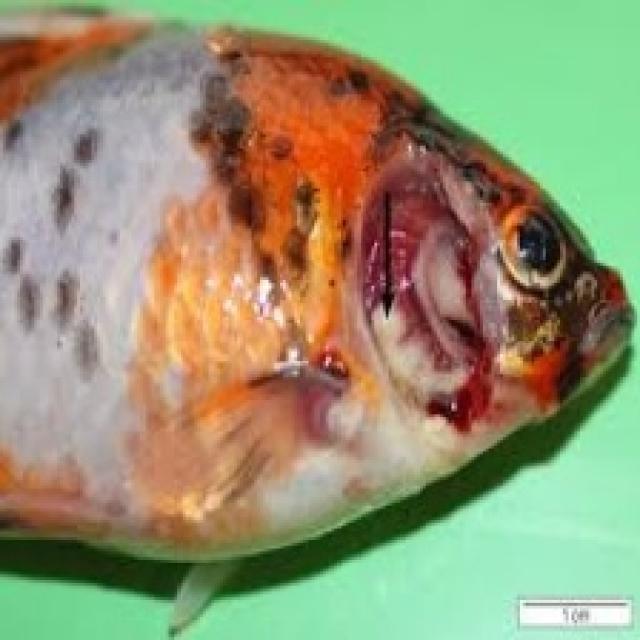
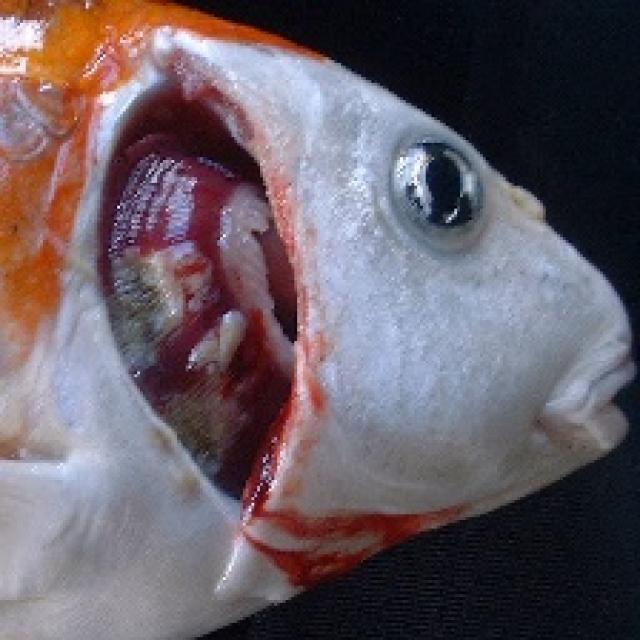
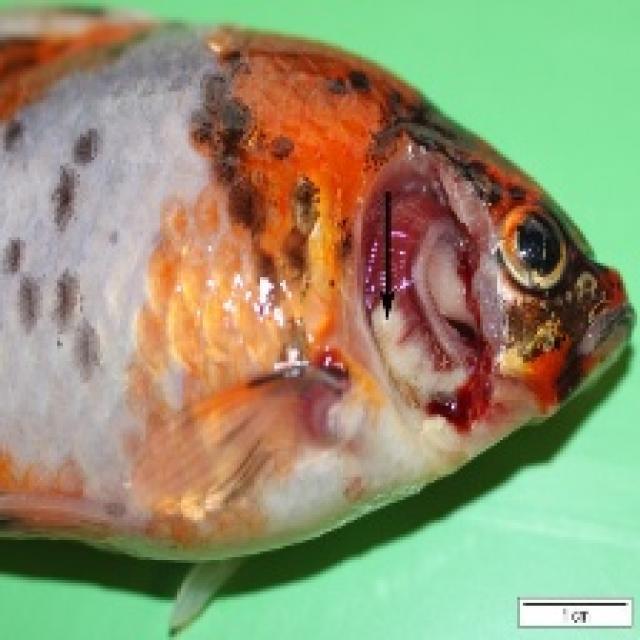
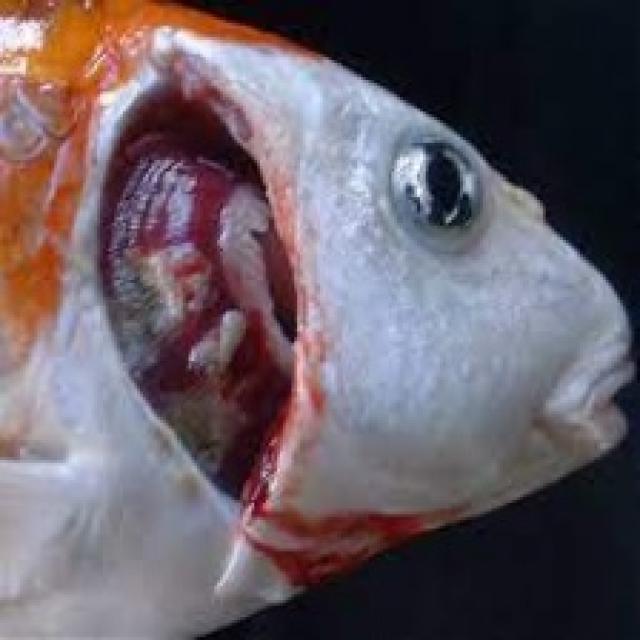
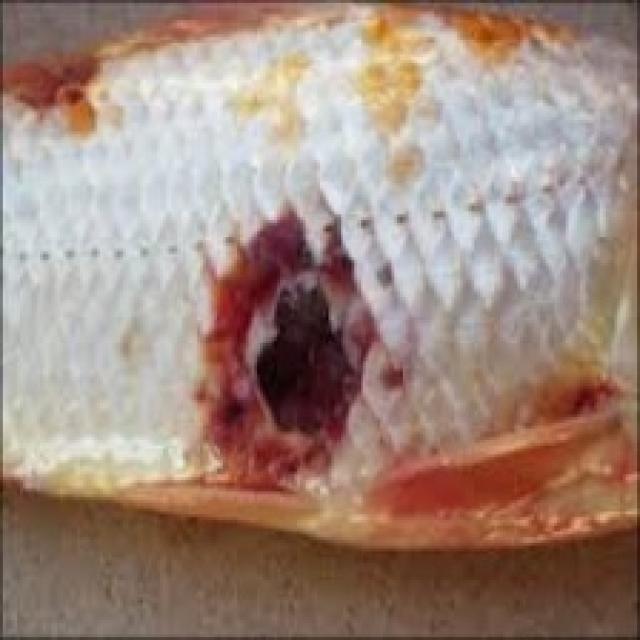




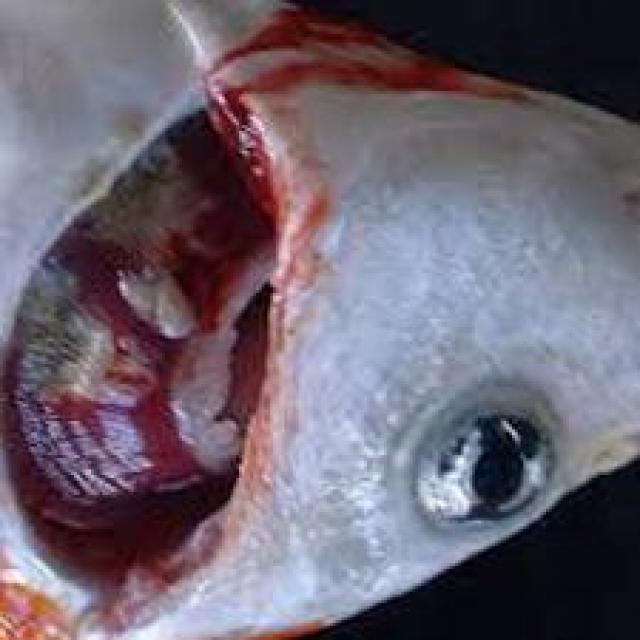
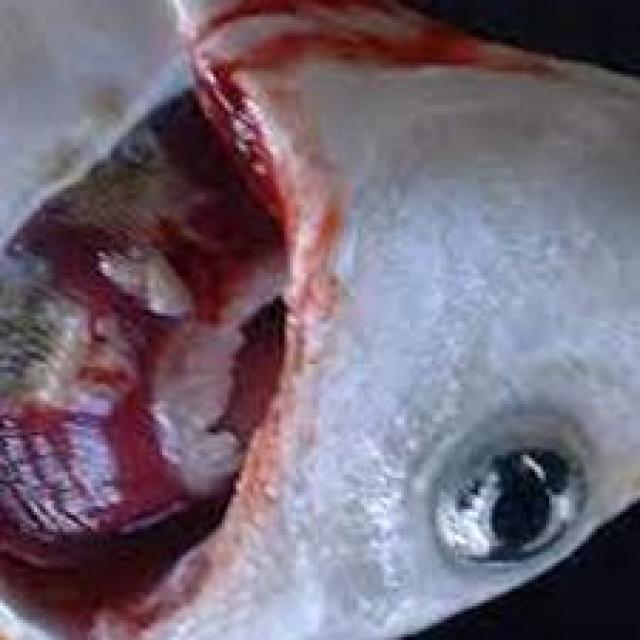
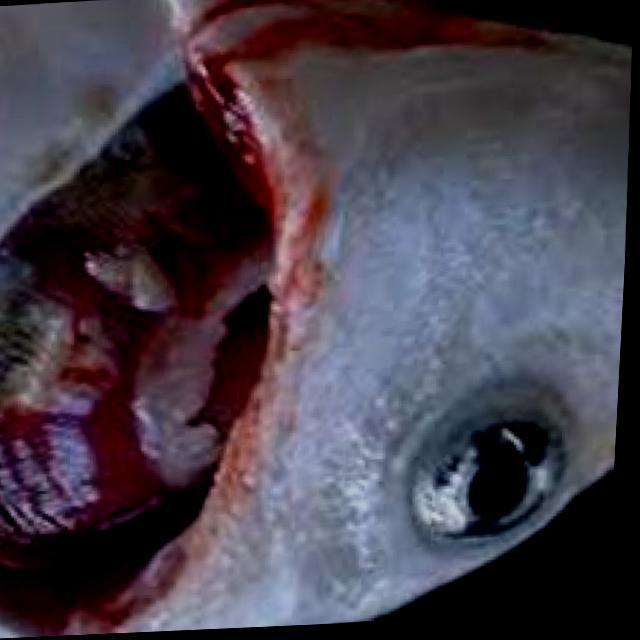
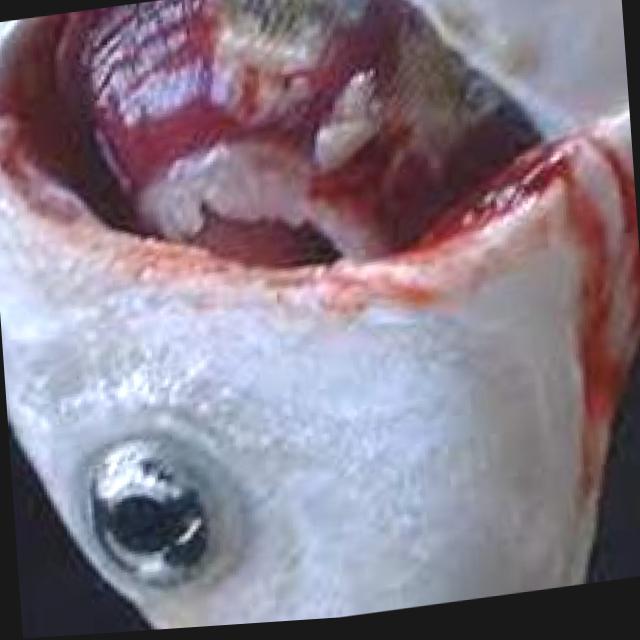
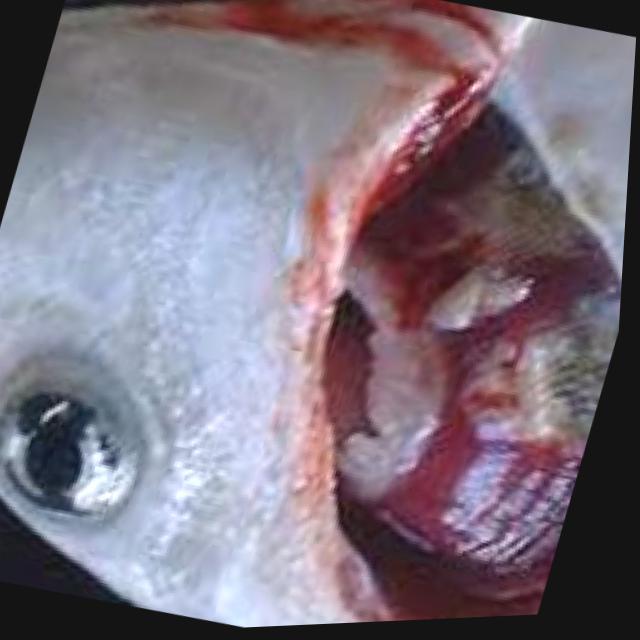
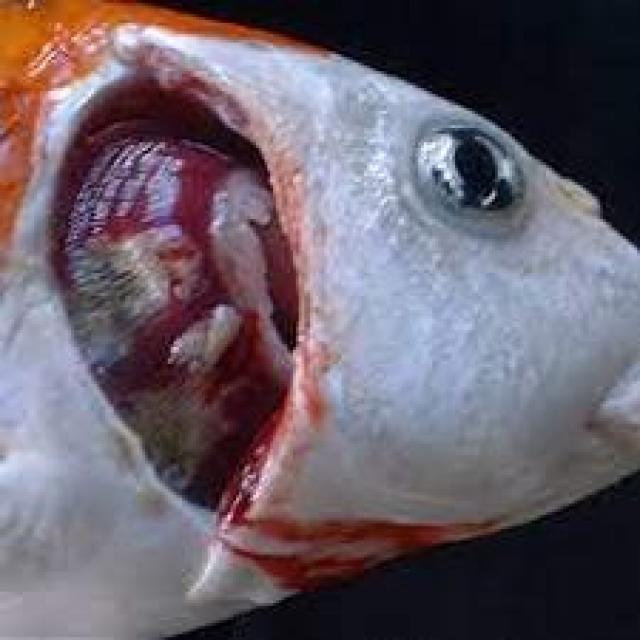
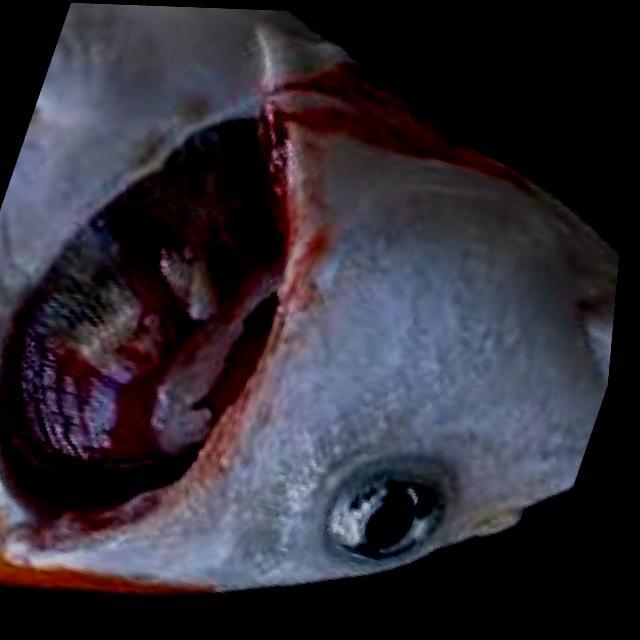
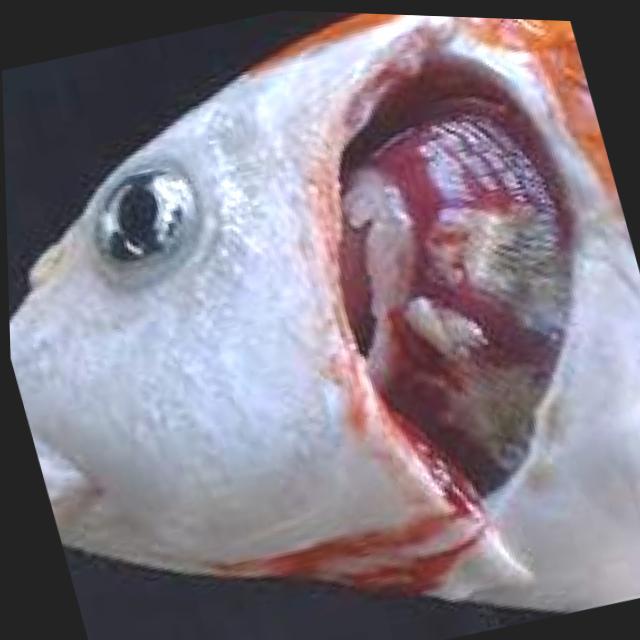
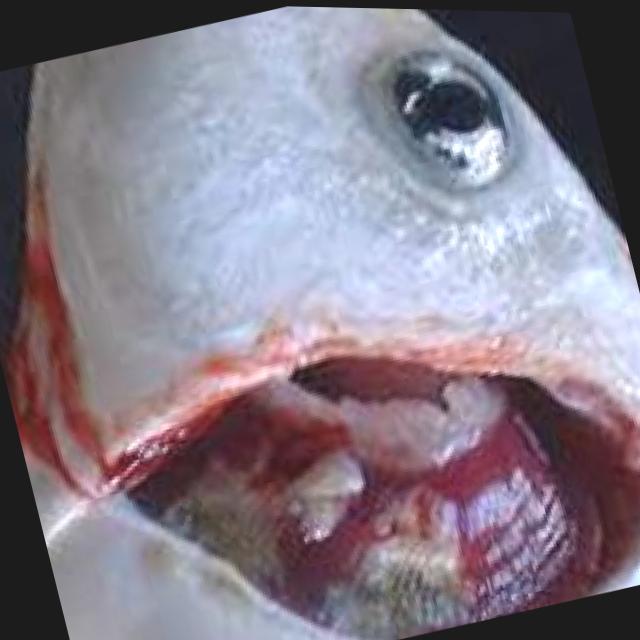
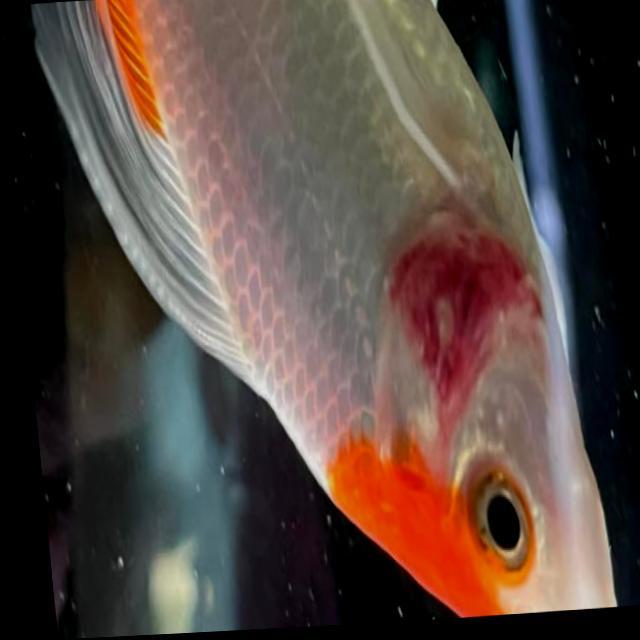
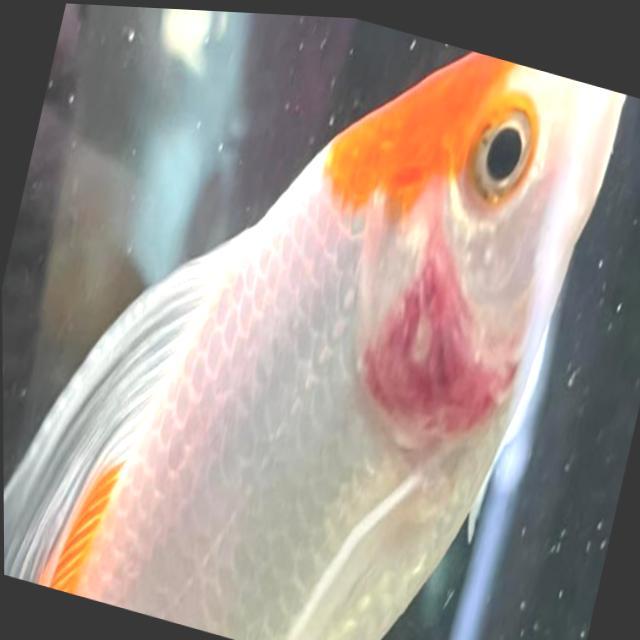
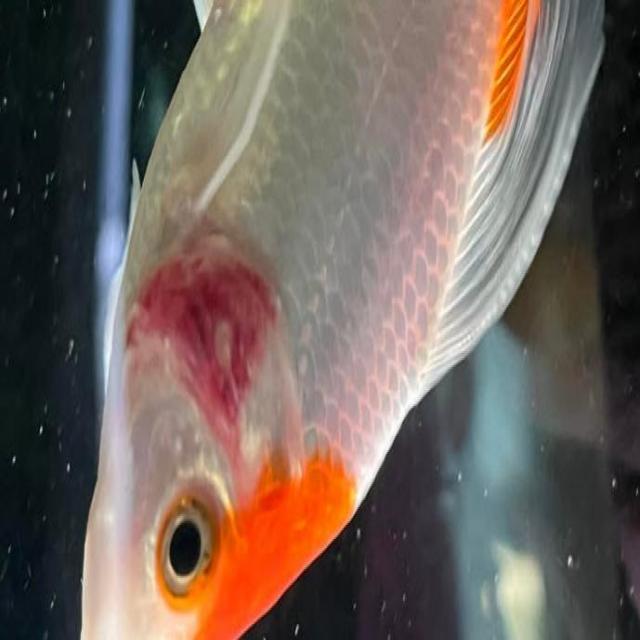
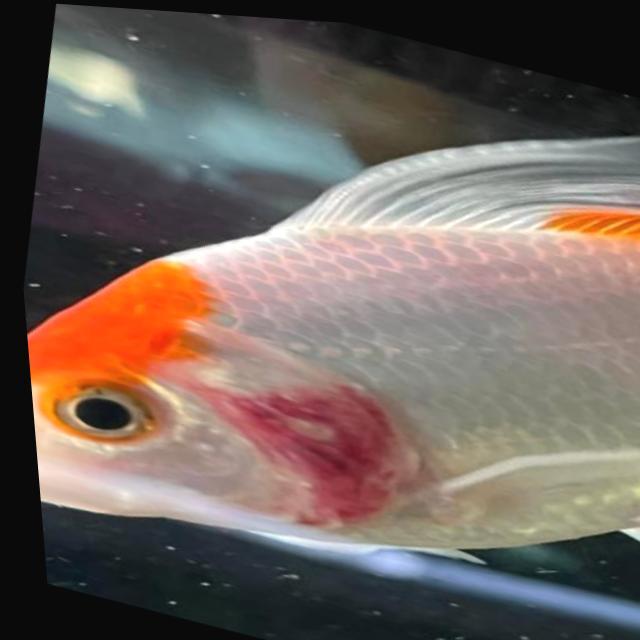
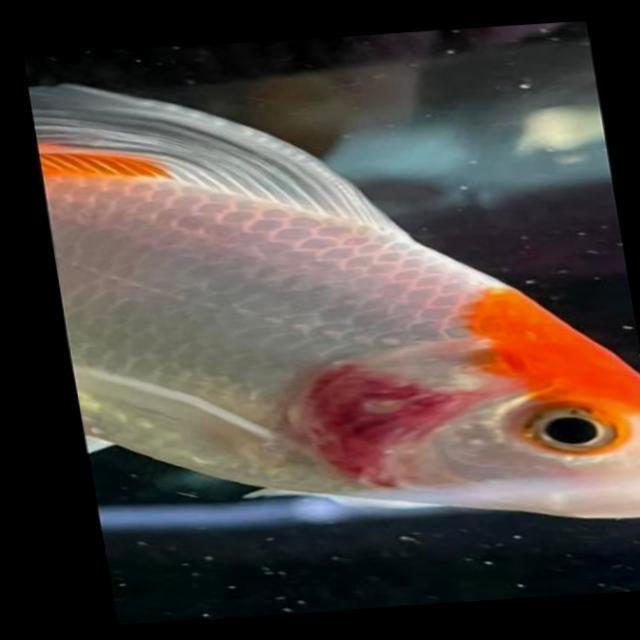
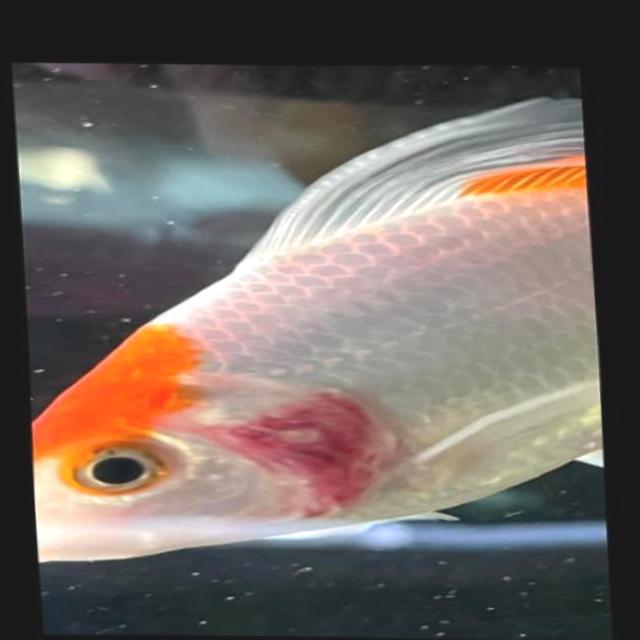
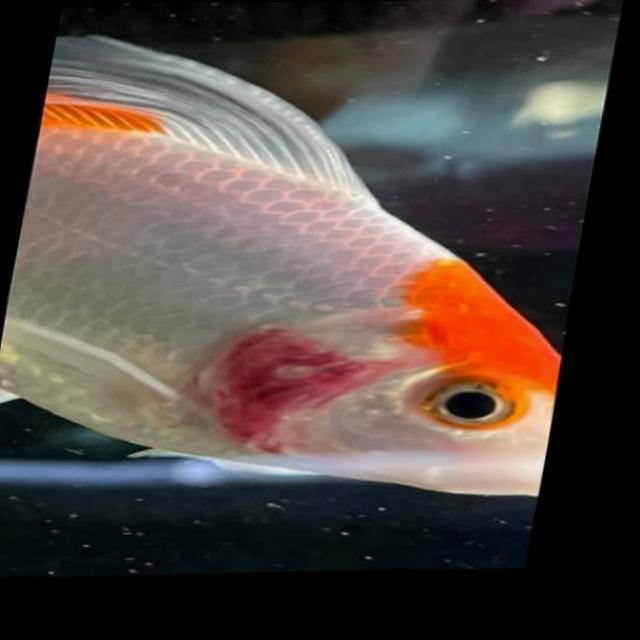
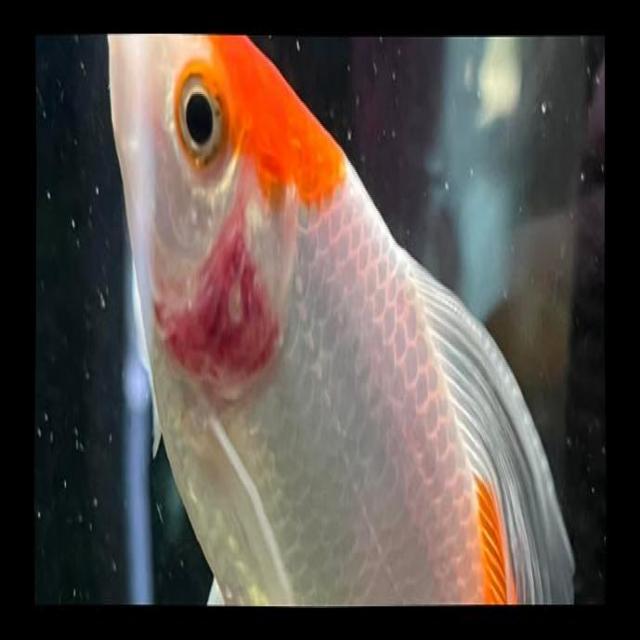
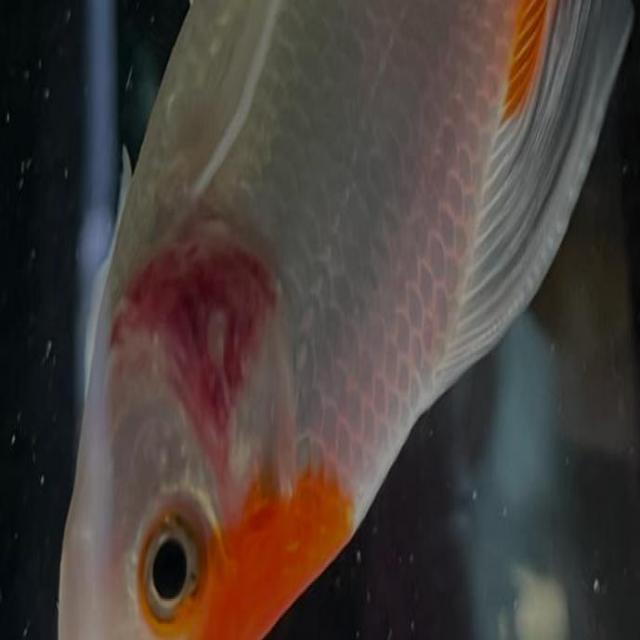
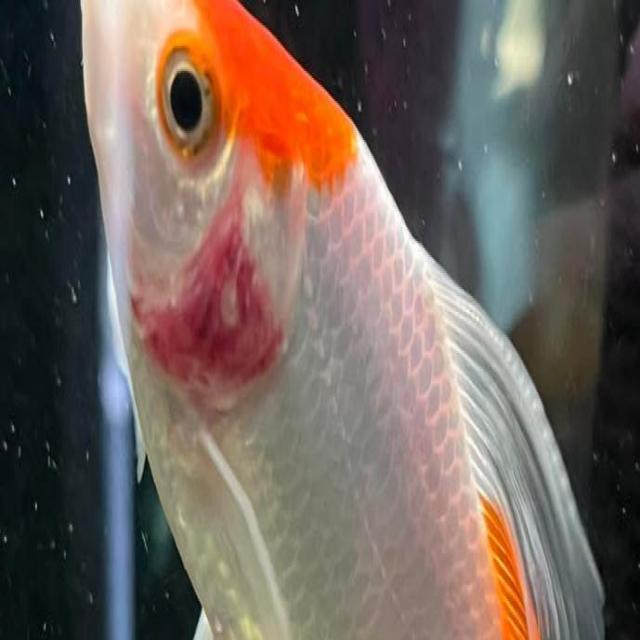
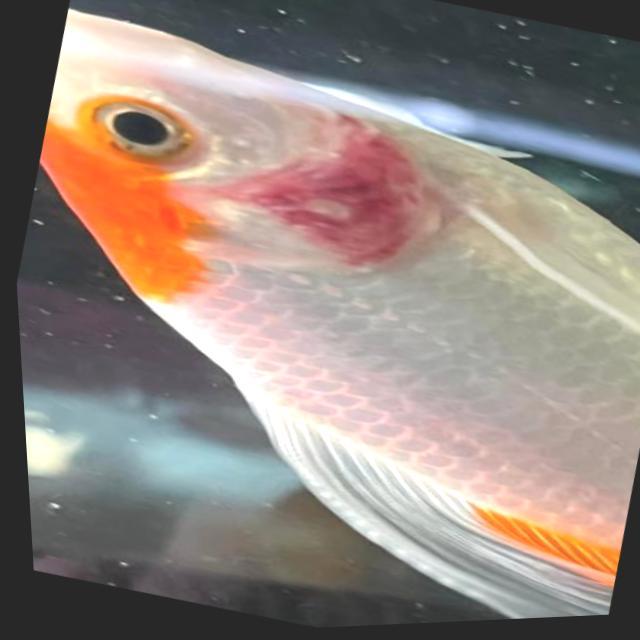
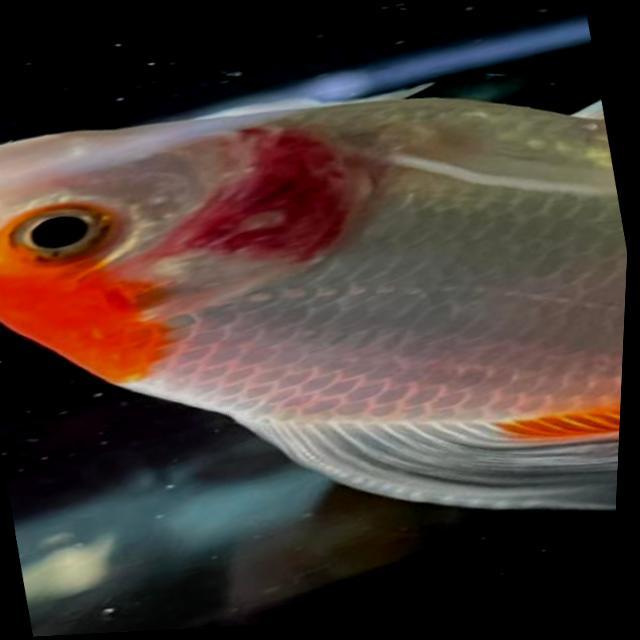
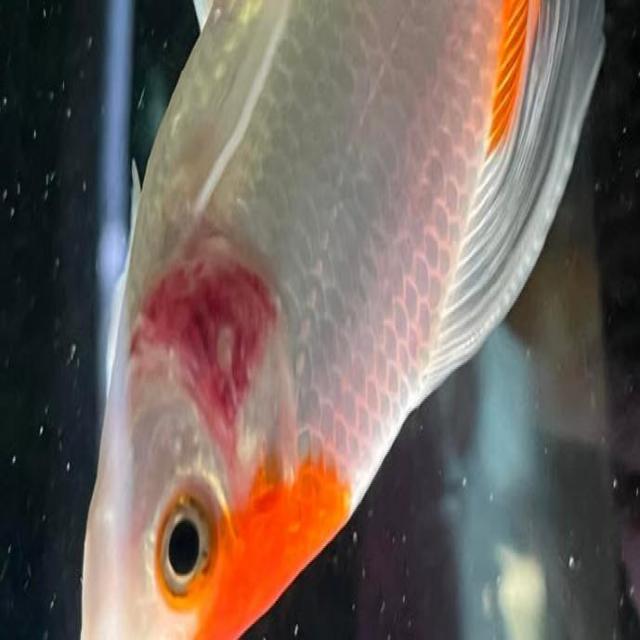
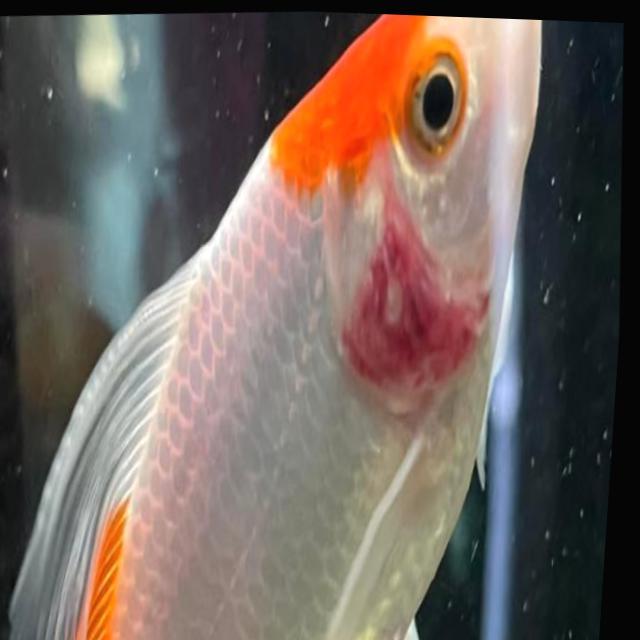
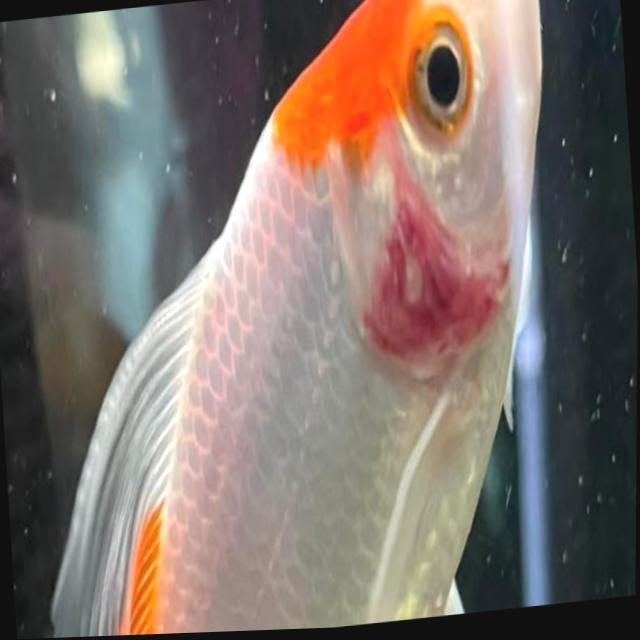
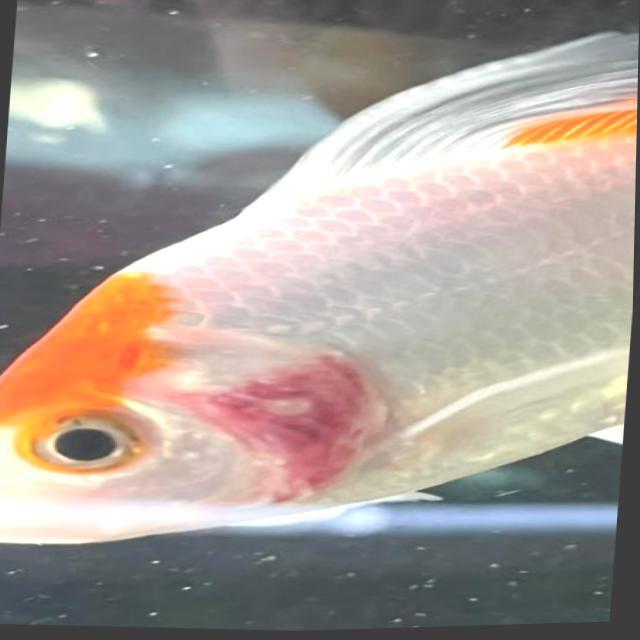

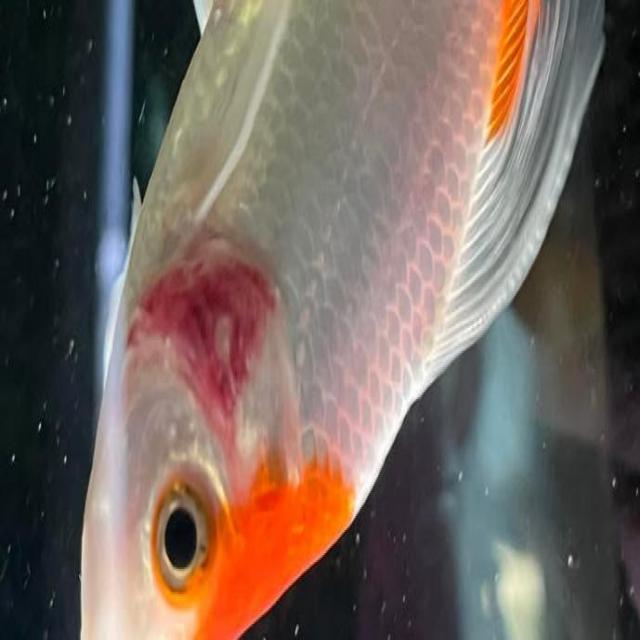
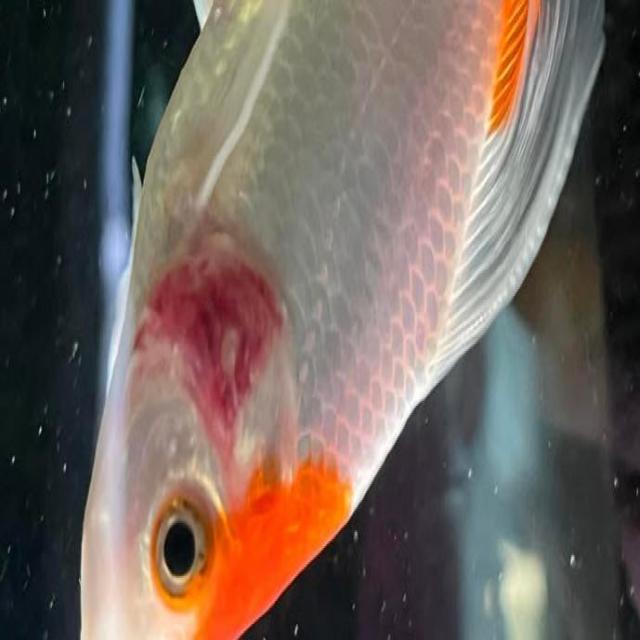
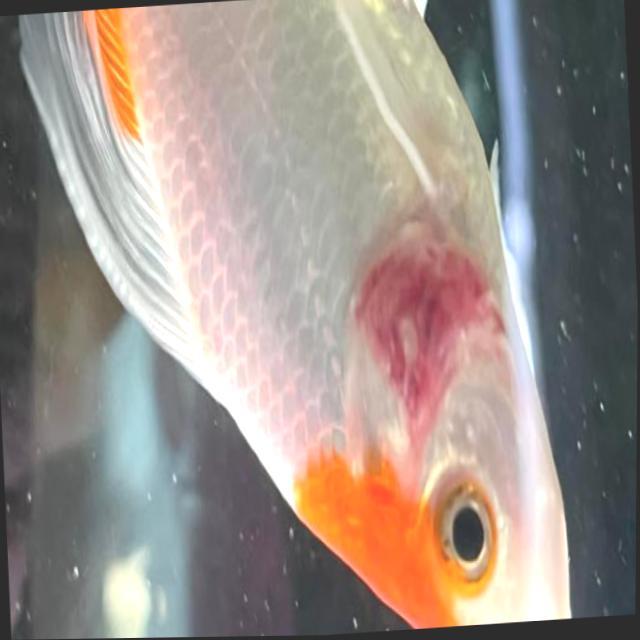
Showing 60 of 151 images in this dataset.
Causes
Bacterial diseases in koi and goldfish are most commonly caused by opportunistic gram-negative bacteria — primarily Aeromonas hydrophila, Pseudomonas fluorescens, and Flavobacterium columnare (Columnaris). These pathogens are naturally present in most pond and aquarium environments but only cause disease when fish are stressed or immunocompromised. Key predisposing factors include: poor water quality (high ammonia, nitrite, or nitrate), sudden temperature fluctuations, overcrowding, physical injuries from netting or handling, and nutritional deficiencies. Wound sites and damaged skin provide easy entry points for bacteria to establish systemic infection.
Treatment
1. Water quality correction: Perform a 25–30% water change immediately. Test and correct ammonia, nitrite, pH, and dissolved oxygen before any medication. 2. Salt therapy: Add 0.3–0.5% non-iodised salt (3–5 g/L) to reduce osmotic stress and inhibit bacterial growth in mild cases. 3. Antibacterial medications: Use broad-spectrum antibiotics such as oxytetracycline, potassium permanganate dip (10 mg/L for 30 min), or commercial formulations containing trichlorfon or malachite green for surface infections. 4. Wound treatment: For ulcers, clean with dilute iodine solution, apply antibacterial ointment (e.g., Orabase or Neosporin), and consider topical treatment with a swab of potassium permanganate directly on the wound. 5. Isolation: Move affected fish to a hospital tank to prevent spread and allow closer monitoring. Maintain stable temperature 22–26 °C.
Prevention
Maintain excellent water quality with regular testing and partial water changes (10–20% weekly). Avoid overstocking — a good rule of thumb is no more than 25 cm of fish per 1,000 L of water. Quarantine all new fish for a minimum of 4 weeks before introduction. Handle fish minimally and always use soft, wet nets to reduce scale and slime coat damage. Feed a high-quality, balanced diet to support immune function. Remove uneaten food promptly and ensure adequate biological filtration is in place.
Frequently Asked Questions
Can bacterial diseases spread from fish to humans?
Aeromonas species can occasionally cause skin infections in humans with open wounds who handle infected fish. Always wash hands thoroughly after handling sick fish and avoid contact if you have cuts or compromised immunity.
How quickly do bacterial diseases progress?
In acute cases, particularly with Aeromonas haemolytica or septicaemia, a fish can deteriorate from first visible symptoms to death within 24–72 hours. Columnaris infections affecting the gills can be fatal within hours in warm water. Early detection is critical.
Is it safe to use antibiotics in a pond?
Antibiotic use in ponds should be a last resort and avoided where possible due to risk of antibiotic resistance development and disruption of beneficial bacteria in the filter. A hospital tank is strongly preferred for antibiotic treatment.
Causes
Bacterial diseases in koi and goldfish are most commonly caused by opportunistic gram-negative bacteria — primarily Aeromonas hydrophila, Pseudomonas fluorescens, and Flavobacterium columnare (Columnaris). These pathogens are naturally present in most pond and aquarium environments but only cause disease when fish are stressed or immunocompromised. Key predisposing factors include: poor water quality (high ammonia, nitrite, or nitrate), sudden temperature fluctuations, overcrowding, physical injuries from netting or handling, and nutritional deficiencies. Wound sites and damaged skin provide easy entry points for bacteria to establish systemic infection.
Treatment
1. Water quality correction: Perform a 25–30% water change immediately. Test and correct ammonia, nitrite, pH, and dissolved oxygen before any medication. 2. Salt therapy: Add 0.3–0.5% non-iodised salt (3–5 g/L) to reduce osmotic stress and inhibit bacterial growth in mild cases. 3. Antibacterial medications: Use broad-spectrum antibiotics such as oxytetracycline, potassium permanganate dip (10 mg/L for 30 min), or commercial formulations containing trichlorfon or malachite green for surface infections. 4. Wound treatment: For ulcers, clean with dilute iodine solution, apply antibacterial ointment (e.g., Orabase or Neosporin), and consider topical treatment with a swab of potassium permanganate directly on the wound. 5. Isolation: Move affected fish to a hospital tank to prevent spread and allow closer monitoring. Maintain stable temperature 22–26 °C.
Prevention
Maintain excellent water quality with regular testing and partial water changes (10–20% weekly). Avoid overstocking — a good rule of thumb is no more than 25 cm of fish per 1,000 L of water. Quarantine all new fish for a minimum of 4 weeks before introduction. Handle fish minimally and always use soft, wet nets to reduce scale and slime coat damage. Feed a high-quality, balanced diet to support immune function. Remove uneaten food promptly and ensure adequate biological filtration is in place.