
DFO Hatcheries Adopt Ultrasound to Advance Salmon Broodstock Collection
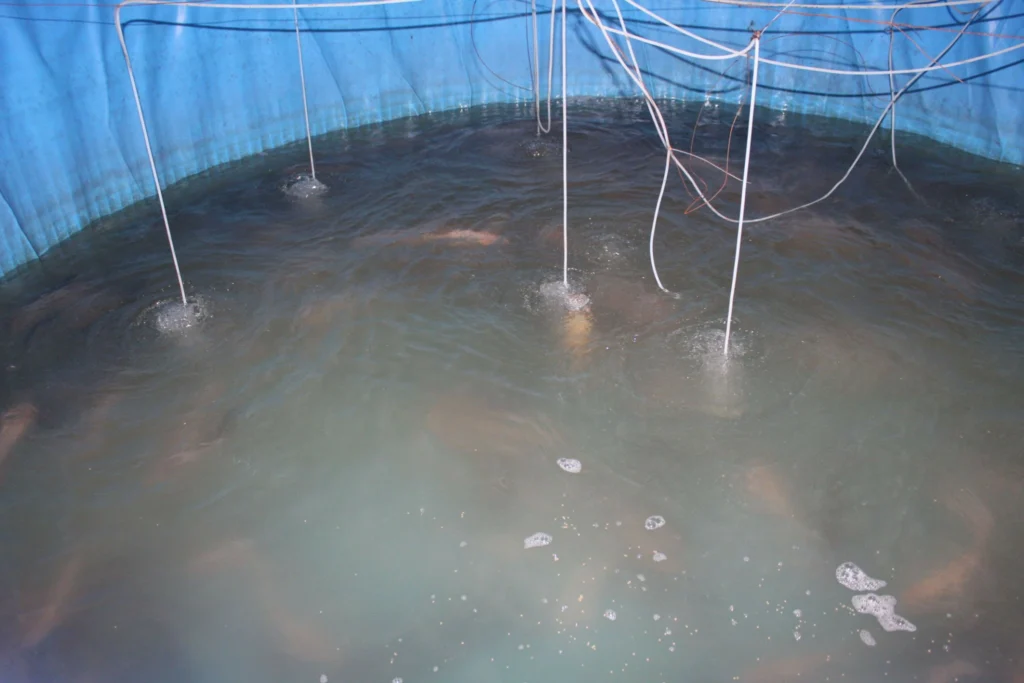
At the Quesnel River Research Centre, fisheries technicians are now using portable ultrasound devices to evaluate salmon maturity and gather broodstock with unprecedented precision. The technique, long a staple of medical diagnostics, is being adapted for fisheries management by the Department of Fisheries and Oceans (DFO) to improve the effectiveness of hatchery operations across British Columbia.
By capturing real-time images of internal reproductive organs, staff can determine the sex and maturity stage of live fish without the need for invasive sampling or guesswork. This shift toward imaging technology marks a significant step in modernizing the way wild and hatchery salmon are handled during critical collection periods.
Non‑invasive Assessment of Salmon Maturity
Hatchery crews typically rely on external physical characteristics to judge spawning readiness, a method that carries inherent uncertainty and can lead to stress or injury when fish are repeatedly handled. Ultrasound removes much of that ambiguity by allowing operators to see ovaries or testes directly, confirming whether a female is ripe and ready to release eggs or if a male is producing viable milt.
The equipment is compact and field‑ready, often resembling a waterproof laptop or tablet connected to a wand. A small amount of ultrasound gel is applied, the wand is gently placed against the fish’s belly, and within seconds a grayscale image appears. Experienced technicians can interpret these images on the spot, reducing the time each salmon spends out of water.
Enhancing Broodstock Quality and Genetic Diversity
Selecting the right individuals for spawning is fundamental to maintaining healthy, resilient salmon populations. Ultrasound enables hatchery managers to identify the most fecund females and assess the condition of their egg mass, ensuring only the highest‑quality broodstock contribute to the next generation.
Additionally, the technology supports more rigorous genetic management protocols. By confirming sex with certainty, staff avoid accidental pairings of same‑sex fish and can precisely control crosses that preserve genetic variability. Over time, this data‑driven approach helps hatcheries produce offspring better equipped to survive in the wild, a primary goal of DFO’s Salmonid Enhancement Program.
Operational Efficiency and Fish Welfare Gains
Traditional methods of ripeness checks often involve manual “candling” or repeated netting, which elevate stress hormones and can lead to scale loss or fin damage. Ultrasound dramatically cuts the number of physical interactions, as a single brief scan can replace multiple handling events. Lower stress translates directly into better egg quality and higher fertilization rates.
From a logistics perspective, the time savings are substantial. Crews can quickly triage incoming fish, releasing those not yet ripe back into holding areas without prolonged sorting. This streamlined workflow is especially valuable during peak migration windows, when thousands of salmon may arrive at a hatchery over a few weeks. Reduced labour, fewer anaesthetic exposures, and minimal fish mortalities all contribute to a more sustainable operation.
Integration into Standard Protocol and Staff Training
DFO has invested in training hatchery personnel at the Quesnel River Research Centre and other sites to interpret sonograms reliably. Courses cover basic ultrasound physics, anatomy of salmonid reproductive tracts, and hands‑on practice with live fish. The goal is to build a network of in‑house experts who can support adoption across all major hatcheries in the region.
Initial feedback from technicians is positive. Many report that the learning curve is manageable and that ultrasound becomes an indispensable tool once mastered. As confidence grows, the agency plans to incorporate scans into routine broodstock assessments and even explore applications such as detecting ovarian fluid quality or identifying early signs of disease. Broader implications extend beyond hatchery walls: the non‑invasive data collected could inform fishery managers about the health and condition of wild stocks intercepted at counting fences or fishways, creating a more integrated picture of salmon populations.
Why This Matters
The adoption of ultrasound in salmon hatcheries represents a leap from imprecise handling to evidence‑based broodstock selection. It reduces stress and mortality, strengthens genetic conservation, and equips hatcheries with high‑fidelity data that can ultimately guide wild stock management—a model of how biomedical tools can advance aquaculture sustainability.
FAQ
Why are DFO hatcheries switching to ultrasound for broodstock collection?
Ultrasound provides a clear, real‑time image of a salmon’s reproductive organs, removing the guesswork from maturity assessment. This precision allows hatchery staff to select only fully ripe fish, improving egg and milt quality while minimizing repeated handling and stress. The shift supports both operational efficiency and broader genetic management goals.
How does ultrasound improve salmon welfare during hatchery operations?
Traditional ripeness checks often require repeated netting, candling, or physical pressure on the abdomen, causing stress and potential injury. A single ultrasound scan takes seconds and yields definitive information, meaning less time out of water, reduced physical contact, and fewer opportunities for scale loss or fin damage. Lower stress levels also correlate with higher fertilization success.
What specific information can ultrasound reveal about salmon?
The scanning device can identify the sex of a fish and determine whether a female is gravid, showing the size, density, and distribution of eggs within the ovaries. In males, it can confirm the presence of developed milt. Trained technicians can also detect abnormalities such as fluid build‑up or underdeveloped gonads, which may rule a fish out of the spawning group.
Are there any limitations to using ultrasound in hatcheries?
Ultrasound requires initial investment in equipment and staff training, as sonogram interpretation is a learned skill. The technology may be less effective on very small or thin‑bodied fish, and its accuracy can be influenced by water temperature or fish movement. However, for adult Pacific salmon, these limitations are minor compared to the gains in accuracy and welfare.
Sources
Source: Hatchery International